From the journal
Hotel Trends: Historic Fires, Salt Lake City Growth, Fashion Week Stays & Who Pays After a Canceled Flight
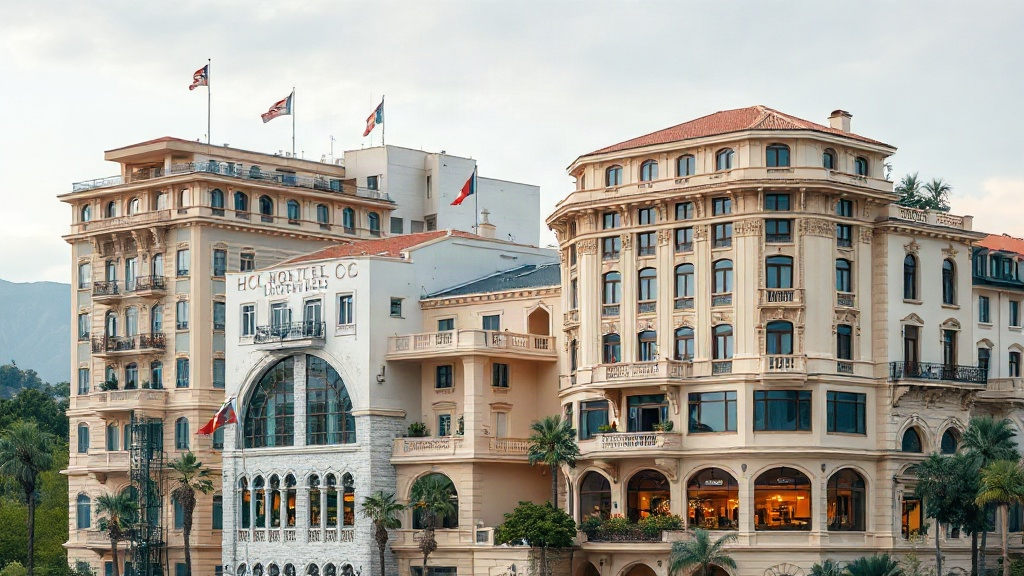
Hotels sit at the crossroads of travel, culture, and local history, and recent headlines show just how many directions the industry is pulling in. A historic Colorado property damaged by fire, a standout performance for Mountain West lodging, the buzz around Fashion Week stays, and the perennial question of who pays for a hotel after a canceled flight all point to the same conclusion: where you sleep shapes the whole trip.
Historic Hotels and the Weight of Preservation
News that a 123-year-old former hotel in Colorado was damaged by fire is a reminder of how fragile heritage buildings can be. Older properties often combine original timber framing, aging wiring, and layouts that predate modern fire codes. Even when they no longer operate as hotels, they remain anchors of local identity.
For travelers, historic hotels offer something new builds can't: character, stories, and a genuine sense of place. For owners and communities, they bring serious responsibilities, including sprinkler retrofits, regular electrical inspections, and vacancy management plans for buildings that are between uses. When a landmark is hurt, the loss is rarely just financial.
Mountain West Momentum and the Salt Lake City Story
On the performance side, industry analysts have been highlighting Salt Lake City as a standout in a generally strong stretch for Mountain West hotels. The region benefits from a rare mix of demand drivers: outdoor recreation, ski season, business travel, conventions, and a growing reputation as a year-round destination.
That diversity matters. Markets that depend on a single season or a single type of guest tend to swing sharply, while cities with several demand engines hold up better. Salt Lake City's proximity to world-class slopes, national parks, and a busy airport hub gives hotels multiple ways to fill rooms, and it helps explain why the city has stood apart from its neighbors.
For travelers, strong demand often means higher rates during peak periods. Booking early for ski weekends and major events, or choosing midweek stays, can offset the pressure.
Fashion Week and the Hotel as Destination
Hotels are also part of the cultural conversation. Editors and style-watchers regularly publish their picks for the best places to stay during Fashion Week, and the criteria go well beyond thread count. Location near venues, a lobby bar with good people-watching, quick room service, and a design aesthetic that photographs well all matter.
This trend reflects a wider shift. Many guests now choose a hotel for the experience it promises, whether that is a rooftop scene, a boutique design story, or a neighborhood feel, rather than treating it as a place to drop their bags. Hoteliers have responded with curated art programs, destination restaurants, and event partnerships that turn a stay into part of the itinerary.
Flight Canceled? Who Pays for the Hotel?
The practical side of hotel travel comes into focus when a flight is canceled. In the United States, airlines must generally offer a refund if they cancel a flight and you choose not to travel, but they are not federally required to cover meals or hotel rooms for disruptions within their control. Many carriers do publish their own commitments, though, and some will provide vouchers or discounted hotel rates.
A few steps can protect you:
- Check the airline's customer service commitments before you pay out of pocket. The U.S. Department of Transportation maintains a dashboard comparing what major airlines promise. - Ask politely and early. Gate agents and airline apps can often rebook you or issue a voucher faster than a phone line can. - Keep every receipt. Even if the airline declines, documentation helps with claims. - Review your credit card benefits. Many travel cards include trip delay or interruption coverage that reimburses hotels and meals. - Consider travel insurance for itineraries with tight connections or winter weather risk.
Outside the U.S., rules can be more generous. European regulations, for example, require airlines to provide care such as meals and accommodation in many cancellation situations.
What Travelers Can Take Away
The common thread is that hotels are more than a line item in a travel budget. They carry history, drive local economies, shape cultural moments, and serve as a safety net when plans fall apart. Smart travelers book with flexibility, read cancellation terms carefully, and pay attention to what makes a property worth choosing in the first place. Whether the draw is a century-old landmark, a thriving mountain city, or a stylish base for a week of runway shows, the right hotel can define the trip.