From the journal
Island Life, Investment, and Ecology: From Remote Moves to Billionaire Interest and Bee Biodiversity
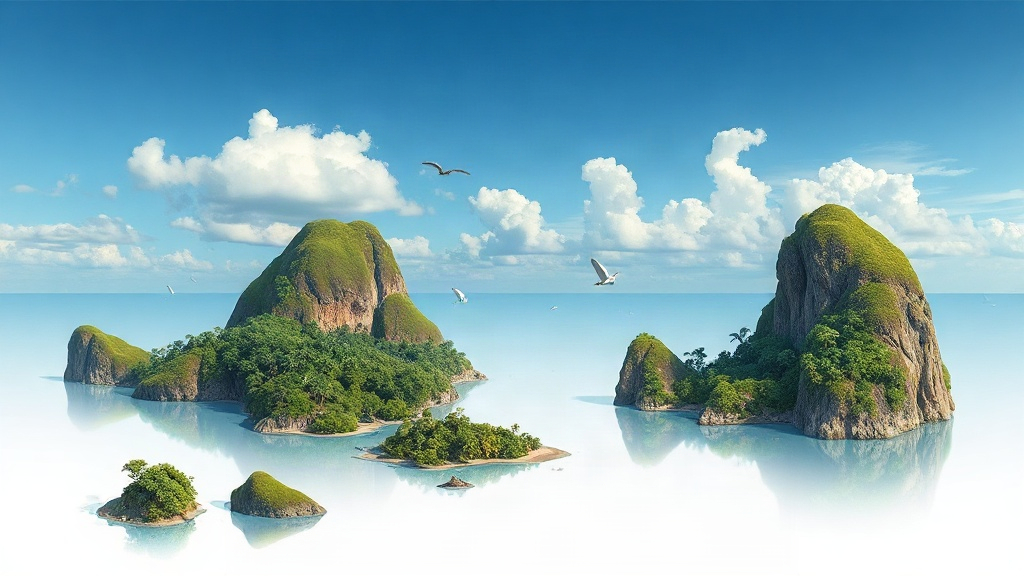
Islands have always held a special grip on the imagination. They are escape hatches, laboratories, and dream destinations all at once. Right now, three very different stories show how many roles these small pieces of land play in modern life: a personal reinvention story, a billionaire's reported interest in Philippine real estate, and new scientific research on island bees.
The pull of the remote island
A recent CNN feature follows a woman who moved to a remote Atlantic island she had only ever seen on YouTube. The premise captures something about the current moment. Video platforms have made even the most isolated communities visible, and for some viewers a few minutes of footage turns into a serious plan to uproot their lives.
The appeal is easy to understand. Remote islands promise slower rhythms, tight-knit communities, and landscapes that feel untouched. The reality is more demanding. Supply ships may arrive only occasionally, healthcare can be limited, and internet connections may be patchy. Anyone considering the leap should treat the dream as a logistics project:
- Research visa, residency, and land-ownership rules well in advance. - Check how groceries, medicine, and building materials reach the island. - Spend an extended trial period there before committing. - Plan for the social side. In a tiny community, everyone knows everyone.
Private development and island futures
Another headline making the rounds comes from the South China Morning Post, which reports that Elon Musk is quietly developing "one or two" Philippine islands, according to Manila's envoy. Details remain thin, and the claim should be read as a diplomatic remark rather than a confirmed project plan.
Still, it highlights a wider trend. Islands, particularly in Southeast Asia and the Pacific, attract investors drawn by tourism potential, strategic location, and the chance to build something from scratch. For host countries, that interest brings both opportunity and responsibility. Investment can mean jobs and infrastructure, but it also raises questions about:
- Environmental protection: Coral reefs, mangroves, and coastal forests are easily damaged by poorly planned construction. - Local rights: Fishing communities and indigenous groups often depend on the shoreline and surrounding waters. - Ownership rules: Many countries restrict foreign land ownership, so deals tend to run through leases or local partnerships.
Whatever the final details turn out to be, the story is a reminder that islands are not blank canvases. They are living ecosystems and homes.
Why island bees matter
Science offers a quieter but equally important island story. A study published in Nature examines global patterns and drivers of bee richness and endemism on islands, which means how many bee species live there and how many exist nowhere else on Earth.
Islands have long been central to biology because isolation drives evolution. Species that arrive on a remote landmass can diversify into forms found nowhere else. Bees are a key piece of that puzzle, since they pollinate native plants and support entire food webs. Research like this helps answer several practical questions:
- Which islands act as hotspots for unique pollinators? - How do size, distance from the mainland, and climate shape bee diversity? - Where should conservation efforts be concentrated first?
The stakes are high. Island species tend to be especially vulnerable to invasive predators, introduced competitors, habitat loss, and shifting climate conditions. Losing a pollinator that exists in only one place can ripple through the plants that depend on it.
What these stories have in common
A person chasing a quieter life, a developer eyeing tropical shoreline, and researchers counting bees might seem unrelated. Yet all three treat islands as places where the stakes feel unusually concentrated. Space is limited, resources are finite, and every decision carries visible consequences.
That is also why islands make such compelling travel destinations and such valuable case studies in sustainability. Visitors who choose small, locally run accommodations, respect protected areas, and avoid disturbing wildlife help preserve what makes these places special.
Whether you are dreaming of a permanent move, planning your next getaway, or simply following the news, islands reward curiosity and care. The more we learn about them, from their communities to their smallest pollinators, the better equipped we are to protect them.