From the journal
Islands in the Headlines: Canary Islands Migration, Pacific Geopolitics, and Climate Risks
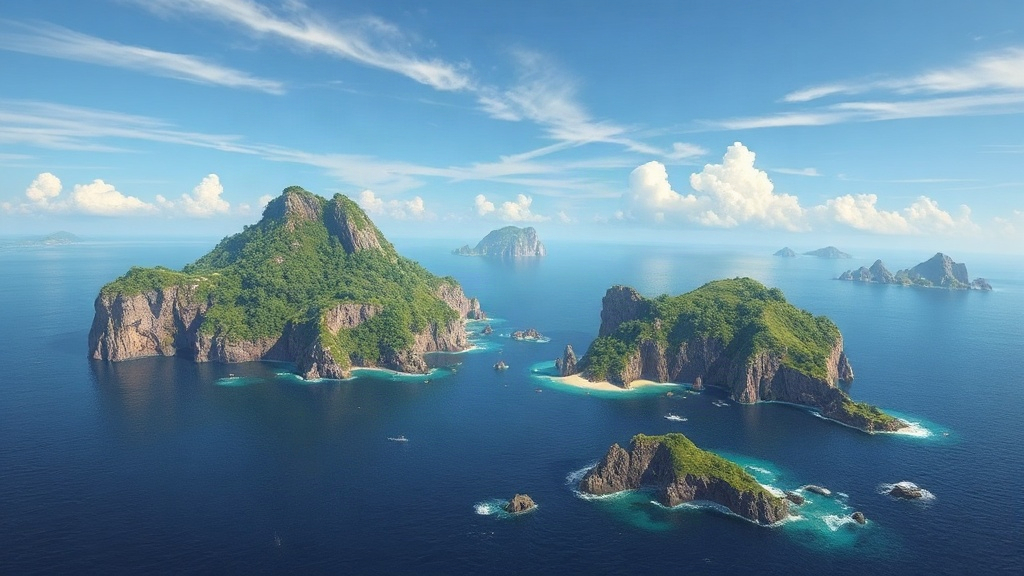
Islands have a way of landing in the headlines for very different reasons. Some are dream destinations, others sit on the front line of global migration, and many are now at the center of diplomatic competition. This week's news shows all three sides at once.
The Canary Islands Under Pressure
Spain's Canary Islands, a volcanic archipelago in the Atlantic off the northwest coast of Africa, have recorded a new single-day high for migrant arrivals. Almost 2,000 people reached the islands in just 24 hours, according to AP News. Al Jazeera then reported that at least eight people were found dead on a migrant boat off the archipelago.
The two stories show how harsh the Atlantic route is. Crossings in small, overcrowded boats can last days, and the open ocean leaves little room for error. The route has long been described as one of the most dangerous migration corridors in the world. Each record-breaking arrival day also puts local reception centers, emergency services, and island communities under heavy strain.
For a place known to most outsiders for beaches, hiking trails, and year-round sunshine, this is a stark contrast. Tourism remains central to the islands' economy, yet local authorities are balancing it against urgent humanitarian responsibilities. The situation is also a reminder that small islands are often asked to carry the weight of much larger political and economic forces.
Why Islands Matter Geopolitically
Islands punch above their weight on the world stage. Their position gives them strategic value, and their waters often hold fishing grounds, shipping lanes, and potential resources. That is especially true in the Pacific, where the region's island nations remain a focus of attention in Canberra, Beijing, Washington, and beyond. Australian media have recently revisited the long-running anxiety over Pacific influence, showing that even small diplomatic moves can ripple through regional politics.
For island nations, this attention is both an opportunity and a challenge. Partnerships can bring funding for infrastructure, climate adaptation, and security. But leaders also stress that they want to set their own priorities, and that climate change, not great-power rivalry, is their most pressing concern.
Climate and Vulnerability
Nearly every island community shares the same underlying worry: a changing environment. Rising seas, stronger storms, and coastal erosion threaten low-lying atolls first, but even larger islands face pressure on freshwater supplies, fisheries, and tourism. That vulnerability shapes decisions on migration, diplomacy, and economic planning alike.
Traveling to Islands Responsibly
Island holidays remain hugely popular, and visitors can help communities rather than strain them. A few simple habits make a real difference:
- Travel outside peak season. Spreading visitors across the year eases pressure on water, housing, and transport. - Spend locally. Family-run guesthouses, local guides, and island-made products keep more money in the community. - Respect nature. Stay on marked trails, avoid single-use plastics, and follow rules around wildlife and protected areas. - Stay informed. Understanding the local context, whether economic, political, or environmental, makes for a more thoughtful trip. - Choose slower itineraries. Staying longer in fewer places reduces your footprint and deepens the experience.
The Bigger Picture
Islands are often imagined as remote and self-contained, yet they are deeply connected to global currents. Ocean routes carry people, trade, and ideas. Political decisions made thousands of miles away shape local lives. Environmental shifts reach island shores sooner than most.
Whether it is the Canary Islands facing record arrivals, Pacific nations navigating competing interests, or travelers looking for a quiet getaway, the common thread is that islands reflect the wider world in concentrated form. Paying attention to them, as visitors, readers, and citizens, offers a clearer view of the challenges and opportunities that will shape the coming decades.