From the journal
Rising Seas and Vanishing Beaches: How Virtual Los Angeles Reveals Coastal Flood Risk
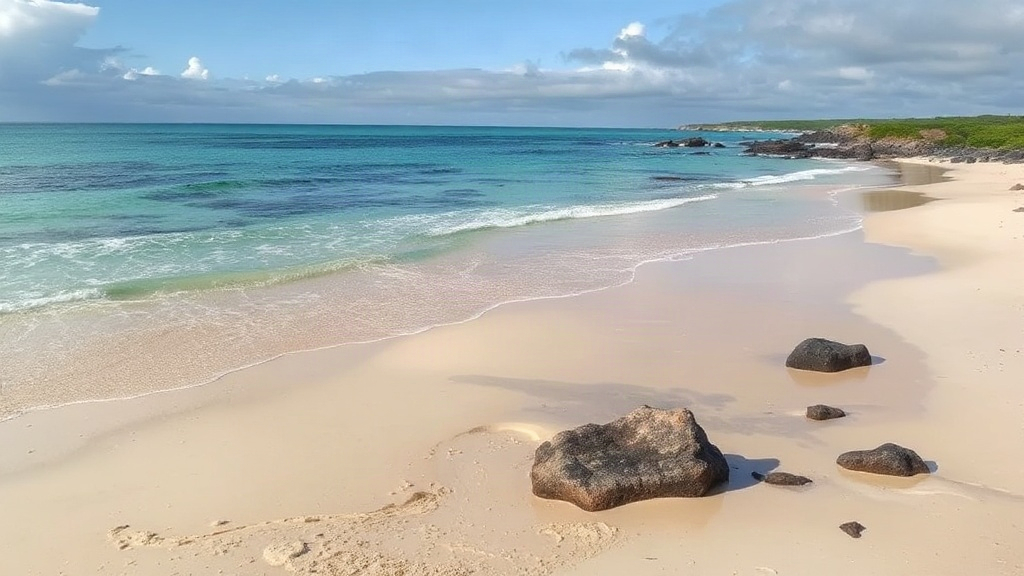
Beaches have always been where people go to slow down, but they are increasingly where people go to see the future of a changing coastline. A recent study is a good example. Researchers used the virtual version of Los Angeles from a hugely popular video game to show how rising seas could swallow familiar stretches of sand. Seeing a digital shoreline flood can make an abstract forecast feel immediate.
Why Visualizing Sea-Level Risk Matters
Projections about coastal flooding are usually delivered as charts, ranges, and probabilities. They are accurate, but they rarely stick. Placing those numbers on a recognizable beachfront, with piers, boardwalks, and roads people know, gives them a sense of scale.
That is why gaming environments, 3D maps, and simulation tools are gaining traction among coastal planners and educators. They let residents "walk" through a flooded neighborhood and ask practical questions. Which parking lots go under first? Where does the beach disappear entirely at high tide? Which access points are most vulnerable?
For a beach city like Los Angeles, where tourism, housing, and public recreation all depend on the shoreline, these questions are central to long-term planning.
What Makes a Beach Vulnerable
Not every beach responds to rising water in the same way. Several factors shape how much sand survives:
- Backshore barriers: Beaches backed by seawalls, roads, or buildings cannot migrate inland, so they tend to narrow and eventually vanish. - Sand supply: Dams, harbors, and development can cut off the natural flow of sediment that replenishes a shoreline. - Storm exposure: Powerful winter storms and high-tide events can strip sand in a matter of days. - Elevation: Low, flat coastlines flood faster and farther inland than steep ones.
Understanding these variables helps explain why two beaches only a few miles apart can have very different futures.
How Communities Are Responding
Coastal towns are using a mix of strategies to protect their beaches. Sand nourishment, where sand is brought in to rebuild eroded shorelines, remains common. Dune restoration, native plantings, and living shorelines are also being used to absorb wave energy in a more natural way. Some communities are exploring managed retreat, relocating infrastructure away from the most exposed areas.
Beach towns also face everyday costs that come with maintaining a coastal lifestyle. In Northeast Florida, for example, Beaches Energy Services recently announced that electric rates will increase on January 1, a reminder that keeping coastal communities running involves more than lifeguards and clean sand. Utilities, stormwater systems, and road upkeep all play a part in a beach town's resilience.
Tips for Being a Smarter Beach Visitor
You do not have to be a scientist to help protect the places you love. A few simple habits go a long way:
1. Stay off the dunes. Dune grasses hold sand in place and shield inland areas from waves. 2. Pack out everything. Plastic, cigarette butts, and food waste harm wildlife and degrade the shoreline. 3. Check conditions first. Tide charts, surf reports, and local advisories help you avoid rip currents and surprise high water. 4. Choose reef-safe sunscreen. Mineral-based formulas are a gentler option for marine ecosystems. 5. Support local cleanups. Volunteer events are an easy way to give back and meet other beach lovers.
Planning Your Next Beach Trip
Travelers are paying more attention to when and where they visit. Shoulder seasons, the weeks just before or after peak summer, often bring calmer crowds, lower prices, and comfortable water. Many people also look for beaches with strong conservation programs, protected wildlife areas, and well-maintained public access.
Checking local resources before you go pays off. Many coastal municipalities now publish real-time water quality updates, parking availability, and erosion notices, which can make a trip smoother and safer.
Looking Ahead
Beaches will always attract people with sunshine, salt air, and open horizons. But the way we think about them is shifting from simple getaways to shared resources that need thoughtful care. Whether the message arrives through a scientific report, a utility notice, or a virtual city slowly filling with water, the takeaway is the same: the coastline we enjoy today depends on the choices communities and visitors make right now.