From the journal
Why Islands Matter: Greenland, Isle Royale, and Alcatraz Shape Geopolitics, Ecology, and Memory
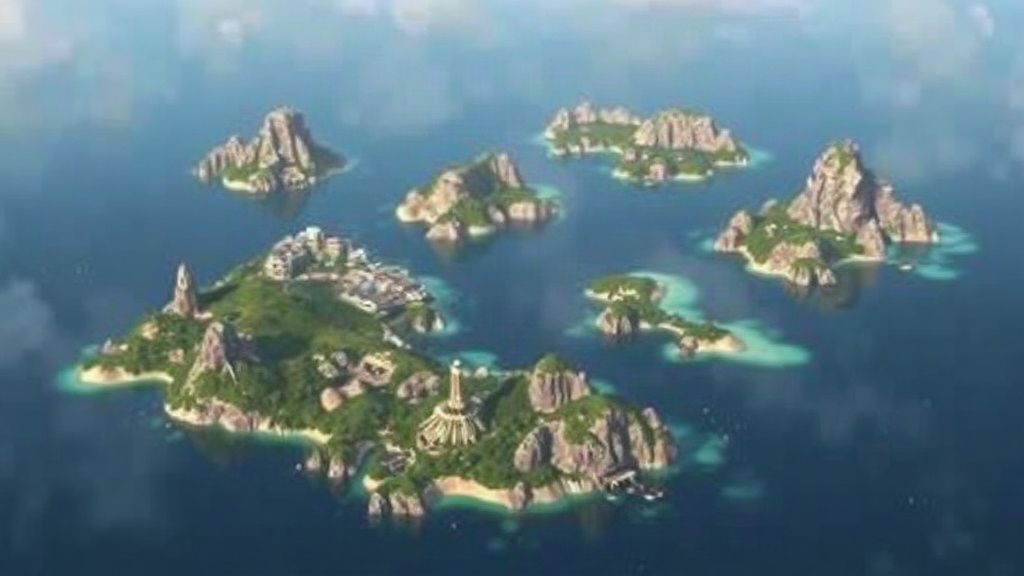
Islands have a way of concentrating big stories into small places. Surrounded by water, they make the stakes of geopolitics, ecology, and memory easier to see. Three recent headlines show why these pieces of land keep drawing attention far beyond their shorelines.
Greenland and the Strategic Value of Location
Greenland is back in the spotlight after reports that a deal to expand the U.S. military footprint on the island has received a go-ahead. The world's largest island sits between North America and Europe, and its position along Arctic air and sea routes has made it strategically important for generations.
The Arctic matters more today than it did a few decades ago. Shrinking sea ice is opening new shipping lanes, drawing interest in critical minerals, and raising the importance of early-warning and surveillance infrastructure. Greenland's geography makes it a natural hub for all of it.
The island is also home to a population with its own identity, politics, and priorities. Any expanded foreign presence is not just a defense question but a conversation about self-determination, environmental protection, and local economic benefit. How those interests are balanced will shape how the arrangement is seen over time.
Isle Royale and the Wolf Experiment
Islands can also serve as living laboratories. On Isle Royale, a remote national park in Lake Superior, wildlife managers set out to rescue a wolf population that had dwindled toward collapse. The pack had become so inbred that its survival was in doubt, and the loss of the island's top predator threatened to throw the whole ecosystem off balance.
The solution was to bring in 19 wolves from several mainland regions to add fresh genetics. Now, roughly eight years on, the project is widely discussed as a case study in what assisted restoration can achieve. The pack has rebounded to a healthy, breeding population, and the predator-prey relationship with the island's moose has regained some balance.
The broader lesson is that isolation cuts both ways. Islands protect unique wildlife, but small populations cut off from outside genes are fragile. Conservationists increasingly see carefully managed reintroductions as a tool for islands, though each one needs long-term monitoring to confirm it is working.
Alcatraz and the Power of Island Symbolism
Today also marks the anniversary of the day Native American activists occupied Alcatraz Island in San Francisco Bay, a protest that began more than half a century ago. The former federal prison, with its sheer isolation, became a stage for demands about treaty rights, land, and dignity.
The occupation lasted for well over a year and drew national attention to Native American issues. It is often credited with helping shift federal policy toward greater tribal self-determination. Visitors to Alcatraz today still find traces of that history, including painted messages and interpretive displays that sit alongside the prison's better-known story.
The choice of an island was no accident. Islands are visible, bounded, and symbolic, which makes them powerful places to make a statement.
Why Islands Keep Shaping the Conversation
Put these stories side by side and a pattern emerges:
- Strategy: Islands act as gateways, outposts, and buffers in a changing global landscape. - Ecology: Their isolation creates both extraordinary biodiversity and unusual vulnerability. - Memory: Their borders make them natural settings for stories of confinement, protest, and renewal.
For travelers, these themes make islands more than scenic getaways. Visiting a place like Isle Royale or Alcatraz offers a chance to engage with real history and active conservation. For readers following world affairs, Greenland is a reminder that a remote landmass can sit at the center of global decisions.
Whether the question is defense, wildlife, or heritage, islands show how much can hinge on a small patch of ground surrounded by water. Expect them to stay in the headlines as climate change, geopolitics, and conservation science continue to evolve.