From the journal
Winter Hotel Trends: New Mountain Lodges, Snow Damage Risks, and Financial Pressure in Hospitality
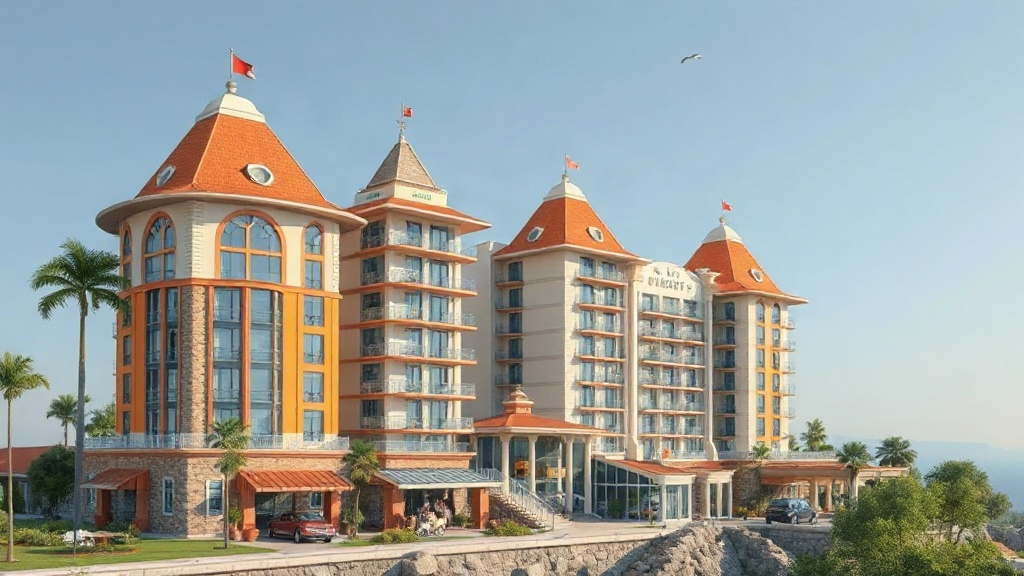
Winter travel season is here, and the hotel industry is sending mixed signals. Travelers are booking cozy mountain lodges and snowy getaways, while recent headlines show how fragile hotel operations can be, from weather damage to financial strain. Together they offer a useful snapshot of what is happening in hospitality right now.
Mountain Hotels Are Back in the Spotlight
Cold-weather escapes are drawing fresh attention, and new alpine properties are leading the conversation. The New York Times recently highlighted five new mountain hotels for a winter getaway, a sign that developers and brands still see strong appetite for experiences built around snow, scenery, and slow-paced relaxation.
The most popular new mountain stays tend to share a few traits:
- Wellness-forward amenities such as thermal pools, saunas, and spa programming that make the hotel itself the destination. - Local character through regional materials, restaurants built around nearby produce, and design that fits the landscape. - Flexible stays that suit remote workers, multigenerational families, and couples looking for a long weekend.
Guests no longer want a generic room with a view. They want a sense of place, and hotels that deliver it can command premium rates even when travel budgets are tight.
When Weather Tests the Building
The same season that fills mountain lodges can also be hard on buildings. Part of a hotel in Chesterfield, Missouri, collapsed under the weight of snow this week, according to local reports. Details will likely emerge as officials and the property's owners assess the damage, but the incident is a reminder that heavy snow loads can seriously stress roofs, particularly flat or wide-span ones common in commercial construction.
For hoteliers, this is a prompt to review seasonal readiness:
- Schedule professional roof and structural inspections before the first major storm. - Keep a clear plan for snow removal on roofs, not just parking lots and entrances. - Confirm that insurance coverage and emergency evacuation procedures are current.
For guests, it's a good reason to check a hotel's cancellation and rebooking policies before traveling during winter storm season, especially when you're headed to a region that gets significant snowfall.
Financial Pressure on Newer Boutique Properties
Not every headline is about weather. In Oakland, the Moxy Hotel, only about five years old and conceived as a boutique travel hotspot, is heading to a foreclosure sale, as reported by The Business Journals. It is a striking example of how quickly the economics of a hotel can shift.
Several pressures have squeezed many urban hotels in recent years:
- Higher borrowing costs that make refinancing difficult for loans taken out when rates were low. - Uneven demand in business-heavy city centers, where corporate travel and conventions have not fully matched earlier patterns. - Rising operating costs, including labor, insurance, and utilities.
A stylish concept and a prime location don't guarantee success if the debt structure doesn't fit the market. Newer hotels, built with optimistic projections, can be especially vulnerable. Resort and leisure markets, meanwhile, have generally held up better than urban business hotels, which helps explain the continued investment in destination properties like those mountain lodges.
What Travelers Can Take From This
Industry turbulence rarely affects a single night's stay, but it can shape the experience. A hotel that is struggling financially may cut services or defer maintenance, while a well-capitalized property with a clear identity is more likely to deliver consistency.
A few practical tips for planning your next trip:
1. Read recent reviews, focusing on the last few weeks, to gauge current service levels. 2. Book flexible rates during peak winter weather windows. 3. Look beyond the big cities for value; shoulder-season mountain and small-town stays often offer strong rates and quieter surroundings. 4. Join loyalty programs, which often provide better cancellation terms and room upgrades.
A Industry in Transition
Hospitality is always balancing opportunity and risk. New mountain hotels show confidence in experience-driven travel, a snow-damaged building in Missouri shows the physical risks of the season, and a foreclosure in Oakland shows the financial ones. For travelers and industry watchers alike, the lesson is the same: the best hotels are those built on a strong concept, sound management, and the resilience to handle whatever the season brings.