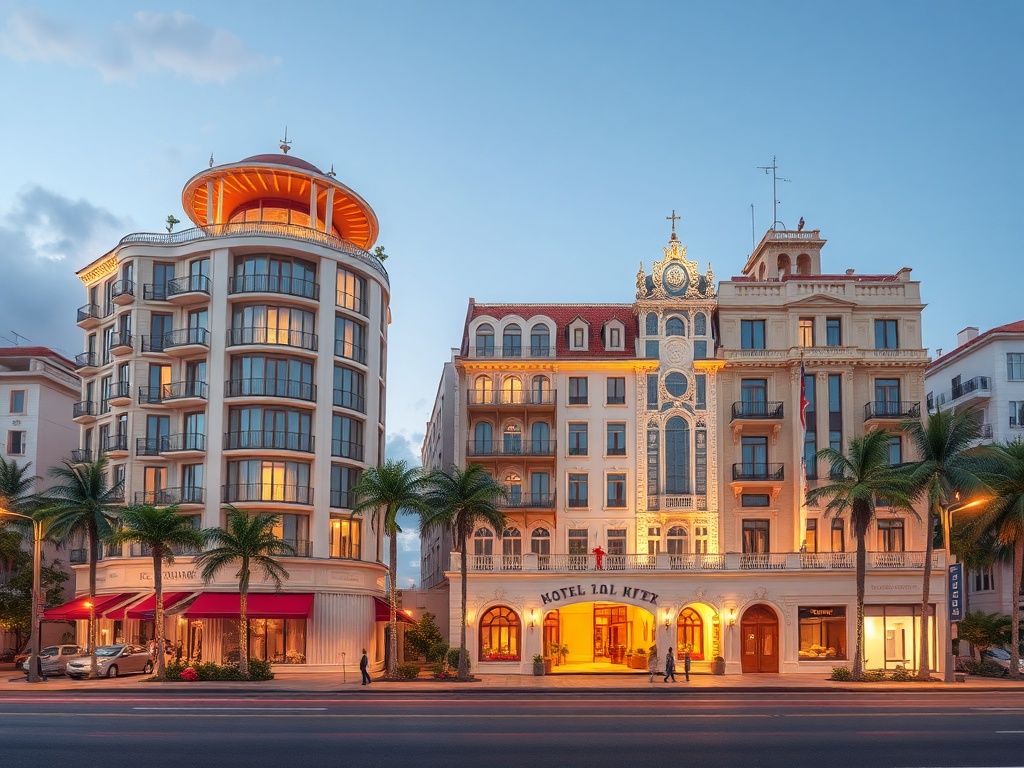
Why Hotels Are Evolving — What Travelers Should Expect from Contactless Tech, Sustainable Practices, and Personalized Stays
Why hotels are evolving — and what travelers should expect
Hotel experiences are changing faster than many travelers realize. Demand for tech-driven convenience, authentic local experiences, and transparent sustainability practices is shaping how hotels design stays, set prices, and market themselves. Whether planning a weekend getaway or managing a property, understanding these shifts helps get better value and fosters smarter stays.
Contactless and frictionless stays
Contactless check-in and mobile room keys have moved from novelty to expectation.
Guests prefer using a phone to bypass the front desk, request services, and control in-room features. Hotels that integrate a unified app for reservations, messaging, and smart-room controls tend to earn higher satisfaction scores. For travelers: download the hotel app before arrival, enable push notifications for real-time updates, and save an ID to speed check-in where possible.
Sustainability that’s verifiable
Sustainability is no longer limited to signs about towels. Travelers look for measurable practices: energy-efficient systems, locally sourced food, waste diversion programs, and third-party certifications.
Transparency matters — hotels that publish sustainability metrics and stories about local sourcing attract conscious guests and often command premium rates. Guests can support meaningful efforts by asking for details or choosing hotels that provide clear sustainability reporting.
Wellness beyond the gym
Wellness offerings now include sleep programs, circadian lighting, on-demand meditation, and healthier mini-bar options, alongside traditional fitness centers. Daylight-rich rooms and air-quality monitoring are selling points for guests focused on wellbeing. Frequent travelers can prioritize hotels with tailored wellness amenities or ask about in-room air-purifying options and pillow menus.
Personalization and loyalty
Personalization fuels loyalty. Hotels use data to anticipate needs: preferred room type, dietary restrictions, and even favored toiletries.
Loyalty programs remain valuable but perform best when they offer experiential rewards — upgrades, local tours, or flexible cancellation policies — rather than just points. Travelers should enroll in programs from hotels they use frequently and check for direct-booking perks that may include complimentary Wi-Fi, breakfast, or late checkout.
Local experiences and curated stays
The definition of “authentic travel” has shifted toward curated local experiences.
Properties partner with neighborhood vendors to provide cooking classes, guided walks, or off-the-beaten-path activities that connect guests to culture. Boutique hotels and larger brands alike are investing in localized programming to differentiate themselves from generic accommodations.
Pricing and booking strategies
Dynamic pricing is more sophisticated; demand forecasts, local events, and even weather influence nightly rates. To get the best price, compare direct-book offers with reputable third-party sites, and consider flexible dates. Use loyalty status and membership discounts, and watch for bundled deals that include meals or experiences for better overall value.
Safety and cleanliness as baseline expectations
Elevated cleanliness standards are now baseline. Regular air filtration, rigorous cleaning protocols, and transparent housekeeping options (opt-in vs. daily service) provide both safety and peace of mind. Ask about cleaning practices and HVAC maintenance if air quality or hygiene is a priority.
What travelers and hoteliers can do now
– Travelers: book direct for perks, read recent guest reviews for service and cleanliness, and prioritize hotels with clear sustainability and wellness offerings.
– Hoteliers: invest in integrated tech, publish sustainability metrics, and design localized experiences to increase direct bookings and loyalty.
The hospitality landscape keeps adapting to guest expectations.
Choosing hotels that prioritize convenience, authenticity, and transparent practices creates more memorable, valuable stays — whether for work, leisure, or a blend of both.