How to Choose Slow-Travel Destinations for Deeper Immersion
Slow travel is reshaping how people pick destinations. Instead of checking off a long list of sights, travelers are focusing on depth: longer stays, local routines, and meaningful connections. Choosing the right destination can turn a trip into a personal reset, a cultural education, or a sustainable getaway.
Here’s how to pick places that deliver a richer travel experience and practical tips to make the most of them.
Why choose a destination for slow travel?
– Deeper cultural immersion: Smaller towns, lesser-known neighborhoods, and slower-paced regions make it easier to connect with local life — markets, neighborhood cafés, and community events.
– Lower environmental impact: Staying longer in one place reduces transit frequency and helps support local economies rather than large, extractive tourist industries.
– Better value and less stress: Fewer transfers and a relaxed schedule reduce travel fatigue and often yield better rates on accommodation and long-term rentals.
How to find destinations that suit slow travel
1. Look beyond headline cities.
Major capitals are essential for many itineraries, but nearby towns and rural areas often provide more authentic experiences. Search for places with cultural attractions, artisan communities, and well-preserved landscapes.
2. Prioritize accessibility by rail or car. Regions with good train or road connections allow you to arrive without the hassle of repeated flights.
This makes multi-week stays easier and more flexible.
3. Seek seasonal balance. Off-peak seasons offer quieter streets, lower prices, and more authentic encounters. Choose places where weather and services align with your comfort and interests.
4. Favor local stewardship. Destinations with strong conservation programs, community tourism cooperatives, or active heritage efforts tend to offer experiences that benefit both visitors and residents.
Activities that deepen your visit
– Learn a local craft or culinary skill through a workshop run by community artisans or family farms.
– Volunteer for short-term projects that welcome visitors—community gardens, beach cleanups, or cultural preservation tasks.
– Join a neighborhood walking group or language exchange to meet residents and learn everyday customs.
– Explore by bike or on foot to notice small details that buses and cars miss: street murals, local bakeries, hidden viewpoints.
Practical planning tips
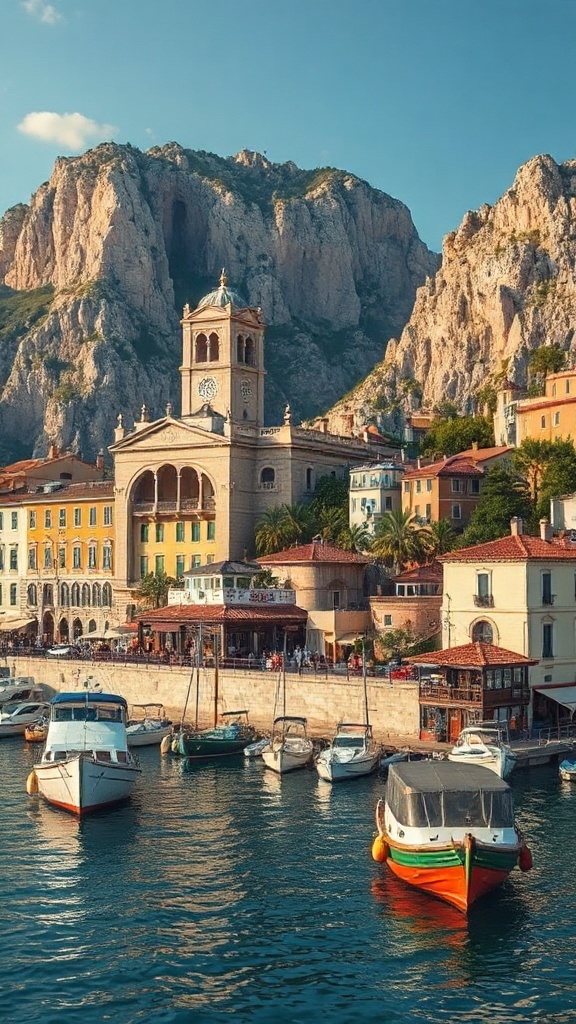
– Book a longer stay in one base instead of multiple short hops. Short-term apartments or guesthouses often provide discounts for weekly or monthly bookings and give time to settle in.
– Pack lighter and plan practical layers. Slower itineraries favor comfort and adaptability over extensive wardrobes.
– Use local guides and small businesses. They offer richer narratives and help ensure your spending supports the community.
– Research public transit passes and regional rail cards before you leave. Many places offer affordable options for longer stays that reduce the need for a rental car.
Safety and responsibility
Respect local norms and be mindful of carrying out what you carry in. Learn a few basic phrases of the local language and follow seasonal etiquette for dress and photography. Leave natural sites as you found them and support businesses that demonstrate sustainable practices.
Choosing a destination with slow travel in mind invites a different kind of reward: time to notice, space to learn, and the satisfaction of travel that leaves a gentle footprint. Whether you’re seeking creative inspiration, a cultural deep dive, or simply a chance to unwind without rushing, the right destination can transform how you travel — making the journey itself as meaningful as the place you visit.