Island Resilience Guide: Nature-Based Solutions for Sustainable Tourism
Island Resilience: Nature-Based Solutions and Sustainable Tourism
Islands are frontline places for climate impacts, biodiversity, and cultural heritage. For island communities, resilience means protecting coastlines, restoring ecosystems, and balancing visitor economies with long-term sustainability. This article explores practical approaches islanders, policymakers, and travelers can use to support healthy, resilient islands.
Nature-based coastal protection
Restoring and conserving natural systems is one of the most cost-effective ways to protect islands. Mangroves, seagrass beds, coral reefs, and coastal dunes reduce wave energy, trap sediment, and buffer storm surge. Unlike engineered seawalls, healthy ecosystems grow stronger over time and provide habitat for fish and birds, support local fisheries, and store carbon. Prioritizing ecosystem restoration often yields multiple benefits: improved water quality, increased tourism appeal, and greater food security for coastal communities.
Low-impact infrastructure and distributed energy
Island resilience increasingly depends on decentralized infrastructure. Microgrids powered by solar, wind, and battery storage reduce dependence on imported fuels and increase energy security during extreme weather. Rainwater harvesting and energy-efficient desalination technologies address freshwater shortages without heavy reliance on shipping. Designing roads, buildings, and utilities with flexibility—elevated structures, permeable surfaces, and modular systems—helps communities adapt to changing conditions while minimizing environmental damage.
Community-led planning and traditional knowledge
Top-down solutions rarely succeed without local buy-in. Successful island adaptation integrates traditional knowledge with modern science. Local fishers, elders, and artisans offer insights into historical shoreline shifts, seasonal patterns, and resource management practices that can inform zoning, fishing restrictions, and restoration priorities. Community land-use planning, enforced setbacks, and incentives for conservation help reduce risk and maintain cultural landscapes.
Sustainable island tourism
Tourism is a major source of income for many islands, but unmanaged visitation can erode natural and cultural assets. Sustainable island tourism focuses on quality over quantity: limiting carrying capacity in sensitive areas, promoting off-season visitation, and supporting locally owned enterprises. Certification programs, waste-reduction initiatives, and low-emission transport options—like electric ferries and bicycles—help reduce tourism’s footprint. Well-designed visitor fees and community benefit-sharing ensure tourism dollars support conservation and local livelihoods.
Biodiversity protection and invasive species control
Islands often host endemic species found nowhere else, making them conservation priorities.
Preventing new introductions of invasive plants and animals, rapid response to outbreaks, and habitat restoration are essential. Community education campaigns, biosecurity checks at ports and airports, and targeted removal programs can protect native species and preserve ecosystem services that communities rely on.
Practical steps for island communities and travelers
– For local leaders: invest in mangrove and reef restoration, adopt flexible building codes, and support renewable microgrids.
– For conservation groups: partner with communities to document traditional knowledge and prioritize restoration sites that offer both ecological and economic benefits.
– For travelers: choose locally owned accommodations, follow biosecurity rules, avoid single-use plastics, and respect wildlife and cultural sites.
– For funders and policymakers: prioritize long-term financing for nature-based solutions and capacity-building rather than short-term projects.
Islands offer a model for integrated resilience—where ecology, culture, and economy are interconnected.
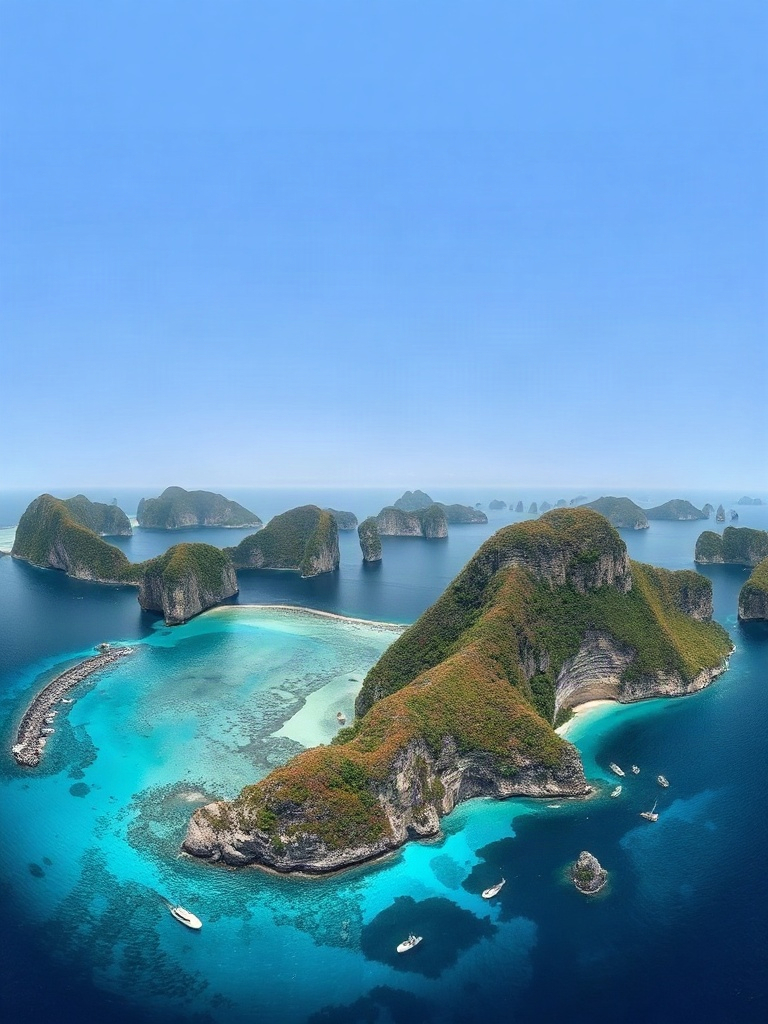
By blending nature-based protection, decentralized technology, community stewardship, and sustainable tourism practices, islands can safeguard their coastlines and cultures while remaining vibrant places to live and visit. Small-scale actions by residents, tourists, and decision-makers together make a lasting difference for island futures.