Portugal for Remote Workers and Digital Nomads: Best Cities, Costs, and Relocation Tips
Portugal has become a top choice for remote workers and digital nomads who want a balance of modern infrastructure, relaxed lifestyle, and easy access to Europe and beyond. Whether you’re drawn to sun-drenched beaches, buzzing cities, or peaceful islands, Portugal offers a variety of settings that support productivity, leisure, and cultural immersion.
Why remote workers choose Portugal
– Reliable connectivity: Major cities and many coastal towns have fast broadband and growing 5G coverage. Coworking spaces and cafes routinely advertise gigabit or high-speed connections, making remote work seamless.
– Affordable living: Compared with many Western European capitals, everyday costs — groceries, public transport, dining out — can be noticeably lower. Renting outside central tourist hotspots stretches budgets further while still offering high quality of life.
– Mild climate and outdoors: Mild winters, warm summers, and abundant sunshine help maintain a healthy work-life balance.
Surfing, hiking, cycling, and coastal walks are easy weekend options that boost wellbeing and creativity.
– High safety and healthcare standards: Portugal is widely regarded as safe, with reliable public and private healthcare options. Expats regularly report positive interactions with local services and professionals.
– Rich culture and cuisine: From neighborhood tascas serving petiscos (small plates) to iconic pastries, the food scene is a constant draw. Local festivals, live music, and historic neighborhoods provide endless exploration outside working hours.
Top places to consider
– Lisbon: The capital blends historic charm with a modern startup ecosystem.
Expect diverse neighborhoods, abundant coworking spaces, and a lively social scene.
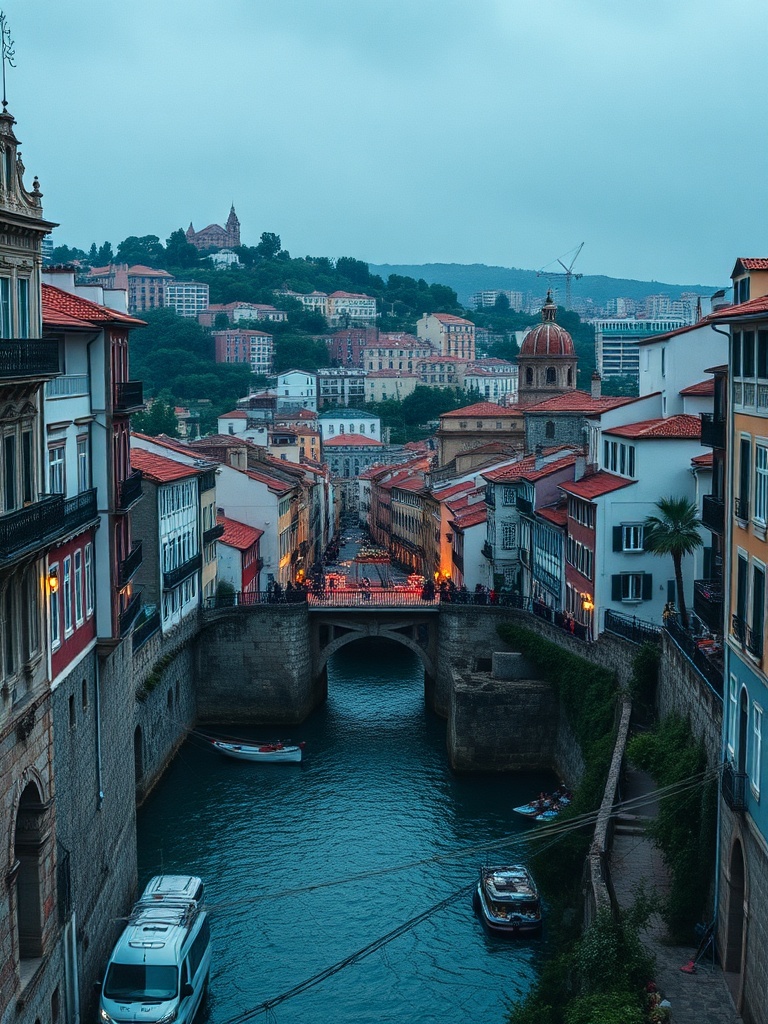
– Porto: A smaller city with a strong creative vibe, renowned food, and a manageable pace. Ideal for those who want urban comforts without the hustle.
– Algarve: Known for beaches and outdoor life, the Algarve appeals to people seeking sun, surf, and a relaxed routine.
– Madeira and the Azores: Island life offers nature-first living, growing communities for remote workers, and initiatives aimed at attracting digital professionals.
Practical tips for relocating or long stays
– Check visa and residency options: Several pathways exist for long-term stays; eligibility and requirements can change, so consult official sources or immigration experts before planning a move.
– Secure reliable internet before committing: Short-term rentals and hotels often advertise speeds, but confirm with hosts or test in person. Many coworking spaces offer day passes to test the setup.
– Choose neighborhood based on lifestyle: If you want nightlife and networking, central districts make sense. For quieter, budget-friendly living, suburban or smaller coastal towns may be better.
– Learn basic Portuguese: English is widely spoken in tourist and business areas, but learning common phrases fosters local goodwill and smoother daily interactions.
– Budget for healthcare and insurance: Public healthcare is accessible, and many expats opt for private insurance for standard waiting times and specialist access.
– Build community: Meetups, local expat groups, and coworking spaces accelerate social integration and professional opportunities.
Work-friendly perks and cautions
Portugal’s timezone is favorable for coordinating with both European and American teams. Time differences and seasonal tourism can affect daily rhythms in popular destinations. Rental markets in top cities can be competitive, so plan viewings and bookings ahead, especially for longer-term leases.
To get started, shortlist a few cities or islands, arrange a scouting trip if possible, and talk to fellow remote workers who’ve made the move.
With strong connectivity, diverse living options, and a welcoming culture, Portugal remains a compelling base for remote work and a lifestyle upgrade.