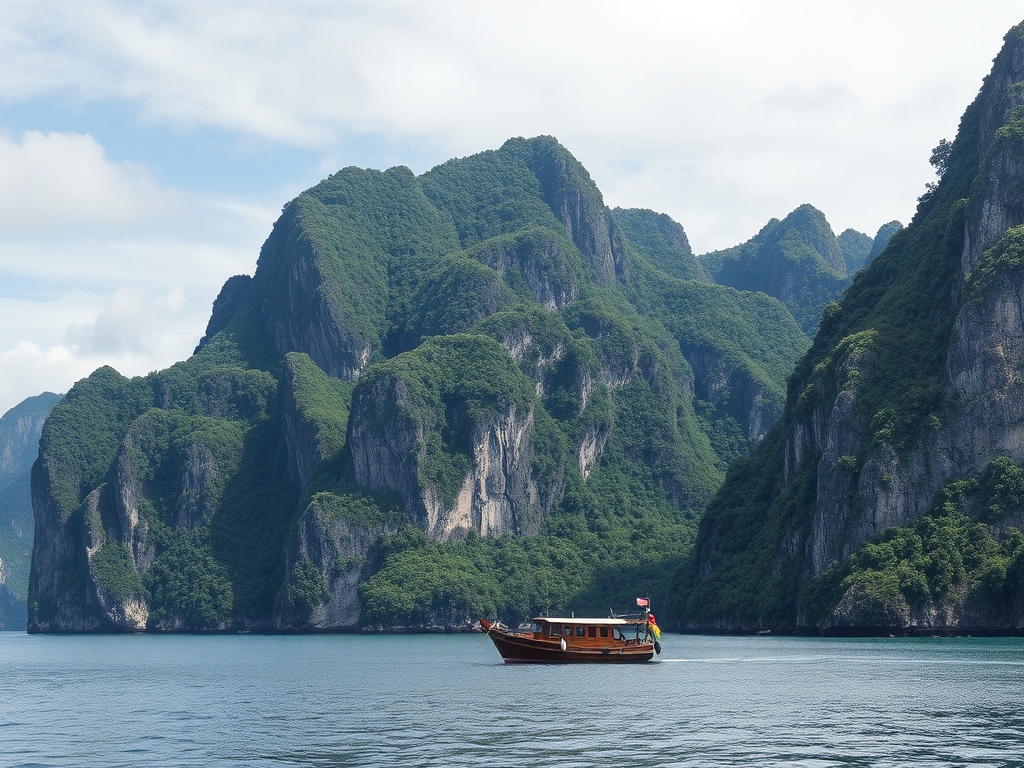
Islands as Blueprints for Renewable Energy and Climate Resilience
Islands Leading the Way in Renewable Energy and Climate Resilience
Islands face unique challenges—limited land, dependence on imported fuel, and acute exposure to storms and sea-level changes.
Those constraints have pushed many island communities to innovate, turning vulnerability into opportunity by becoming testbeds for renewable energy, microgrids, and nature-based resilience.
The result is a growing blueprint for sustainable island living that other coastal and isolated regions can adapt.
Why islands are ideal for clean-energy adoption
Islands often pay a premium for diesel and other imported fuels, which makes renewable energy projects economically attractive. Compact electrical grids and concentrated populations simplify the deployment of solar panels, wind turbines, and battery storage. When paired with energy-efficiency measures and demand management, these technologies can slash costs, cut emissions, and increase local energy security.
Microgrids and energy independence
Microgrids—local electricity systems that can operate independently from a mainland grid—are becoming standard on remote islands. They allow communities to integrate multiple energy sources, prioritize critical services during outages, and reduce fuel transport risks. Advances in battery storage and smart controls mean microgrids can balance variable generation while ensuring reliable power for homes, hospitals, and businesses.
Nature-based solutions for resilience
Beyond electricity, islands are investing in nature-based approaches to protect coastlines and ecosystems. Restoring mangroves, coral reefs, and seagrass beds not only enhances fisheries and biodiversity but also absorbs wave energy and stabilizes shorelines. Combining hard infrastructure with living shorelines creates layered defenses that work with natural processes rather than against them.
Community-led governance and local benefits
Successful island projects prioritize local leadership and capacity building.
Training residents to install and maintain systems keeps jobs on-island and reduces long-term costs. Community-owned utilities or cooperatives help ensure that financial benefits stay local, improving social equity and fostering long-term stewardship of natural resources.
Practical steps islands can take now
– Conduct an energy audit to find easy efficiency gains in buildings and lighting.
– Prioritize solar-plus-storage piloting at public facilities like schools and clinics.
– Implement demand-response programs to reduce peak loads and defer expensive upgrades.
– Restore coastal habitats to enhance natural defenses while supporting fisheries and tourism.
– Forge partnerships with technical providers and funding agencies to de-risk projects and secure favorable financing.
What visitors and supporters can do
Respect local practices and ecosystems when traveling. Support businesses that use local, sustainable resources and avoid single-use plastics that often end up in island waters. For those interested in longer-term impact, backing community energy funds or conservation initiatives via trusted organizations channels resources to projects with measurable benefits.
A replicable model for resilience
Islands illustrate how constrained resources can accelerate innovation. By combining renewable energy, microgrids, ecosystem restoration, and inclusive governance, island communities are demonstrating practical pathways to reduce emissions, strengthen resilience, and retain economic benefits locally. These lessons are applicable to coastal towns, rural regions, and urban neighborhoods seeking to build a more sustainable and resilient future.