Fly Smarter & Greener: Air Travel Trends, Airport Tech & Tips
Flying remains one of the most efficient and magical ways to travel long distances, and the industry is evolving faster than ever. From quieter, cleaner propulsion to smarter airport processes, these advances are reshaping how people experience air travel. Whether you’re a frequent flyer or planning your first trip, understanding the trends and practical tips can make flying smoother, greener, and more enjoyable.
What’s changing in the skies
Sustainable aviation is a major focus. Airlines and manufacturers are investing in sustainable aviation fuels (SAF) and more efficient airframes to reduce carbon emissions. Meanwhile, electric and hybrid-electric propulsion systems are advancing for short-haul aircraft, and electric vertical takeoff and landing (eVTOL) vehicles are moving toward urban air mobility, promising quick hops between city hubs and airports. These technologies aim to cut noise and emissions while opening new travel routes.
Passenger experience gets smarter
Airports and airlines are adopting biometric boarding, mobile check-in, and digital bag tracking to reduce queues and speed up connections. Onboard, high-speed Wi-Fi and improved inflight entertainment systems help passengers stay productive or entertained. Seat comfort remains a priority for premium cabins, while many carriers now offer adjustable headrests, power outlets and USB ports even in standard seating.
Tips to fly smarter and more comfortably
– Choose your seat wisely: Consider aisle seats for easy access, window seats for views and a wall to lean on, and exit rows for extra legroom.
Use airline seat maps and reviews when booking.
– Pack strategically: Keep essentials and valuables in a carry-on.
Use packing cubes to organize and a lightweight day bag for inflight items like headphones, chargers and a water bottle.
– Manage jet lag: Adjust sleep schedules gradually before travel, stay hydrated, and get sunlight exposure upon arrival to help reset your body clock. Short naps can help, but avoid long sleeps on the first day if staying active is possible.
– Stay hydrated and move: Airplane cabins are dry, so drink water regularly and reduce caffeine and alcohol.
Walk the aisle and do ankle and leg stretches to reduce stiffness and circulation issues.
– Prepare for security: Have liquids and electronics accessible for screening.
Enroll in trusted traveler programs if you fly often to speed up security checks.
Making travel greener
If reducing your travel footprint matters, consider booking non-stop flights when possible (takeoffs and landings are the most fuel-intensive), choosing airlines that use SAF blends, or investing in verified carbon offset programs. Packing lighter and traveling with carry-on only also lowers overall fuel consumption per passenger.
What to watch next
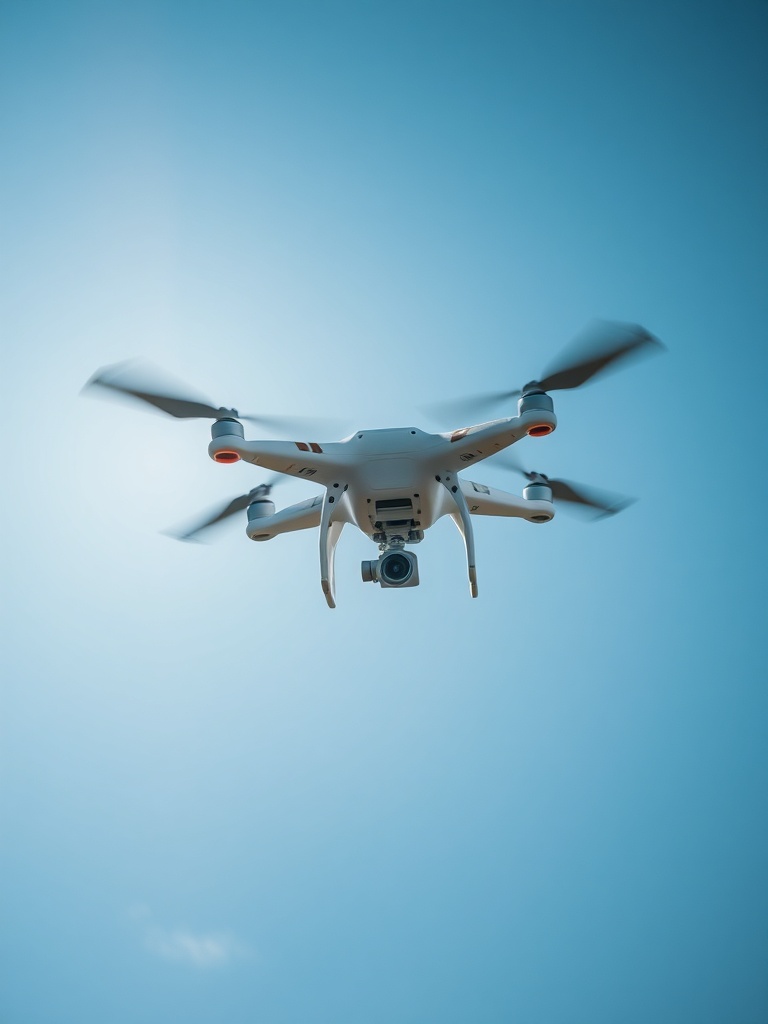
Expect connectivity to improve, regional electric aircraft to enter more short routes, and urban air mobility to gradually appear in regulated city corridors. Airports will continue streamlining security and boarding processes, while airlines refine loyalty benefits and ancillary services to meet changing traveler expectations.
Flying combines efficiency with a unique sense of possibility.
By staying informed about sustainability advances, embracing new airport tech, and adopting a few practical habits, every trip can be more comfortable, responsible, and enjoyable.