Island Resilience: Protecting Biodiversity, Culture, and Smart Travel Tips
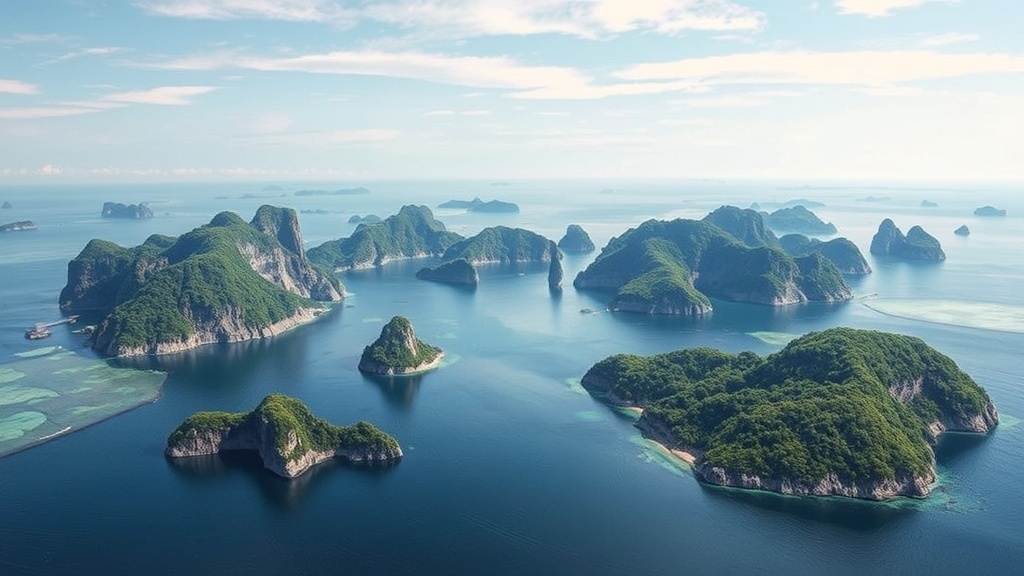
Islands hold a special place in the imagination: remote beaches, unique wildlife, and cultures shaped by the sea. Beyond postcard-perfect scenery, islands are critical hubs of biodiversity, culture, and innovation — and they face distinct challenges that require targeted solutions. Understanding what makes islands special helps travelers, conservationists, and policymakers support their long-term resilience.
Why islands matter
Islands are biodiversity hotspots. Geographic isolation encourages the evolution of endemic species found nowhere else.
From tiny plants to flightless birds and rare reptiles, island ecosystems host a disproportionate share of global biodiversity.
Culturally, island communities often maintain languages, crafts, and foodways that have been preserved through generations, offering invaluable human heritage.
Key pressures on island systems
– Climate and sea-level changes: Low-lying atolls and coastal settlements are particularly vulnerable to storm surge, erosion, and salinization of freshwater sources.
These impacts threaten housing, agriculture, and infrastructure.
– Invasive species: Introduced predators, plants, and pathogens can decimate native species with no evolved defenses, dramatically altering ecosystems.
– Over-tourism and development: Sudden influxes of visitors or poorly planned development can strain water supplies, increase waste, and damage fragile habitats like coral reefs and mangroves.
– Resource limitations: Many islands import essentials and rely on limited land and freshwater, making supply chains and energy security critical concerns.
Actions that build island resilience
Conservation and sustainable management on islands are increasingly community-driven and science-informed. Effective approaches include:
– Marine protected areas and reef management: Protecting key habitats helps replenish fish stocks, maintain tourism appeal, and buffer coasts from storm impacts.
– Invasive-species control: Targeted eradication campaigns and strict biosecurity at ports and airports prevent new introductions and help recover native species.
– Nature-based coastal defenses: Restoring mangroves, seagrasses, and dunes reduces erosion, traps sediment, and provides habitat, often at lower cost than hard infrastructure.
– Renewable energy and circular systems: Switching to solar, wind, and microgrids reduces fuel dependence, while wastewater reuse and rainwater harvesting secure freshwater supplies.
– Community-led planning: Integrating traditional knowledge with scientific planning creates culturally appropriate strategies for land use, fisheries, and tourism.
Practical tips for island visitors
Responsible travel makes a real difference. Consider these best practices:
– Pack light and bring reusable items (water bottle, bags, utensils) to reduce plastic waste.
– Follow local biosecurity rules: clean footwear and gear to avoid transporting seeds, insects, or marine organisms.
– Support local businesses: choose locally owned accommodations, guides, and restaurants to keep benefits in the community.
– Respect wildlife and habitats: avoid touching coral, feeding wild animals, or straying into nesting areas.
– Choose eco-certified operators and learn about their conservation practices.
How to help from afar
Support conservation organizations that work with island communities, adopt sustainable consumption habits, and advocate for policies that fund climate adaptation and biodiversity protection. Educating others about the unique value and fragility of island ecosystems amplifies impact.
Islands are living laboratories of adaptation, culture, and biodiversity. Thoughtful stewardship — combining local leadership, smart policy, and mindful travel — can help these special places thrive despite growing pressures.