Island Travel and Living: A Practical Guide to Biodiversity, Culture, Conservation, and Responsible Stays
Islands combine isolation and abundance, offering unique ecosystems, vibrant cultures, and compelling travel experiences. Whether you’re planning an escape, researching conservation, or simply curious about island life, understanding what makes islands special helps visitors and residents protect these fragile places while enjoying their benefits.
Why islands matter
– Biodiversity hotspots: Islands often host species found nowhere else. Geographic isolation encourages endemism, producing plants, birds, and marine life that evolved in isolation. These species can be especially vulnerable to invasive species and habitat loss.
– Cultural richness: Island communities preserve distinct languages, culinary traditions, and arts shaped by oceanic trade and local resources. Small populations often mean stronger local networks and a powerful sense of place.
– Climate and resilience: Islands face unique environmental pressures, including coastal erosion, saltwater intrusion, and storm impacts.
Many island communities are pioneering resilience strategies—from mangrove restoration and coral rehabilitation to decentralized renewable energy—to protect homes and livelihoods.
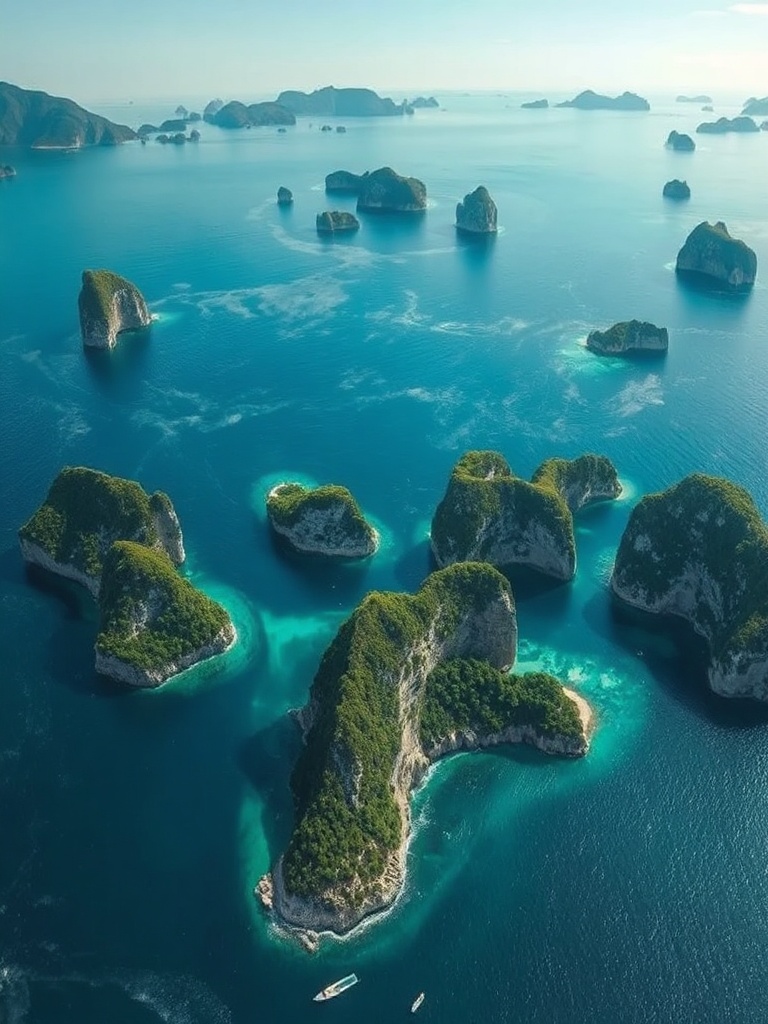
Responsible island travel
Travel can support island economies but also strain limited resources.
Mindful choices make tourism a net positive:
– Choose local: Book locally owned accommodations, dine at family-run restaurants, and buy crafts directly from artisans to keep revenue in the community.
– Pack light and pack smart: Bring reef-safe sunscreen, reusable water bottles and bags, and clothing suited to the climate. Many islands have limited waste-management capacity; minimizing single-use plastics reduces pressure on local systems.
– Respect wildlife and habitats: Keep distance from nesting birds and marine mammals, avoid touching corals, and follow marked trails to prevent erosion and habitat damage.
– Learn basic local etiquette: A few words of the local language, awareness of religious norms, and a respectful demeanor go a long way toward positive interactions.
Conservation actions that work
Islands are laboratories for practical conservation that often scale globally:
– Mangrove and wetland restoration: These natural buffers reduce storm surge, store carbon, and support fisheries.
– Community-based fisheries management: Local stewardship of reefs and nearshore waters helps maintain fish stocks and food security.
– Marine protected areas (MPAs): Properly managed MPAs can restore biodiversity and boost surrounding fisheries through spillover effects.
– Renewable energy adoption: Solar microgrids and battery storage reduce dependence on diesel imports and increase resilience during storms.
Island living tips for longer stays
Remote work and longer stays are popular for island enthusiasts. Consider these practicalities:
– Connectivity: Confirm reliable internet and mobile coverage, especially if work depends on it. Some islands now offer coworking spaces and improved broadband options.
– Health and supplies: Check availability of medical services and pharmacies.
Bring essential medications and copies of prescriptions.
– Transportation: Ferry schedules and small-airport operations can be affected by weather. Allow flexibility in itineraries and plan for transfers.
– Community engagement: Volunteer with local conservation groups or cultural programs—mutual exchange fosters deeper connection and positive impact.
The enduring appeal
Islands offer a powerful mix of natural beauty, cultural authenticity, and innovation in sustainability.
By traveling thoughtfully and supporting local initiatives, visitors can enjoy memorable experiences while helping to protect island futures. Whether drawn by the call of remote beaches, vibrant coral reefs, or resilient communities, an island visit can be both transformative and responsible.