Islands at Risk: Climate Threats, Conservation Strategies, and Responsible Travel Tips
Islands: fragile paradises where nature, culture, and innovation meet
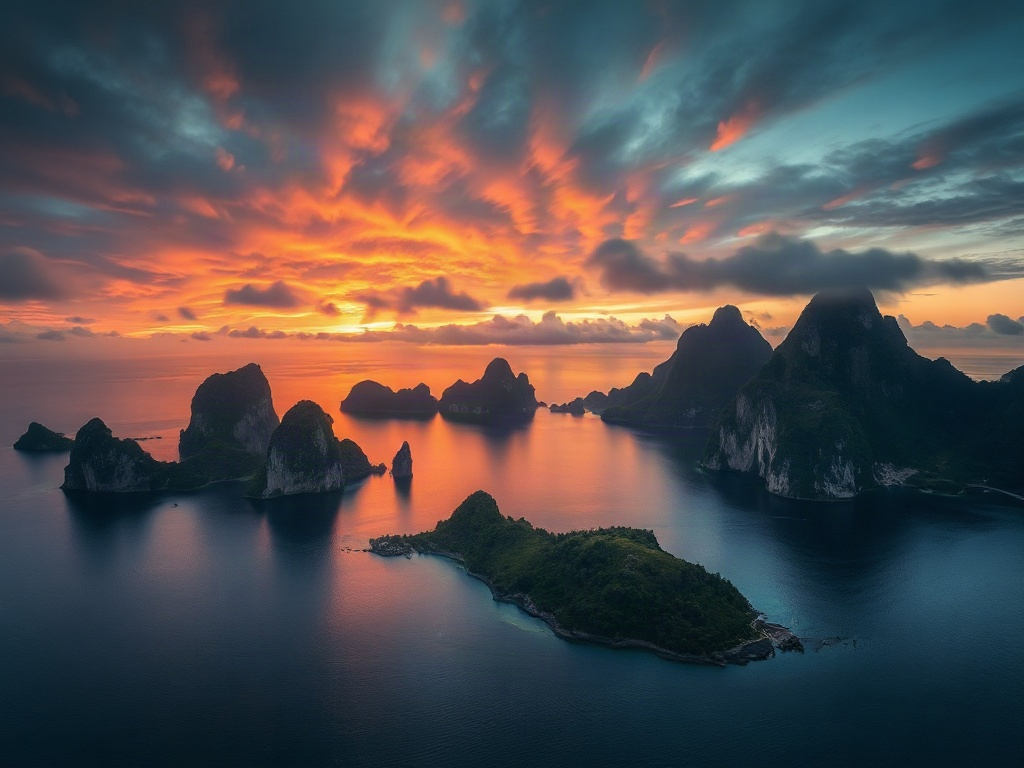
Islands captivate like few other places—white-sand beaches, remote reefs, volcanic peaks and tight-knit communities all packed into compact landscapes. That appeal is matched by vulnerability: limited land, finite freshwater, and outsized exposure to storms and sea-level changes make islands both extraordinary and ecologically sensitive. Understanding what’s happening on islands and how to visit or support them responsibly matters for conservation and for the people who call these places home.
Key pressures and resilience strategies
– Climate and sea-level impacts: Coastal erosion, saltwater intrusion into aquifers, and coral bleaching put essential habitats and infrastructure at risk. Many island communities are prioritizing early-warning systems, mangrove and reef restoration, and climate-smart land use to boost resilience.
– Biodiversity and invasive species: Islands often host endemic species found nowhere else. Invasive mammals, plants, and pathogens can quickly unbalance ecosystems. Effective biosecurity, targeted eradication programs, and community-led monitoring are proven approaches to protect native flora and fauna.
– Freshwater and food security: Limited freshwater supplies and reliance on imports shape daily life. Solutions gaining traction include rainwater harvesting, solar-powered desalination, and local food production through permaculture, aquaponics, and agroforestry.
– Economic transition and the blue economy: Tourism, fisheries, and marine services are central to many island economies. Diversifying income streams—sustainable fisheries management, eco-tourism, and renewable energy projects—helps reduce vulnerability and retain cultural practices.
Innovations shaping island futures
Renewable microgrids using solar, wind, and battery storage are reducing dependence on diesel and increasing energy security. Coral restoration techniques, such as microfragmentation and reef gardening, are helping degraded reefs recover faster.
Community-based marine protected areas pair traditional knowledge with science to manage fisheries and boost biodiversity.
These strategies not only protect ecosystems but also create jobs and strengthen local governance.
How travelers can make a positive impact
– Choose responsible operators: Opt for locally owned accommodations and tour operators that follow environmental guidelines and hire local staff.
– Minimize plastic and waste: Bring a reusable water bottle and shopping bag; many islands have limited waste-management infrastructure.
– Respect marine life and habitats: Observe snorkeling and diving rules—do not touch or stand on coral, and keep a safe distance from wildlife.
– Learn and support: Visit cultural centers, buy locally made goods, and contribute to community conservation projects or vetted nonprofits.
– Offset thoughtfully: If offsetting travel emissions, select transparent programs that fund verified projects benefiting island communities and ecosystems.
Why island stewardship matters
Islands are early indicators of broader environmental trends because changes there are often rapid and visible. Protecting island ecosystems preserves unique species and livelihoods while offering scalable innovations for climate adaptation and sustainable living. Thoughtful policy, investment in local solutions, and conscious travel choices can help islands retain their beauty and cultural richness for generations to come.
Practical next steps
Support conservation initiatives that prioritize local leadership, learn island-specific best practices before you visit, and consider sustainable travel options that reduce environmental impact. Small actions—carried out by many visitors and residents—build cumulative benefits that keep island communities resilient and vibrant.