Islands have a magnetic pull for travelers, naturalists, and culture seekers alike.
Islands have a magnetic pull for travelers, naturalists, and culture seekers alike. Surrounded by water yet often home to unique ecosystems and distinct cultures, islands offer concentrated experiences—jaw-dropping landscapes, endemic wildlife, and traditions that evolved in relative isolation. Understanding what makes islands special helps travelers enjoy them responsibly and ensures these places remain vibrant for generations.
What makes islands unique
– Geological variety: Islands form in different ways—volcanic peaks rising from the sea, coral atolls built by marine life, and continental fragments separated by shifting land. Each origin shapes terrain, soil, and habitat.
– Biodiversity hotspots: Isolation breeds endemism. Many islands host plants and animals found nowhere else, from tiny birds to specialized reptiles and rare orchids. That uniqueness makes islands important targets for conservation.
– Cultural distinctiveness: Small populations and limited contact with the mainland give rise to languages, crafts, and rituals that feel deeply rooted.
Food scenes on islands often highlight local fisheries, tropical produce, and centuries-old recipes.
Responsible island travel
Islands can be ecologically fragile and economically dependent on visitors.
Travel choices matter:
– Use reef-safe sunscreen and avoid touching coral or marine life while snorkeling or diving.
– Support local businesses: choose family-run guesthouses, markets, and guides rather than large foreign-owned resorts when possible.
– Minimize single-use plastics; carry a reusable water bottle and shopping bag.
– Follow marine park rules and stay on marked trails to protect sensitive habitats.
Practical tips for planning an island trip
– Getting around: Ferries, small aircraft, and regional boats are common. Check schedules carefully—services may be less frequent than on the mainland—and allow extra travel time for transfers.
– Packing light and smart: Bring a lightweight, quick-dry wardrobe, sun protection, a waterproof daypack, and basic first-aid supplies.
A compact power bank and travel adaptor can be lifesavers where outlets are limited.
– Cash and connectivity: Some islands have limited ATM access or poor mobile coverage. Carry local currency for markets and tips, and download offline maps for remote areas.
– Respect local customs: Research dress codes and social norms.
Small island communities may have conservative expectations, especially around religious sites.
Conservation and community
Many islands face pressure from development, overfishing, invasive species, and climate-driven sea-level rise.
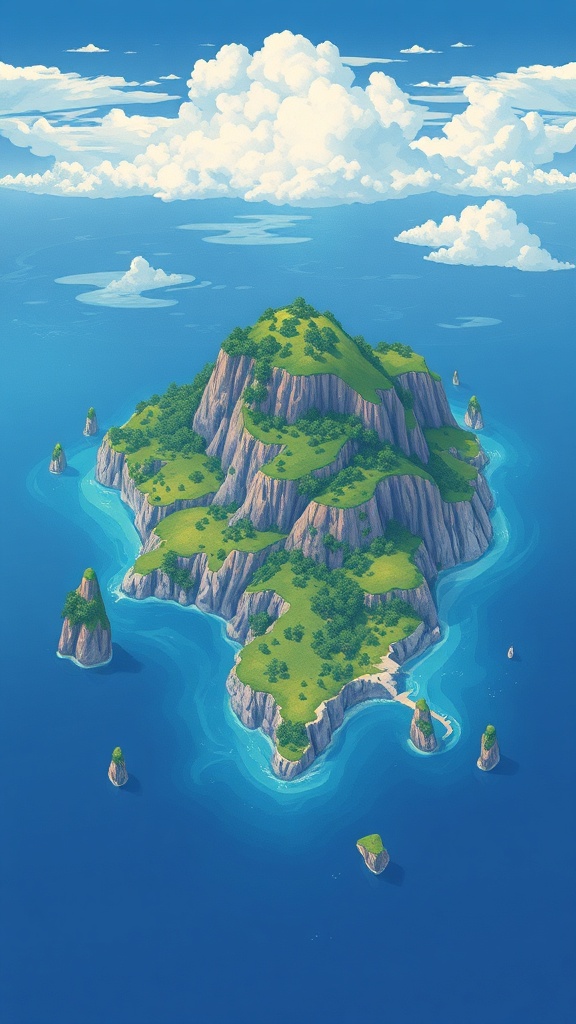
Community-based conservation projects often provide authentic experiences—volunteer beach cleanups, citizen-science reef monitoring, or visits to community-run nature reserves. Participating in or donating to verified local initiatives channels travel spending into long-term stewardship.
Best ways to experience island life
– Slow travel: Stay longer in one place to immerse yourself in local rhythms—market mornings, fishing returns, and sunset gatherings.
– Learn from locals: Take a cooking class, join a guided nature walk, or attend a cultural performance to gain deeper insight than a typical tourist itinerary allows.
– Mix active and relaxed days: Combine snorkeling or hiking with lazy beach afternoons to appreciate both island adventure and tranquility.
Islands reward curiosity and care.
Approach them with curiosity, follow local guidance, and prioritize sustainability—those choices create better experiences for travelers and healthier futures for island communities.
Plan with respect, and the islands will reveal their most memorable stories.