Islands: Living Laboratories of Biodiversity, Culture, and Climate Action
Islands: Living Laboratories of Biodiversity, Culture, and Climate Action
Islands capture the imagination: remote beaches, unique wildlife, tight-knit communities and ecosystems found nowhere else. They’re also frontlines for some of the most pressing environmental and social challenges. Understanding island dynamics—ecological, economic and cultural—helps travelers, policymakers and conservationists make smarter choices that protect these special places.
Why islands matter
– Biodiversity hotspots: Islands often host species that evolved in isolation, creating high levels of endemism. This makes islands invaluable for global biodiversity but also especially vulnerable to extinction.
– Cultural richness: Island communities preserve distinctive languages, food traditions and maritime knowledge passed down over generations.
– Climate signals: Islands are early indicators of climate impacts—coastal erosion, saltwater intrusion and shifting fish populations tend to show changes sooner than many continental areas.
Key pressures facing islands
– Climate and sea-level change: Rising seas and stronger storms erode shorelines, damage infrastructure and threaten freshwater supplies through saltwater intrusion.
– Habitat loss and invasive species: Introduced plants, rodents and predators can decimate native flora and fauna that have no natural defenses.
– Unsustainable tourism and development: Unchecked construction and mass tourism strain water resources, generate waste and harm coral reefs and coastal habitats.
– Economic dependency and vulnerability: Many island economies rely heavily on tourism and fisheries, making them sensitive to market swings and environmental shifts.
Solutions that work
– Community-based conservation: Empowering local communities to manage marine protected areas and fisheries yields better ecological outcomes and supports livelihoods.
– Nature-based coastal defenses: Restoring mangroves, seagrass beds and coral reefs reduces erosion, enhances biodiversity and buffers storm impacts while storing carbon.
– Invasive species management: Targeted eradication programs and strict biosecurity at ports and airports prevent new introductions and protect native species.
– Sustainable tourism practices: Limiting visitor numbers, promoting low-impact accommodations, enforcing waste management and encouraging cultural sensitivity help balance economic benefits with conservation.
Smart tips for island travelers
– Choose responsible operators: Look for accommodations and tour providers that demonstrate clear sustainability practices and benefit local communities.
– Pack reef-safe essentials: Reef-safe sunscreen and minimal single-use plastics reduce harm to marine life.
– Respect wildlife and cultural norms: Observe from a distance, avoid feeding wild animals, and learn local customs before arrival.
– Support the local economy: Eat local, buy artisanal goods and use local guides to keep tourism revenue within the community.
Opportunities for the future
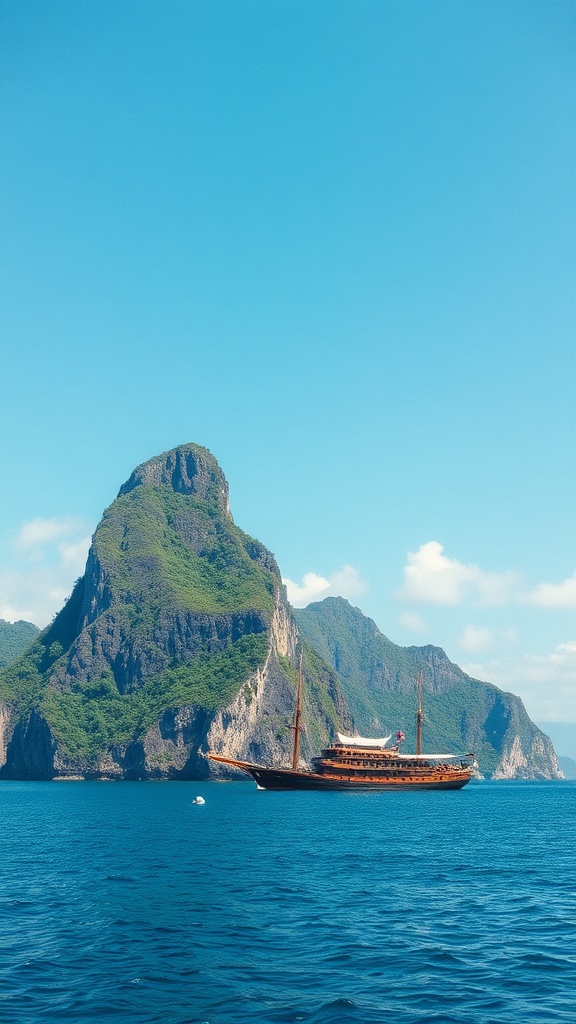
Islands are ripe for innovative solutions that combine traditional knowledge with modern technology—microgrids powered by wind and solar, community-based ecotourism, and coral restoration techniques that accelerate reef recovery. Strengthening international partnerships and financing mechanisms can help island communities enhance resilience while preserving the natural and cultural assets that make them unique.
Whether you’re planning a visit, supporting conservation, or studying climate impacts, islands offer a concentrated view of global environmental and social challenges—and equally concentrated opportunities for positive action. Make choices that protect island ecosystems and the communities who call them home, so these remarkable places remain vibrant for generations of visitors and residents alike.