Islands on the Frontline: Nature-Based Solutions and Community-Led Climate Resilience
Islands are frontline environments for climate impacts, biodiversity richness, and cultural resilience. Their isolation creates unique challenges — limited land, finite freshwater, and vulnerability to sea-level rise — but also opens opportunities for innovative adaptation. Today, many island communities are combining traditional knowledge with modern technology to build long-term resilience that safeguards ecosystems, livelihoods, and cultural heritage.
Why islands matter
Islands concentrate biodiversity and provide critical ecosystem services: coral reefs buffer storm waves, mangroves trap sediment and store carbon, and coastal fisheries feed local populations.
At the same time, many island economies rely heavily on tourism and fisheries, making them acutely sensitive to environmental change.
Protecting island resilience has global significance for biodiversity conservation, food security, and climate mitigation.
Practical resilience strategies
– Nature-based solutions: Restoring mangroves, seagrass beds, and coral reefs reduces erosion, improves fish nursery habitats, and stores carbon. These living defenses are often more cost-effective and sustainable than hard infrastructure.
– Community-led coastal planning: Local knowledge guides zoning that keeps development away from high-risk coastal zones, preserves critical habitats, and prioritizes public access. Participatory planning builds social cohesion and ensures solutions fit cultural and economic realities.
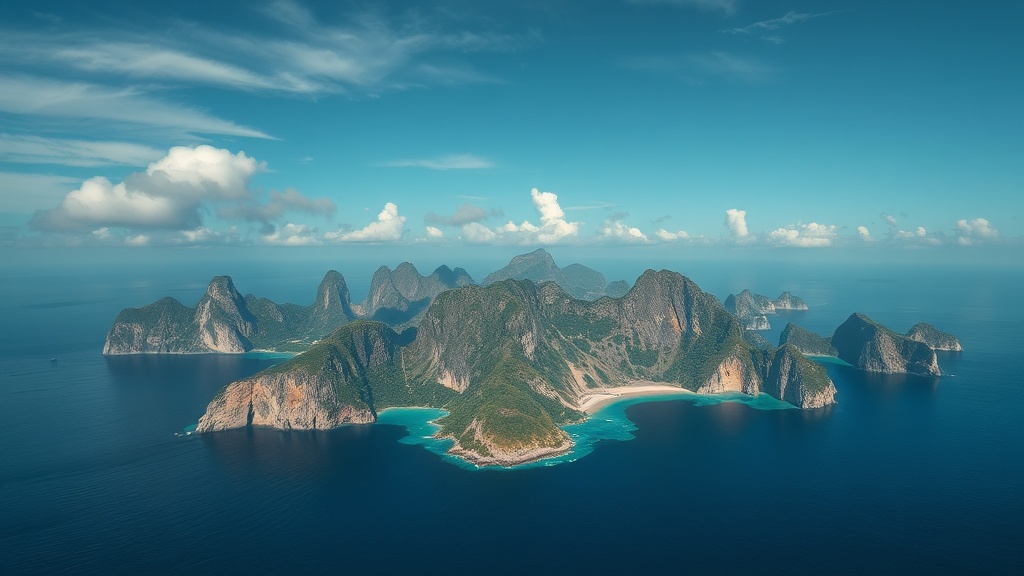
– Diversified, sustainable tourism: Shifting from mass tourism to low-impact, experience-based tourism spreads economic benefits and reduces pressure on ecosystems. Certification programs, visitor caps, and investments in local businesses help maintain island character and natural capital.
– Renewable energy microgrids: Islands can leapfrog fossil fuels by deploying solar, wind, and battery storage systems. Microgrids reduce fuel dependence, lower emissions, and increase reliability during extreme weather events.
– Water security and waste management: Rainwater harvesting, efficient irrigation, and sustainable wastewater treatment protect scarce freshwater resources. Circular waste strategies — composting, plastic reduction, and recycling — reduce pollution and protect marine life.
– Early warning systems and disaster preparedness: Investing in robust forecasting, evacuation planning, and resilient shelters saves lives and shortens recovery time after storms or floods.
– Coastal and engineered defenses used wisely: Where necessary, carefully designed seawalls, breakwaters, and elevated infrastructure can protect assets, but they should be combined with ecological approaches to avoid degrading adjacent habitats.
– Invasive species control and habitat protection: Preventing introductions and managing invasive species preserves native flora and fauna that are often found nowhere else on Earth.
Financing and partnerships
Scaling these solutions requires financing and partnership models that match island realities. Blended finance, public–private partnerships, and grant programs tailored to small-scale projects enable local action.
International cooperation and knowledge exchange help islands adopt proven approaches more quickly.
A role for technology and data
Remote sensing, drones, and community-based monitoring provide affordable ways to track coastline change, reef health, and land use. Data-driven planning supports targeted interventions and helps measure success over time.
People-first adaptation
Ultimately, resilience is as much social as it is physical.
Investing in education, diversified livelihoods, and the preservation of cultural heritage makes communities more adaptable. Empowering women, youth, and indigenous leaders strengthens governance and ensures that adaptation reflects community priorities.
Islands have long been places of adaptation — balancing scarcity and abundance, isolation and connection.
With thoughtful planning, nature-based solutions, and locally led innovation, they can remain vibrant places to live, visit, and conserve for generations to come.