Islands: Why They Captivate, the Threats They Face, and How You Can Help Protect Them
Islands: Why They Captivate—and How to Help Protect Them
Islands hold a special place in the imagination: isolated landscapes, distinct cultures, lush biodiversity and dramatic coastlines. Their isolation creates ecosystems found nowhere else, makes them hotspots for endemic species, and gives rise to cultural practices shaped by the sea. That uniqueness also brings fragility—small changes in climate, sea level, or human activity can have outsized impacts.
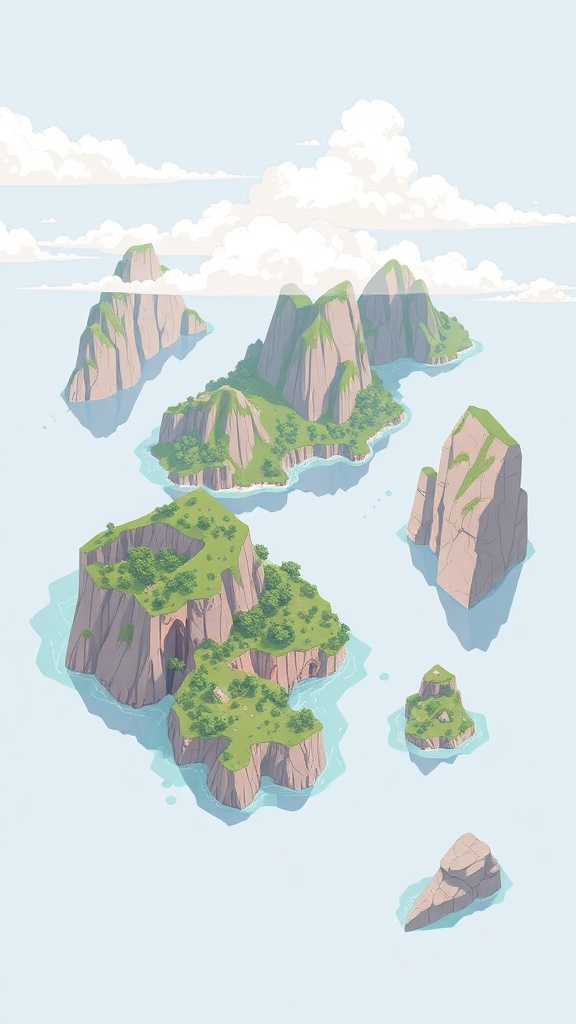
How islands form
– Volcanic islands rise from the ocean as magma builds under the sea floor.
Over time, eruptions form land rich in new rock and soil, often creating layered ecosystems.
– Continental islands are fragments of continental crust separated by rising seas or shifting plates, often carrying mainland flora and fauna.
– Coral islands and cays form from reef-building organisms; their health depends on coral vitality and stable sea conditions.
Why islands matter for biodiversity
Isolation drives evolution.
Species on islands often evolve along unique paths, producing endemic plants, birds, and insects found nowhere else. That makes islands both biological treasures and conservation priorities. At the same time, limited range and small population sizes make island species especially vulnerable to extinction from habitat loss, invasive predators, disease and climate impacts.
Key threats and responses
– Sea-level rise and storm surge: Coastal erosion, habitat loss and saltwater intrusion into freshwater lenses reduce habitable land.
Natural buffers such as mangroves and coral reefs are powerful defenses; restoring and protecting them is a high-impact strategy.
– Invasive species: Rats, feral cats, invasive plants and insect pests can decimate native populations. Carefully planned eradication programs and strict biosecurity measures at ports and airports are essential to protect island ecosystems.
– Coral decline and warming seas: Coral bleaching undermines fisheries and tourism. Protecting water quality, reducing local stressors and supporting coral restoration projects help reefs recover.
– Resource limits and waste: Small islands often lack large-scale waste infrastructure and freshwater reserves. Investing in recycling, composting, rainwater capture and solar or wind power increases resilience.
Sustainable travel tips for island visitors
– Respect local rules and cultures; local communities steward the land and water.
– Use reef-safe sunscreen and avoid touching coral; follow snorkel and dive guidance to prevent damage.
– Pack light but bring reusable items—water bottle, bag, and utensils—to reduce single-use waste.
– Stay on marked trails and avoid disturbing nesting areas or fragile habitats.
– Choose locally owned accommodations and operators to ensure tourism benefits communities.
– Learn basic biosecurity: clean gear and luggage to avoid transporting seeds, insects or rodents.
Community-driven solutions
Long-term island resilience often depends on community leadership. Community-based tourism, locally managed marine areas, traditional knowledge integration, and capacity building can deliver conservation outcomes while supporting livelihoods. Decentralized renewable energy systems reduce reliance on imported fuels and lower costs, while desalination paired with renewable power addresses freshwater scarcity without large carbon footprints.
Islands inspire wonder and demand careful stewardship. Whether visiting for a brief stay or supporting conservation from afar, actions that protect habitats, respect cultures and reduce environmental footprints help ensure islands remain vibrant and resilient for generations to come.