Lessons from Islands: Building Resilient, Renewable Communities
Islands as laboratories for resilient, renewable communities
Islands face unique challenges — remote grids, high energy costs, limited land, and acute exposure to storms and sea-level change.
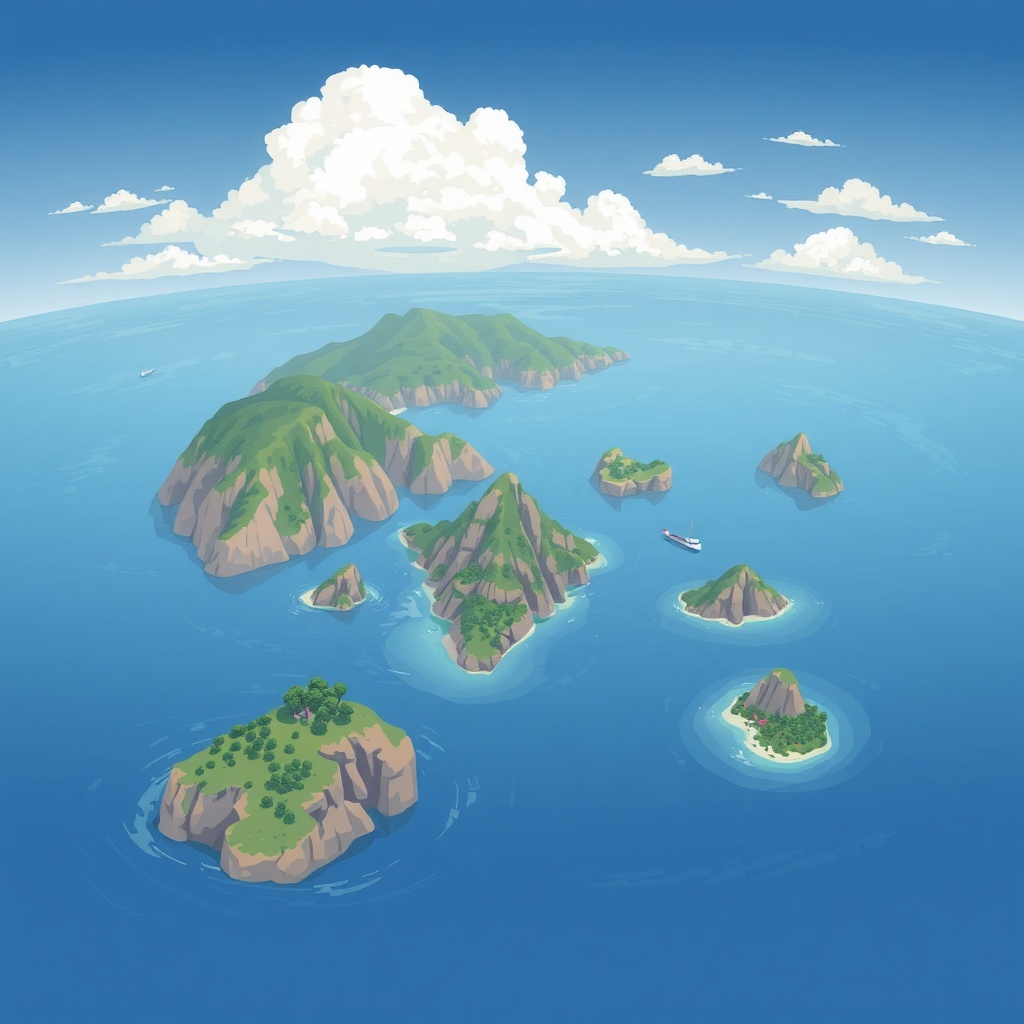
Those constraints have also made island communities early adopters of solutions that blend renewable energy, smart planning, and nature-based protection. The result: practical models that mainland regions can learn from when building resilient, low-carbon systems.
Why islands lead on energy transition
Isolated electricity systems and hefty fossil fuel import bills create a strong incentive to switch to local resources.
Solar photovoltaic arrays, wind turbines, geothermal wells, and tidal systems are being paired with battery storage and modern controls to stabilize grids. Microgrids and community-scale projects reduce outage risk from extreme weather while cutting costs and emissions.
Where land is scarce, floating solar, rooftop installations, and integrated wind-solar-storage designs make efficient use of space.
Beyond electricity: water and transportation
Freshwater resilience and clean transport are natural complements to island energy strategies. Solar-powered desalination and rainwater harvesting reduce dependence on fuel-powered pumps. Electrifying ferries, buses, and municipal fleets further lowers vulnerability to fuel supply shocks and improves air quality. Coupling renewables with hydrogen production offers a pathway for heavy transport and inter-island shipping where batteries may be less practical.
Nature-based resilience multiplies benefits
Protecting and restoring mangroves, seagrass beds, and coral reefs provides shore protection, supports fisheries, and sequesters carbon.
These ecosystems buffer storm surge, reduce erosion, and enhance biodiversity, delivering benefits that engineered infrastructure alone cannot. Integrating natural defenses with hard infrastructure—such as living shorelines or submerged breakwaters—creates flexible, cost-effective protection.
Community ownership and equitable growth
Successful island transitions often prioritize local involvement. Community-owned energy cooperatives and public-private partnerships can keep revenue local, create jobs, and increase public support. Workforce training in renewable installation, maintenance, and marine ecosystem management builds skills that strengthen long-term resilience. Equitable planning ensures that the benefits of green investment reach households across the island, including those most vulnerable to climate impacts.
Financing and policy tools that work
Islands frequently tap blended finance—combining grants, concessional loans, and private investment—to make projects bankable. Performance-based contracts, energy service agreements, and green bonds attract capital by reducing upfront costs and sharing risk.
Clear regulatory frameworks and streamlined permitting accelerate deployment; predictable policies invite long-term investment and technology transfer.
Actionable steps for island planners and communities
– Conduct integrated risk and resource assessments to map renewable potential and climate vulnerabilities.
– Start with high-impact, modular projects: rooftop solar with batteries or a microgrid for critical facilities.
– Prioritize nature-based solutions for coastal protection alongside engineered options.
– Foster local ownership and training programs to secure social license and long-term maintenance.
– Explore blended finance and technical partnerships to stretch limited budgets.
Islands continue to be practical proving grounds for resilient, low-carbon systems. By combining local resources, community-led governance, nature-based protection, and smart financing, island communities are creating adaptable models that others can replicate. For planners and decision-makers, the lesson is clear: strategic, integrated approaches unlock resilience, economic benefits, and environmental stewardship all at once.