Moving to Portugal: The Complete Guide for Remote Workers, Expats, and Digital Nomads
Portugal consistently ranks among the most attractive countries for remote workers, expats, and travelers — and for good reasons. A blend of reliable infrastructure, welcoming residency options, affordable living, robust healthcare, and a rich cultural scene make it an easy choice for those seeking a high quality of life without sacrificing connectivity or opportunity.
Why Portugal stands out
Portugal offers a mix of urban energy and laid-back coastal charm.
Lisbon and Porto deliver vibrant startup ecosystems, international cuisine, and plentiful coworking spaces, while smaller towns and the Algarve coast provide quieter, sun-drenched alternatives. Add mild climate, strong English proficiency in urban areas, and one of the safest environments in Europe, and the appeal becomes clear.
Visas and residency paths
Several residency routes cater to long-term visitors and remote workers. A digital nomad visa provides a straightforward path for self-employed professionals and remote employees who meet income requirements. Other options include work permits, family reunification, and tax regimes designed to attract high-skilled professionals. Recent policy changes have simplified some processes and clarified requirements, making planning and application smoother than before.
Connectivity and infrastructure
High-speed internet is widely available in cities and many coastal towns, with fiber networks and reliable mobile broadband common in popular expat hubs.
Coworking spaces and business centers are plentiful in Lisbon and Porto and increasingly present in secondary cities. Portugal’s international airports offer good connectivity to Europe, Africa, and the Americas, making travel for business or leisure convenient.
Cost of living and housing
Compared with many Western European capitals, the cost of living in Portugal is competitive. Rent and property prices vary by region: Lisbon and coastal tourist areas are pricier, while inland towns and smaller cities offer more affordable options. Grocery prices, public transportation, and dining out remain reasonable, especially when choosing local markets and cafes. Property rental markets can be tight in high-demand neighborhoods, so planning ahead and working with local agents pays off.
Healthcare and safety
Portugal’s healthcare system blends public services with private options. Public healthcare provides broad coverage and is accessible to residents; private clinics are popular for shorter waits and English-speaking staff.
Portugal is also known for low crime rates and general personal safety, which contributes to a comfortable daily life for newcomers.
Culture, food, and lifestyle
Portuguese culture centers on food, community, and outdoor living. Seafood is a highlight, from coastal sardines to refined dishes in urban restaurants.
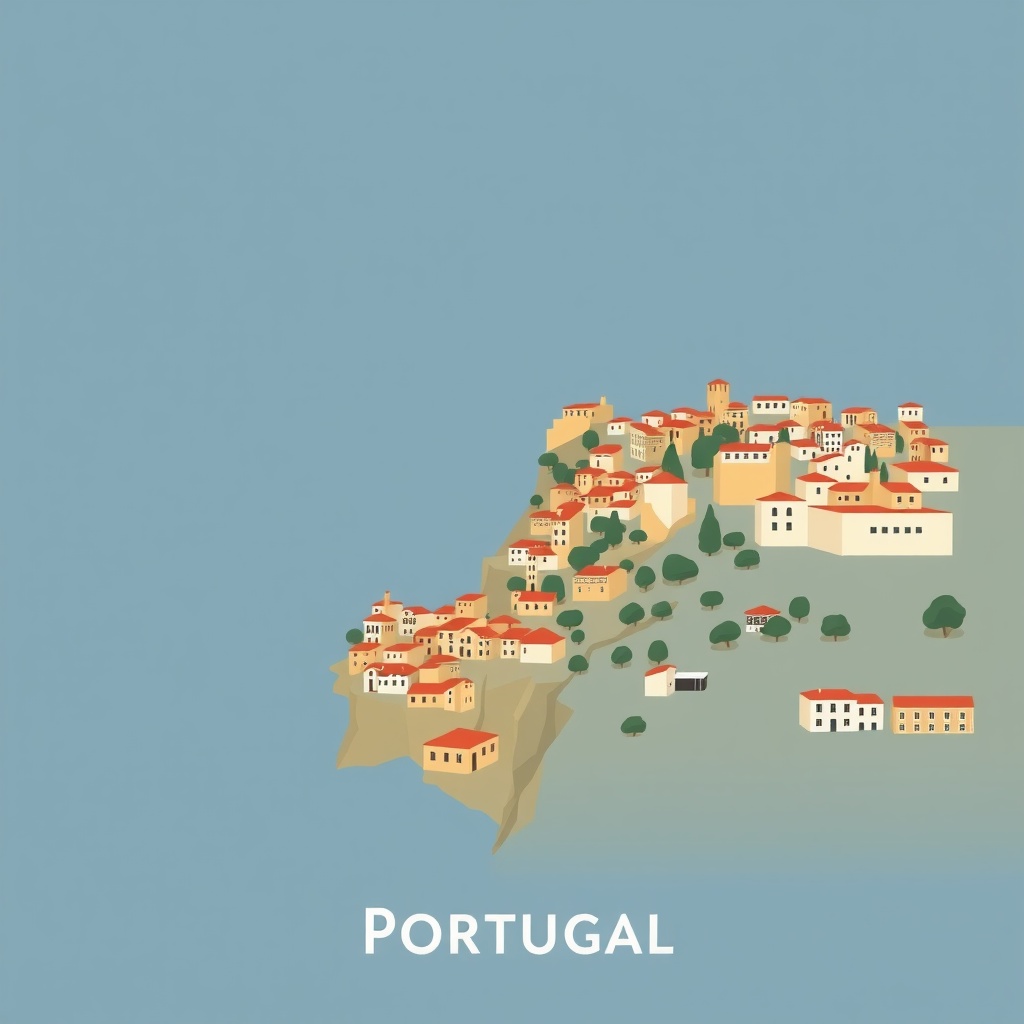
Wine regions like the Douro are world-renowned, and an expanding culinary scene means innovative dining alongside traditional taverns. Weekends are ideal for exploring sonorous historic neighborhoods, surfing world-class breaks, or hiking coastal trails.
Tips for moving and settling
– Research visa requirements early and gather documentation well in advance.
– Choose a first base that matches your lifestyle priorities: city energy, seaside calm, or rural quiet.
– Try short-term rentals before committing to a long lease or purchase to get a feel for neighborhoods.
– Tap into local expat communities and coworking networks for practical advice and social connections.
– Learn basic Portuguese phrases — locals appreciate the effort, and it eases everyday tasks.
Portugal’s mix of modern amenities and timeless charm makes it a practical and inspiring base for work and life.
For professionals weighing relocation options, it offers a balanced proposition: strong infrastructure and quality services, combined with an exceptional lifestyle that keeps both productivity and wellbeing in focus.