Protecting Island Biodiversity: Sustainable Travel, Community Solutions & Climate Resilience
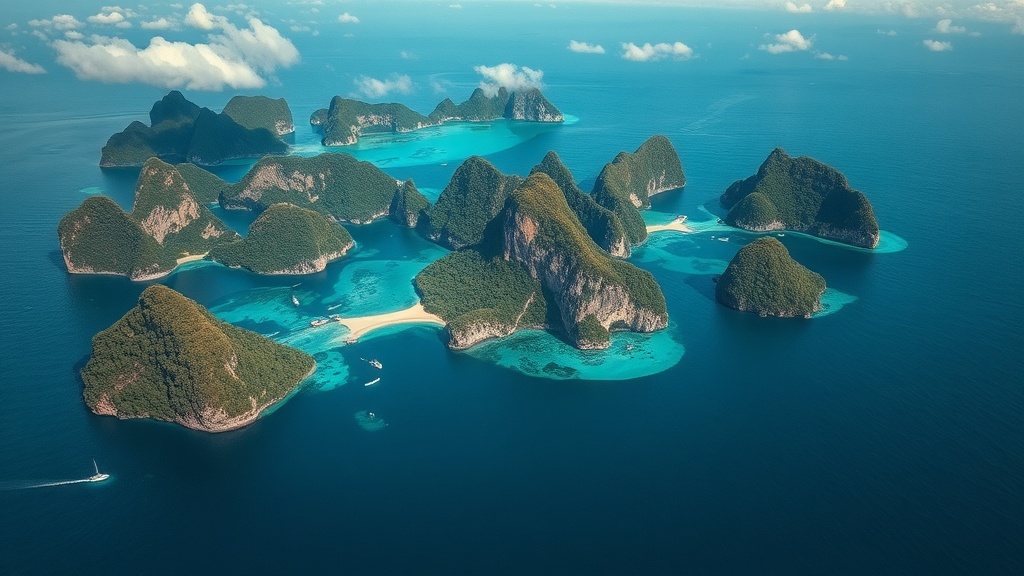
Islands have a unique allure: turquoise waters, rugged coastlines, and ecosystems found nowhere else. Beyond picture-postcard scenery, islands are hotspots of biodiversity, cultural resilience, and innovation in sustainable living. Understanding the opportunities and challenges they face can help travelers, policy makers, and residents preserve island life for generations to come.
Why islands matter
Islands often host endemic species—plants and animals that evolved in isolation and exist only on a single island or archipelago. That isolation makes island ecosystems both fascinating and fragile. Coral reefs, mangroves, and coastal wetlands around islands provide critical nursery habitats for fish, protect shorelines from storms, and support local fisheries and tourism.
At the same time, limited land area and small populations can magnify impacts from invasive species, development, and pollution.
Key challenges
– Climate and sea-level impacts: Low-lying islands and coastal communities face shifting shorelines, saltwater intrusion, and changing weather patterns that affect freshwater supplies, agriculture, and infrastructure. Coral bleaching, driven by warmer seas, threatens reef biodiversity and fisheries.
– Biodiversity loss: Introduced predators, habitat fragmentation, and overharvesting can rapidly reduce native wildlife. Islands have seen disproportionate extinctions historically, which makes prevention and recovery important priorities.
– Economic vulnerability: Many island economies depend heavily on tourism and a narrow range of exports, making them sensitive to global market shifts and travel disruptions.
– Waste management: Limited land for disposal and logistical challenges can lead to pollution and marine debris that harm wildlife and human health.
What’s working: resilient solutions
– Community-led conservation: Local stewardship—ranging from marine protected areas to invasive species removal—has delivered measurable gains when communities lead design and enforcement.
– Sustainable tourism models: Small-scale, locally run accommodations and activity providers can spread tourism benefits more equitably while reducing the ecological footprint of visitors.
– Nature-based defenses: Restoring mangroves, dunes, and coral reef habitats can buffer shorelines more affordably and sustainably than hard infrastructure alone.
– Renewable energy and microgrids: Islands often leapfrog legacy systems by adopting solar, wind, and battery storage to reduce reliance on costly imported fuels while improving resilience.
Responsible island travel: practical tips
– Choose locally owned businesses: Spend where it supports local families, guides, and conservation efforts.
– Minimize plastic and waste: Bring reusable water bottles and bags; avoid single-use plastics that too often become marine debris.
– Respect marine life: Never touch or stand on coral; use reef-safe sunscreen; follow local guidelines for wildlife encounters.
– Learn cultural protocols: Islands often have strong traditions and sacred sites—ask before photographing or entering special areas.
– Offset thoughtfully: If offsetting travel emissions, prioritize verified projects that deliver social and environmental co-benefits in island communities.
How to get involved
Support conservation organizations that partner directly with island communities, volunteer with habitat restoration projects, or choose travel operators that fund local conservation. For residents and leaders, prioritizing integrated planning—combining coastal habitat restoration, sustainable fisheries management, and renewable energy—builds stronger, more adaptable island economies.
Islands offer vital lessons about living with limited resources, the value of biodiversity, and the power of community-driven solutions. Whether visiting for a weekend or planning a longer stay, making thoughtful choices can help ensure islands remain vibrant places for people and nature alike.
Plan trips and policies that leave island environments healthier than you found them.