Recommended: Hotel Trends: Sustainability, Contactless Tech & Guest-Centric Experiences
How hotels are evolving: sustainability, technology, and guest experience
Hotels are shifting from simple overnight stays to curated experiences that reflect guest values and changing travel habits. Whether you’re planning a trip or managing a property, understanding the key trends shaping modern hospitality helps you choose better stays and make smarter investments.
Sustainability as a baseline
Sustainability has moved from niche to mainstream. Guests now expect visible green practices: energy-efficient lighting, low-flow fixtures, linen-reuse programs, plastic-free toiletries, and on-site recycling or composting. Leading properties go further with local sourcing for food and amenities, rooftop gardens, and partnerships with nearby conservation groups.
For travelers, look for third-party certifications or clear sustainability pages on hotel websites.
For operators, small changes—LED retrofits, smart thermostats, and supplier audits—deliver measurable savings and marketing value.
Contactless and seamless tech
Contactless check-in, mobile keys, and digital concierge services are standard demands.
These features speed arrival and reduce friction, while data-driven personalization tailors offers and room settings to repeat guests. Investing in interoperable systems and strong cybersecurity protects guest data and builds trust.
Tech should enhance hospitality, not replace it: maintain human staff for complex requests and genuine local recommendations.
Wellness and outdoor-friendly design
Wellness extends beyond a gym. Hotels emphasize sleep quality, air filtration, in-room fitness options, healthy F&B menus, and quiet zones for focused work or meditation. Outdoor amenities—rooftop lounges, patios, walking trails, and poolside service—appeal to guests seeking fresh-air experiences. Design choices that prioritize natural light, biophilic elements, and flexible communal spaces create calming, multifunctional environments.
Local experiences and authenticity
Travelers prize authenticity over generic luxury. Curating local experiences—chef-led market tours, art walks, cultural workshops, or partnerships with neighborhood artisans—keeps stays memorable. Small touches like regionally sourced welcome gifts or in-room guides to hidden local spots can enhance reviews and direct bookings.
Flexible policies and transparent pricing
Flexibility in cancellations and change policies continues to influence booking decisions. Transparent pricing—clear nightly rates without hidden resort fees—builds loyalty and improves conversion rates on direct-booking channels. Loyalty programs that reward repeat stays, offer personalized perks, and integrate local experiences encourage guests to book directly rather than through third-party platforms.
Boutique vs. branded experiences
Both boutique and branded hotels have distinct advantages. Boutique properties offer unique design, local flavor, and often stronger social-media appeal. Branded hotels provide predictable quality, large loyalty networks, and operational resources like centralized reservations and revenue management tools.
Hybrid strategies—independent properties adopting smart PMS systems and loyalty integrations—help capture the best of both worlds.
Pet-friendly and family-focused options
Pet travel and multigenerational trips are common booking drivers. Thoughtful pet policies, on-site pet amenities, and family suites with flexible sleeping arrangements broaden market reach.
Communicate rules and fees clearly to avoid surprises and negative reviews.
Practical tips for travelers
– Read recent guest reviews to verify cleanliness and service standards.
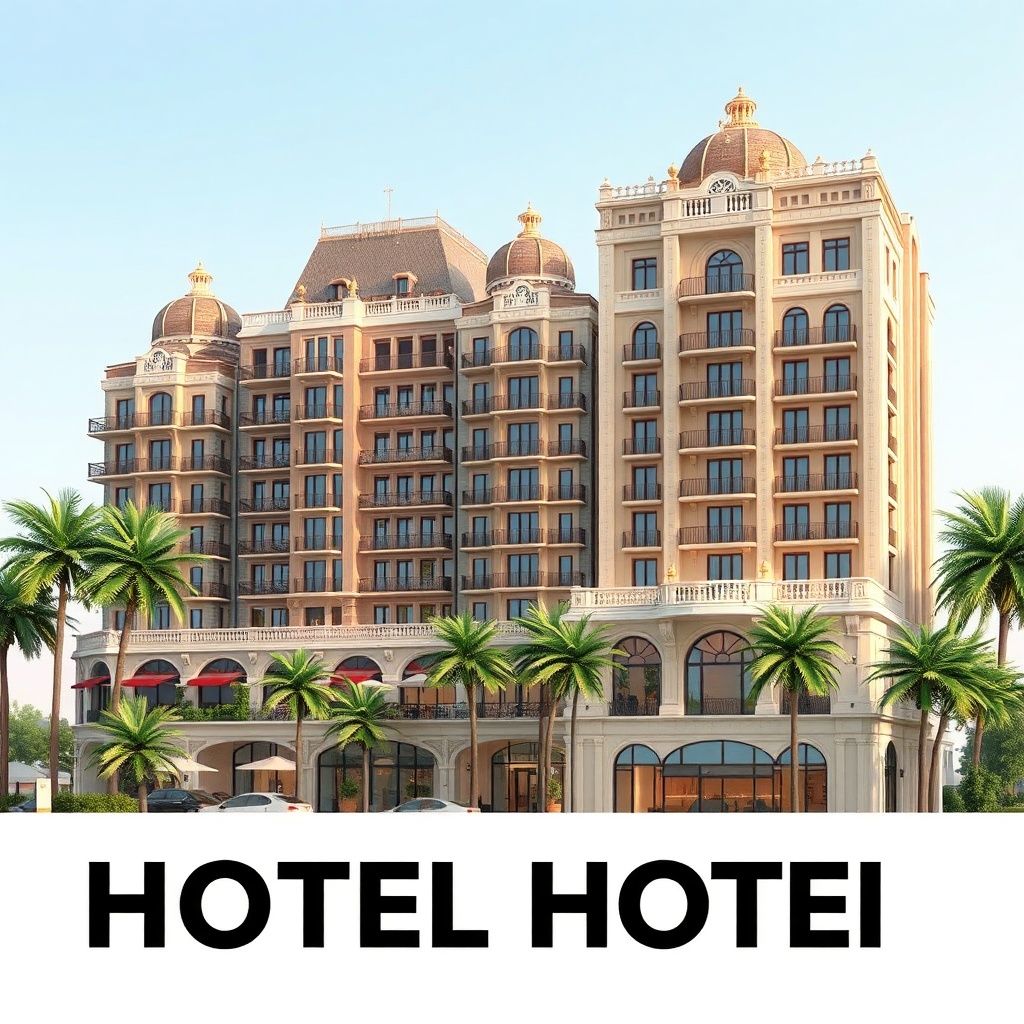
– Check the hotel’s sustainability and safety pages for specific practices.
– Book directly for better cancellation terms and loyalty benefits.
– Ask about late checkout, workspace options, and on-site experiences before arrival.
The hotel landscape is increasingly guest-centric: sustainable operations, thoughtful tech, wellness-first design, and authentic local curation shape memorable stays. Properties that align operational decisions with these priorities can boost occupancy, guest satisfaction, and long-term profitability. Travelers benefit by choosing hotels that match their values and needs, creating richer, more seamless journeys.