Remote Work in Portugal: Best Cities, Visas, Cost of Living & Moving Tips
Portugal has fast become one of the most attractive places in Europe for remote workers, entrepreneurs, and anyone seeking a high-quality lifestyle with modern infrastructure. A blend of mild climate, reliable broadband, vibrant cities, and relaxed coastal towns makes it easy to balance productivity and leisure.
Why Portugal stands out
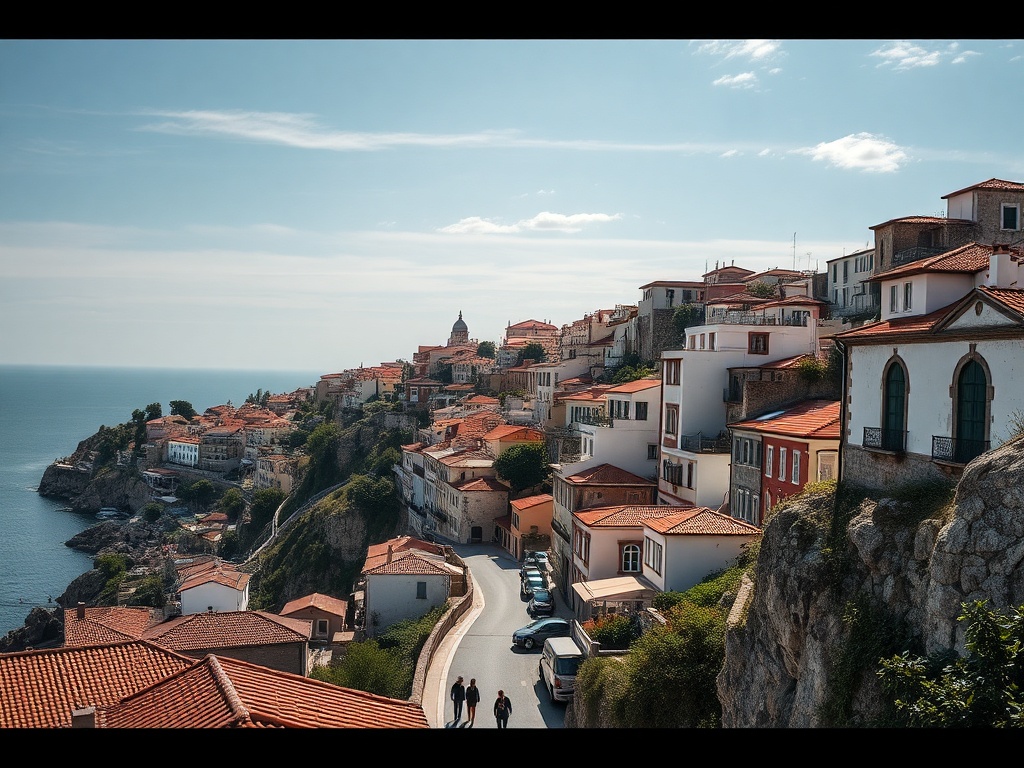
– Climate and lifestyle: Long stretches of coastline, plenty of sunshine, and diverse landscapes—from dramatic cliffs to rolling vineyards—encourage an active, outdoor lifestyle. Beaches, surf spots, hiking trails, and accessible national parks are never far away.
– Connectivity: Major cities and many towns offer fast, affordable internet and growing numbers of coworking spaces. Reliable connectivity makes Portugal a practical choice for those whose work depends on video calls and cloud services.
– Cost and quality of life: Compared with many western European capitals, everyday costs can be lower while maintaining high standards in food, healthcare, and public services.
Dining out, local produce, and cultural activities deliver strong value.
– Culture and safety: Rich cultural scenes, historic neighborhoods, and a reputation for safety make Portugal comfortable for newcomers. English is widely spoken in urban centers and tourist regions, easing the transition.
Where to base yourself
– Lisbon: The capital combines international business hubs, startup activity, and lively neighborhoods.
It’s ideal for those seeking networking opportunities, cultural events, and extensive transport links.
– Porto: Smaller and more affordable than Lisbon, Porto offers a compact city center, growing tech scene, and proximity to the Douro Valley’s wine country.
– Algarve: Known for its beaches and golf courses, the Algarve suits those prioritizing sun, outdoor life, and quieter towns with seasonal vibrancy.
– Madeira and the Azores: Island life appeals to nature lovers. Madeira has developed infrastructure for remote workers, with a mild microclimate and active digital nomad communities.
Practical considerations
– Visas and residency: Several pathways exist for stays ranging from short-term remote work to longer residency. Requirements, processing times, and benefits differ by visa type, so it’s important to research current options and consult immigration professionals when needed.
– Taxes and finances: Portugal offers tax programs that can be advantageous for new residents, but rules vary and are subject to change. A local accountant can clarify obligations and planning strategies.
– Local paperwork: Securing a tax identification number (NIF) is often essential for services like banking, mobile contracts, and rentals. Many expats use relocation services to smooth this process.
– Healthcare and insurance: Public healthcare is high quality, and private options are accessible. Consider international or local health insurance during initial months until residency and local coverage are in place.
– Language and integration: Learning basic Portuguese helps with everyday tasks and deeper integration.
Local classes, language exchange meetups, and community events provide practical practice and social connections.
Tips for a smooth move
– Try before committing: Short-term stays or coworking residencies allow testing neighborhoods, broadband, and commute times before signing longer leases.
– Join local networks: Meetup groups, coworking communities, and expat forums accelerate social and professional integration.
– Be mindful of seasonal differences: Coastal towns can be quiet outside peak tourist months, while cities maintain year-round services and activity.
Portugal offers a compelling mix of modern amenities and relaxed living, making it a top choice for remote workers and anyone seeking a balanced lifestyle. With careful planning around visas, taxes, and local logistics, it’s possible to enjoy a productive work life alongside Portugal’s renowned culture, cuisine, and natural beauty.