Slow Travel Guide: Practical Tips, Sustainable Choices & Top Destinations for Immersive Trips
Slow travel is reshaping how people choose and enjoy destinations. Instead of rushing from landmark to landmark, the slow travel approach encourages deeper connections with place, culture, and community. This movement suits anyone who wants richer experiences, lower environmental impact, and a more relaxed pace — whether for a weekend escape or an extended stay.
Why slow travel works
– Deeper cultural immersion: Staying longer allows time to learn language basics, shop at local markets, and understand daily rhythms.
– Cost efficiency: Longer stays often unlock discounts on accommodations and reduce transportation costs from frequent transfers.
– Lower environmental impact: Fewer flights and more ground transport reduce carbon footprint, while supporting local businesses keeps tourism dollars in the community.
– Better memories: Experiences lived over days or weeks — like learning a regional cooking technique or following a seasonal harvest — create lasting memories that pass by quickly on a checklist tour.
Choosing the right destination
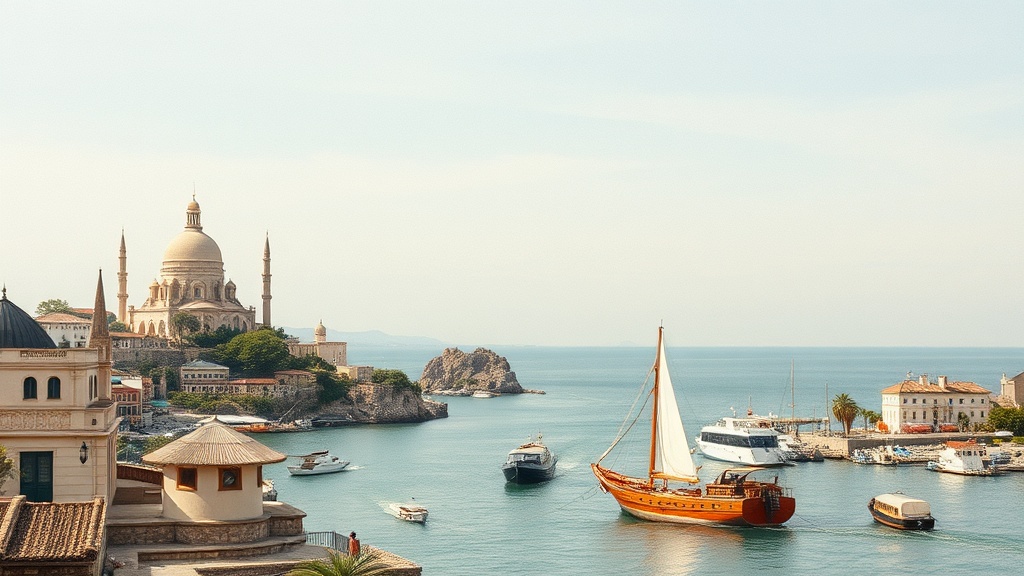
Pick places that reward time: small towns, coastal regions, national parks, and cities with distinct neighborhoods.
Look for destinations with:
– Good public transport or walkable centers
– Local markets, artisan communities, and food scenes
– Outdoor options for day trips (trails, beaches, scenic drives)
– A slower tourist calendar or well-managed visitor capacity
Practical tips for planning
– Book flexible accommodation: Apartments, guesthouses, and small inns often provide kitchen access and a taste of daily life.
Look for hosts who offer local tips.
– Travel by rail and road: Trains and buses connect many regions efficiently and let you see the landscape.
Overnight sleepers and scenic routes are a pleasant way to travel between slow-travel hubs.
– Pack smart: Lightweight clothing, a reusable water bottle, and a daypack make moving between neighborhoods easier. Include a portable charger and basic first-aid supplies.
– Learn basic phrases: Even a few words in the local language opens doors and earns goodwill.
– Schedule buffer days: Leave room for spontaneous discoveries and rest; those unexpected detours often become trip highlights.
Connect with locals
– Join small workshops: Cooking classes, pottery, or farm visits provide hands-on learning and direct contact with artisans.
– Visit neighborhood markets and cafes: Daily hangouts reveal authentic flavors and conversations you won’t find in tourist districts.
– Volunteer or participate in community events: Responsible volunteer opportunities offer a meaningful way to give back while learning about local priorities.
Sustainable choices that matter
– Choose accommodations that practice water and energy conservation.
– Support small businesses — craftspeople, family restaurants, and independent guides — rather than large international chains.
– Offset travel emissions thoughtfully if flying is unavoidable, and prioritize rail or bus where feasible.
– Respect local customs and natural habitats: follow trail guidelines, avoid single-use plastics, and observe wildlife from a distance.
Measuring success
A slow-travel trip feels less like a list and more like a chapter.
Success looks like learning a new recipe, making a local friend, finishing a book in a quiet square, or simply appreciating the rhythm of a place.
These meaningful experiences are the essence of memorable travel.
Whether exploring a regional coastline, a mountain valley, or a lesser-known city neighborhood, slow travel invites curiosity, patience, and respect.
Plan with intention, travel lightly, and let the destination reveal itself at its own pace.