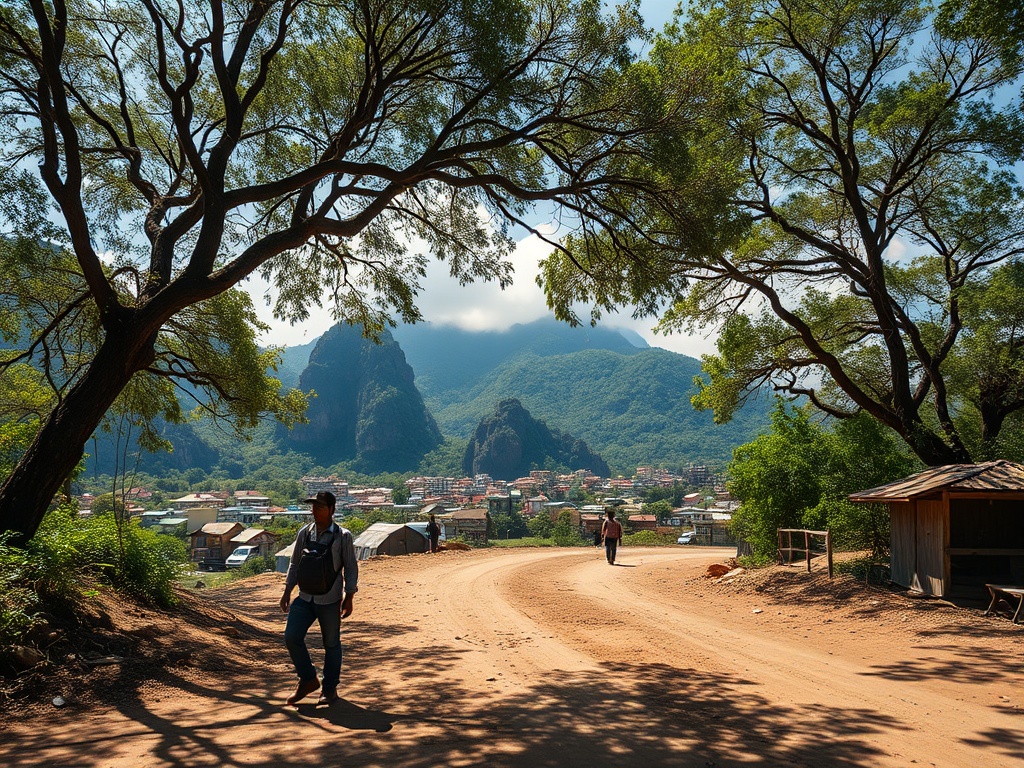
Slow Travel: How to See More, Spend Less, and Connect Deeper
Slow travel is more than a trend—it’s a practical way to see more, spend less, and connect deeper with a place. Instead of cramming dozens of cities into a short trip, slow travel prioritizes time, local life, and sustainable choices. Whether you’re planning a long getaway, a workation, or simply a more mindful weekend, these strategies help you travel smarter and return with richer memories.
Choose quality over quantity
– Pick fewer destinations and stay longer. Spending several days or weeks in one town gives you time to explore neighborhoods, build relationships with shopkeepers, and discover hidden spots that guidebooks miss.
– Focus on regions rather than point-to-point sightseeing. A base city with day-trip options reduces transit stress and opens up slower, scenic routes.
Travel deliberately
– Opt for surface transport when possible. Trains and buses offer landscape views, opportunities to meet locals, and lower carbon footprints than short-haul flights.
– Plan a loose itinerary: mark must-see sights but leave plenty of blank days for spontaneous discoveries. Flexibility is a core advantage of slow travel.
Live like a local
– Rent an apartment or stay in a family-run guesthouse. Having a kitchen, neighborhood market, and a front-door routine transforms travel into living rather than sightseeing.
– Learn a few phrases in the local language. Basic greetings and thank-yous open doors and earn goodwill.
– Shop and eat where residents do. Markets, bakeries, and neighborhood cafés often deliver the most authentic flavors and the best prices.
Prioritize experiences over possessions
– Invest in activities that teach or connect—cooking classes, artisan workshops, guided nature walks, or volunteering. These create lasting memories and support local economies.
– Attend community events like markets, small concerts, or festivals. They give context to a place’s culture and daily rhythms.
Pack for a slower pace
– Travel light and versatile. Fewer, well-chosen items reduce hassle and encourage movement between neighborhoods or short relocations.
– Bring essentials that support longer stays: compact laundry supplies, comfortable walking shoes, and a reusable water bottle or coffee cup to cut costs and waste.
Budget with intention
– Longer stays often lower per-day costs. Weekly or monthly rental rates, grocery shopping, and fewer transit expenses add up.
– Track shared economy options that benefit long-term visitors: coworking subscriptions, community fitness classes, or local SIM/data packages.
Be mindful and sustainable
– Respect local norms, avoid overtourism hotspots during peak hours, and support small businesses. Small choices—like reusable products, public transport, and responsible wildlife encounters—make a big difference.
– Offset travel impacts by choosing greener accommodations, staying longer in fewer places, and engaging with conservation-minded tours.
Use technology to enhance, not replace, the experience
– Apps for local transit, language basics, and neighborhood maps help you navigate without constant tourist-mode stress.
– Avoid over-reliance on reviews; mix top-rated spots with off-the-grid recommendations from locals or community groups.
Slow travel rewards patience and curiosity. By moving at a human pace, you’ll discover quieter streets, better conversations, and a more authentic connection to the places you visit. Start small—extend one weekend into a week away—and let the benefits of slower exploration reshape how you travel.