Sustainable Island Solutions: Conservation, Renewable Energy & Responsible Tourism
Islands hold a unique allure: remote beaches, rare wildlife, distinct cultures and economies shaped by the ocean.
That allure also comes with special responsibilities. With rising visitor interest and growing environmental pressures, islands are leading the charge on innovative solutions for biodiversity conservation, energy independence, and sustainable tourism.
Why islands matter
Islands concentrate biodiversity — many species are found nowhere else. They also act as natural buffers, with mangroves, reefs and seagrass mitigating storm surges and storing carbon. That combination makes islands critical for global ecological health and for the livelihoods of millions who depend on fisheries, tourism and coastal protection.
Environmental challenges and resilient responses
Islands face disproportionate impacts from coastal erosion, sea-level changes, coral bleaching and invasive species. At the same time, limited land area and resource constraints drive creative responses. Community-led restoration projects are expanding mangrove and coral rehabilitation, while invasive species control programs protect endemic birds and plants. Marine protected areas are becoming more strategic, connecting reef systems to support fish populations and tourism that doesn’t degrade natural assets.
Renewable energy and microgrids
Energy independence is a major priority. Island grids are often isolated and expensive to run on imported fossil fuels, so many communities are pivoting to solar, wind and energy storage.
Distributed microgrids reduce outages, lower costs, and expand opportunities for clean water and cold storage for fisheries. Integrating electric ferries and shore power also reduces emissions and improves air quality in port towns.
Sustainable tourism that benefits locals
Responsible travel is essential on islands where carrying capacity is limited. Sustainable tourism models prioritize locally owned accommodations, fair employment, and cultural sensitivity. Low-impact practices — such as limiting single-use plastics, enforcing visitor caps at sensitive sites, and offering interpretive education — preserve attractions longer and create better experiences for visitors. Businesses that reinvest in community infrastructure and conservation generate resilient local economies.
Blue economy opportunities
The “blue economy” concept emphasizes sustainable use of ocean resources for economic growth, improved livelihoods and ocean ecosystem health. For islands, this includes sustainable aquaculture, regenerative fishing practices, seaweed farming, and marine ecotourism. These approaches diversify income and reduce pressure on fragile habitats when managed with scientific monitoring and community governance.
Tips for visitors who want to help rather than harm
– Choose operators and accommodations that employ local staff and support conservation efforts.
– Reduce single-use plastics, pack reusable water bottles, and follow local waste rules.
– Respect wildlife: observe from a distance, avoid touching corals, and follow guidance for interacting with marine mammals or nesting birds.
– Support local markets and businesses to keep tourism dollars in the community.
– Opt for low-impact activities like guided nature walks, snorkeling with licensed guides, and cultural tours run by local organizations.
The value of local leadership
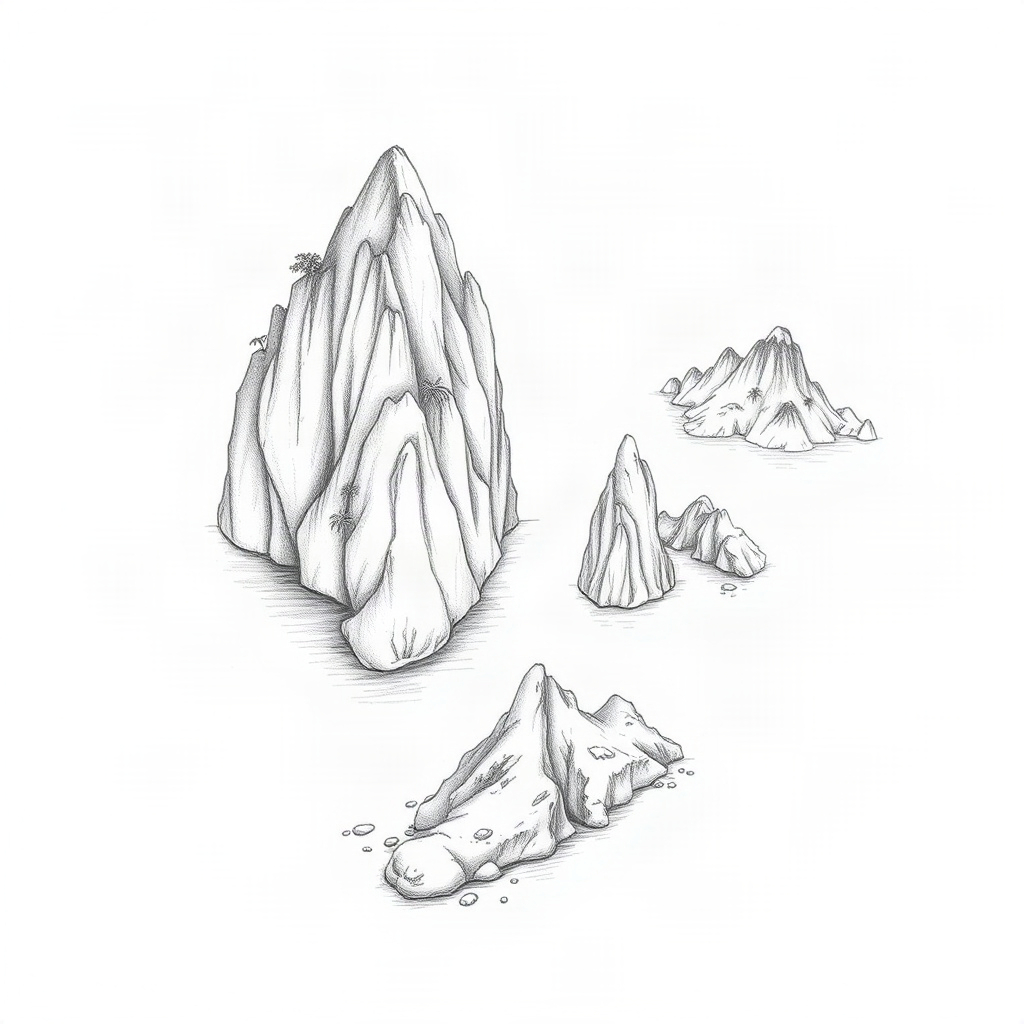
Long-term island resilience depends on local knowledge and leadership.
Partnerships between communities, scientists, and responsible investors can fund restoration, create green jobs and build adaptive infrastructure. Policies that safeguard cultural heritage alongside natural assets are especially effective at producing inclusive outcomes.
Islands are laboratories for sustainable innovation: they must balance economic needs, cultural identity and fragile ecosystems. When conservation and development are pursued together and visitors act responsibly, islands can remain vibrant, biodiverse and welcoming destinations for generations of travelers.