Sustainable Portugal: Guide to Renewable Energy, Eco-Tourism & Local Food
Portugal is fast becoming synonymous with a thoughtful blend of modern living and environmental stewardship. From renewable energy milestones to mindful tourism and a thriving farm-to-table food scene, the country offers a roadmap for destinations balancing growth with sustainability.
A renewable energy leader
Portugal’s electricity mix leans heavily on renewable sources, with wind, hydro, and solar playing central roles.
Island regions showcase geothermal potential, while mainland projects push solar and wind capacity further. Investment in grid modernization and energy storage helps smooth variable supply, and pilot projects in green hydrogen and community-owned energy cooperatives point toward decentralized, resilient systems. For travelers and businesses, that means cleaner electricity and a growing network of EV chargers and low-emission transport options.
Sustainable tourism that respects place
Tourism remains vital, but there’s a clear shift toward quality over quantity. Coastal hotspots and rural regions alike are embracing measures to protect ecosystems and preserve local culture.
Designated conservation areas protect marine life and coastal dunes, while surf reserves promote responsible use of shorelines. Island destinations have implemented strict wildlife-watching guidelines to safeguard whales, dolphins, and seabirds. As a result, travelers who seek immersive, low-impact experiences will find ample options.
Farm-to-table and culinary stewardship
Portugal’s culinary identity is increasingly tied to sustainability.
Small-scale producers, organic farms, and regenerative agriculture practices are boosting the availability of local, seasonal ingredients. Wine regions are experimenting with organic and biodynamic methods, while chefs across cities and countryside prioritize zero-waste kitchens and direct partnerships with fishermen and growers.
Food-centered tours that include markets, family-run quintas, and cooking classes offer authentic ways to support local economies.
Design, mobility, and green hospitality
Urban planning and design have embraced greener approaches: retrofitting historic buildings for energy efficiency, expanding cycling infrastructure, and pedestrianizing key neighborhoods. Coastal towns and islands lead in adopting electric ferries and improved public transport links.
The hospitality sector has responded with a growing list of eco-certified hotels, rural guesthouses powered by renewable energy, and boutique properties that emphasize local materials and cultural authenticity.
Practical tips for mindful travel in Portugal
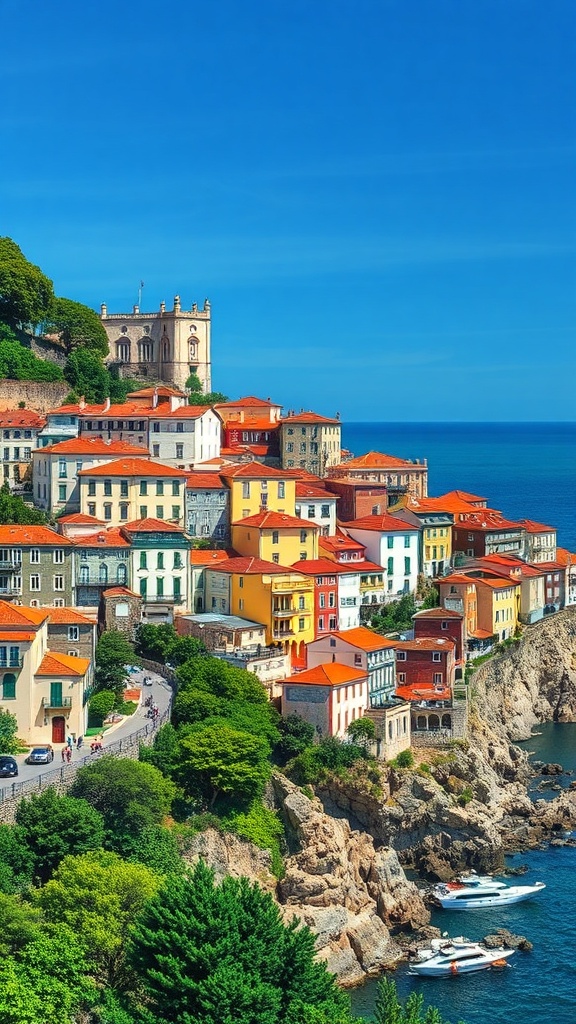
– Choose trains and intercity buses where possible; they reduce carbon footprint and often offer scenic routes.
– Stay in eco-certified accommodations or locally owned guesthouses to ensure tourism dollars benefit communities.
– Support small producers at markets and family-run restaurants to encourage sustainable agriculture.
– Follow wildlife guidelines—keep distance during whale watching, avoid disturbing nesting sites, and leave no trace on trails and beaches.
– Pack reusable essentials to reduce single-use plastics; many towns now support refill and recycling initiatives.
Why it matters
Portugal’s approach demonstrates how renewable energy, community engagement, and responsible tourism can coexist. Visitors benefit from diverse experiences—historic cities, dramatic coastlines, volcanic islands, and tranquil plains—while contributing to a model of travel that prizes longevity over short-term gains. Whether drawn by surf, wine, architecture, or nature, travelers who prioritize sustainability will find Portugal both welcoming and forward-thinking.