Why Portugal Is a Magnet for Remote Workers, Digital Nomads, and Curious Travelers
Why Portugal keeps drawing remote workers and curious travelers
Portugal has become a magnet for people seeking a balance of modern convenience and relaxed lifestyle. Coastal cities, historic towns, and islands offer strong infrastructure, a mild climate, and a rich cultural life—making Portugal a top consideration for remote workers, digital nomads, and anyone scouting long-term relocation options.
What makes Portugal so appealing
– Friendly urban hubs: Lisbon and Porto combine cosmopolitan amenities with walkable neighborhoods, reliable public transport, and vibrant café culture.
Both cities host a growing number of co-working spaces, meetups, and startup events that make networking easy.
– Affordable lifestyle: Compared with many Western European capitals, everyday expenses—dining out, groceries, and local services—remain accessible. Many remote professionals find they can enjoy a higher quality of life without a proportionally larger budget.
– Fast connectivity: High-speed internet is widely available in urban areas and many beach towns. Mobile data coverage is solid, and international flight connections make Portugal an easy base for work with clients across Europe and beyond.
– Mild climate and outdoor life: Long stretches of coastline, scenic hiking trails, and surf-friendly beaches provide plentiful options for off-hour adventures.
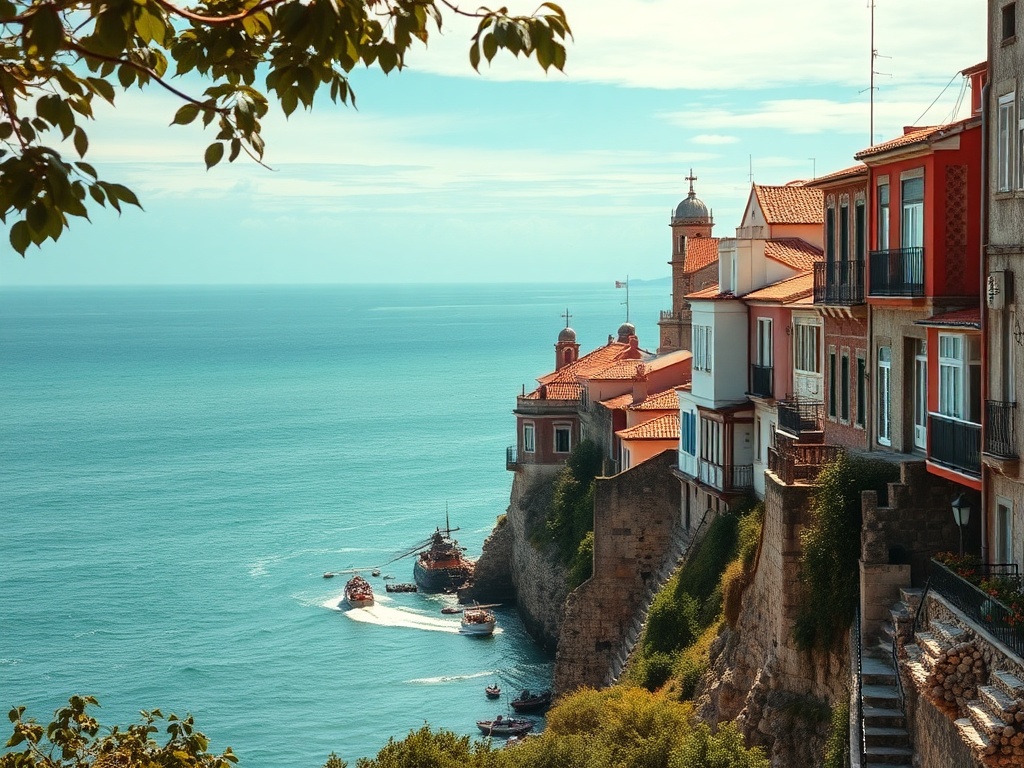
The islands—Madeira and the Azores—offer dramatic landscapes and a slower pace for those seeking nature immersion.
– Safety and healthcare: Portugal is known for low crime rates and a respected healthcare system. Many expatriates choose private health insurance for faster access to specialists, while public healthcare supports everyday needs.
– Rich culture and food: From Fado in intimate Lisbon taverns to world-class seafood and renowned wines, Portugal delivers cultural depth. Weekend escapes to historic towns, vineyards, and coastal villages keep life interesting.
Practicalities for remote workers
Getting set up is straightforward for many internationals. Short to medium-term rental markets are well established in cities and popular regions. Co-living and co-working options simplify the transition for those without local networks.
Language is less of a barrier than in many countries—English is commonly spoken in tourist areas and among younger professionals, though learning Portuguese opens doors to deeper community connections.
Visas and residency considerations vary by nationality and individual circumstances. Several residency paths exist for long stays and remote work; researching requirements and seeking official guidance is important before relocating.
Tax regimes can also affect planning—receiving tailored advice from a tax professional helps avoid surprises.
Tips for a smooth move
– Start with a flexible stay: Test neighborhoods with an initial rental or co-living arrangement before committing to a purchase or long lease.
– Join local communities: Meetups, Slack groups, and Facebook communities accelerate networking and help with practical tips, from setting up utilities to finding the best bakeries.
– Balance city life and nature: Consider splitting time between a city base and a coastal or island retreat for variety and better work-life balance.
– Respect local rhythms: Embrace slower meal times, shop at local markets, and learn a few Portuguese phrases to enrich daily life and integrate faster.
Why many stay
Beyond practical benefits, Portugal offers a lifestyle that blends productivity with pleasure. The ability to work efficiently while enjoying accessible travel, excellent food, and scenic surroundings keeps professionals returning—whether for a month, a year, or longer. For anyone mapping a move that values quality of life, Portugal remains a top contender.