Portugal for Remote Workers & Digital Nomads: Best Cities, Visas, Costs, and How to Move
Portugal has become a magnetic choice for remote workers and long-stay travelers seeking a balance of modern infrastructure, relaxed lifestyle, and rich culture. From sun-drenched coastlines to vibrant city neighborhoods, Portugal blends affordability, safety, and connectivity in ways that appeal to digital nomads, entrepreneurs, and anyone freelancing abroad.
Why Portugal stands out
– Reliable infrastructure: High-speed broadband and widespread mobile coverage make remote work seamless in urban centers and many coastal towns.
Coworking spaces and cafés with strong Wi‑Fi are easy to find.
– Affordable lifestyle: Compared with many Western European capitals, living costs—rent, dining out, and everyday services—can be more economical, especially outside the largest cities.
– Ease of travel: Compact geography and a well-served network of airports and trains make weekend escapes to beaches, mountains, and islands straightforward.
– Safety and healthcare: Portugal is widely regarded as safe, with quality public and private healthcare options accessible to residents and long-stay visitors.
– Climate and outdoors: Mild climates, abundant sunshine, surfable Atlantic coasts, and scenic hiking trails support an active, outdoor-first lifestyle that many remote workers prioritize.
Top places for remote work
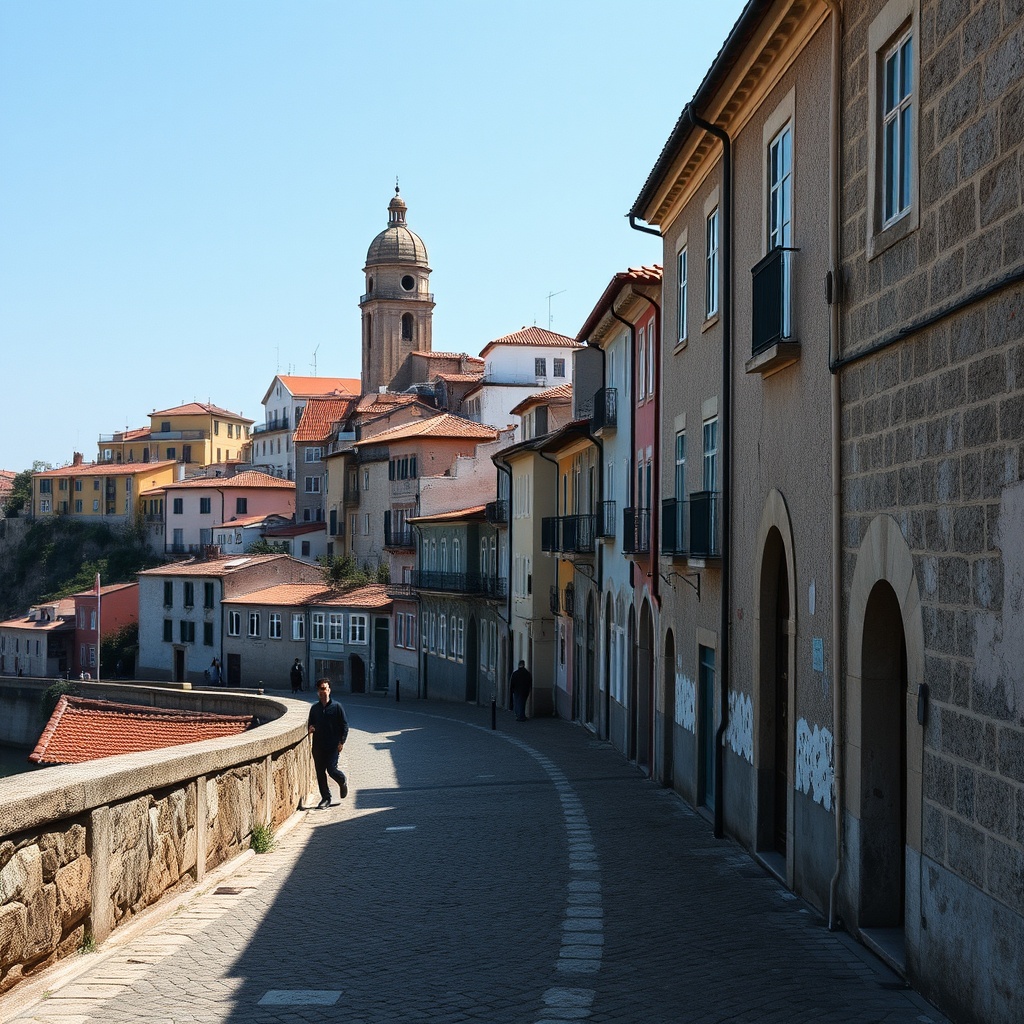
– Lisbon: The capital mixes historic charm with a booming tech and startup scene. Neighborhoods like Alfama, Bairro Alto, and more modern districts offer cafés, coworking hubs, and a lively cultural calendar.
– Porto: Known for its riverside ambience and thriving creative scene, Porto offers a lower cost of living without sacrificing amenities or international connections.
– Algarve: For those who prioritize sun, beaches, and a laid-back pace, southern coastal towns provide excellent outdoor options and seasonal community events.
– Madeira and the Azores: Island life appeals to remote workers seeking nature, unique microclimates, and a tight-knit digital nomad community.
Madeira, in particular, has built a reputation as a remote-work-friendly island.
Practical steps to make the move
– Research visas and residency options: Several pathways exist for long stays and remote work.
Understand application requirements, documentation, and healthcare coverage before relocating.
– Secure a fiscal number and bank access: A tax identification number (NIF) is essential for contracts, SIM cards, and many local services. Opening a bank account simplifies payments and rentals.
– Choose reliable connectivity: Look for apartments or coworking spaces with verified internet speeds. Main telecom providers offer a range of plans for mobile and home broadband.
– Consider health coverage: Explore public healthcare access for residents, or choose private international health insurance to bridge any gaps during transition periods.
– Learn basic Portuguese: Even a few phrases help with daily interactions and are appreciated by locals. English is commonly spoken in tourist and expat hubs, but language efforts enrich the experience.
Work-life balance perks
Portugal’s slow-living ethos encourages a healthier balance between productivity and downtime. Long lunches, local markets, and weekend trips to vineyards, beaches, and historic towns create a lifestyle where work doesn’t have to be all-consuming.
Culinary delights—from fresh seafood and regional wines to beloved pastries—add to the everyday rewards.
Whether testing a new base for a few months or planning a deeper relocation, Portugal offers an inviting mix of modern convenience and timeless charm. Planning ahead on legal and logistical details, and choosing a location that matches professional needs and lifestyle preferences, will make the transition smooth and enjoyable.
Consider an extended visit first to find the neighborhood and rhythm that fit best.