Sustainable Island Travel: Tips to Protect Biodiversity and Support Local Communities
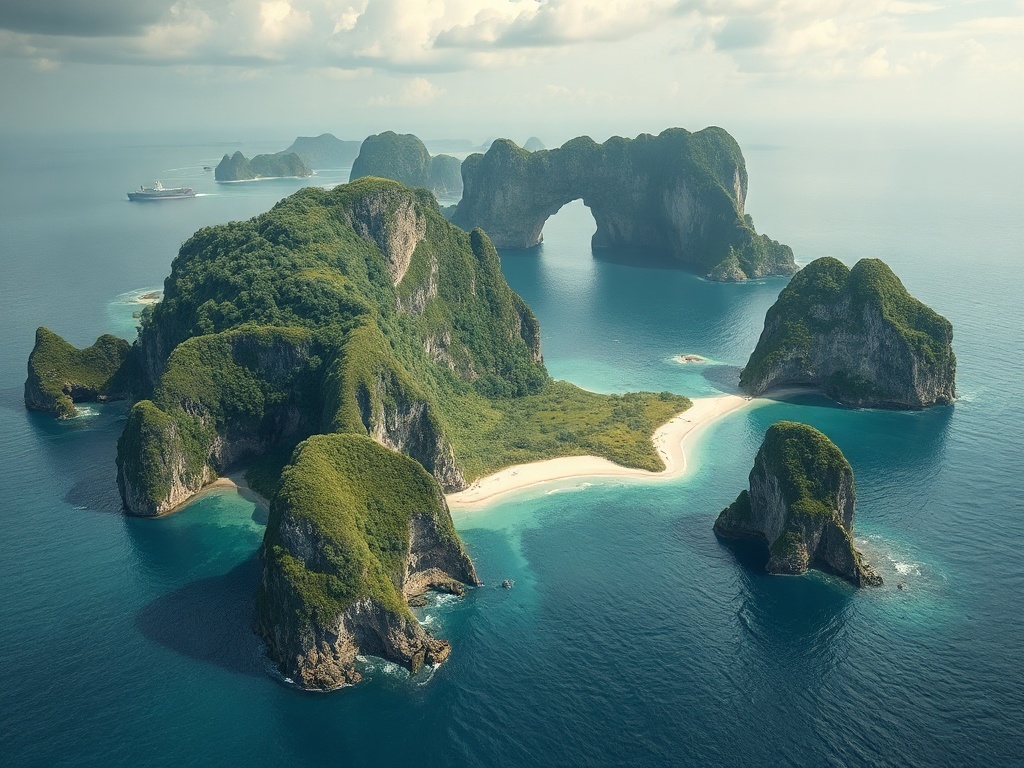
Island life captivates travelers, scientists, and conservationists for good reasons: unique biodiversity, rich culture, and landscapes shaped by isolation. Whether you’re planning a getaway, researching conservation, or thinking about relocating, understanding what makes islands special—and how to enjoy them responsibly—will elevate the experience.
Why islands matter
Islands often host high levels of endemism: plants and animals found nowhere else. Isolation fosters evolutionary creativity, producing rare birds, reptiles, and plant species. Coastal reefs, mangrove forests, and seagrass meadows that fringe many islands are biodiversity powerhouses and vital carbon sinks. These habitats support fisheries, protect shorelines from storms, and sustain local communities.
Types of islands and what to expect
– Volcanic islands: dramatic topography with black-sand beaches and rich soils supporting lush forests.
Expect hiking opportunities and dynamic landscapes.
– Coral islands and atolls: low-lying, ring-shaped islands built from coral growth. These offer world-class snorkeling and delicate ecosystems requiring careful stewardship.
– Continental islands: once part of a mainland, these islands often have more diverse flora and fauna and larger human populations.
Travel tips for responsible island exploration
– Choose low-impact transport and stay longer in fewer places to reduce travel emissions and better connect with local communities.
– Support local businesses—family-run guesthouses, guide services, and markets—so tourism dollars stay in the community.
– Respect wildlife: observe from a distance, avoid feeding animals, and follow guidelines for encounters with marine life.
– Reduce plastic: bring a reusable water bottle and shopping bag; single-use plastics are a major pollutant on many islands.
– Stay on marked trails to protect fragile vegetation and nesting sites; avoid disturbing shorelines at night, especially during sea turtle nesting season.
Island activities with low environmental footprint
– Guided snorkeling with a reef-aware operator: look, don’t touch; maintain buoyancy to avoid contact with corals.
– Kayaking or paddleboarding in mangrove forests: silent, low-impact ways to observe birds and juvenile fish.
– Community-led cultural tours: learn traditional crafts, music, and foodways while supporting heritage preservation.
– Citizen science opportunities: join beach cleanups, reef surveys, or bird counts to contribute directly to conservation.
Challenges facing islands
Islands face concentrated risks: climate-related sea-level rise, coral bleaching, invasive species, and overfishing.
Limited freshwater resources and waste-management infrastructure create additional pressures as visitor numbers grow. Many island communities are responding with innovative, locally led solutions—mangrove restoration projects, marine protected areas, sustainable aquaculture, and eco-certification for tourism operators.
Planning an extended stay or remote work stint
Connectivity and power reliability vary widely. Check internet options and backup power arrangements before committing. Be mindful of visa and health requirements, and consider the environmental footprint of remote work setups—prioritize accommodations that use renewable energy, water-saving measures, and proper waste disposal.
Leaving a positive impact
The best way to enjoy islands is to tread lightly, invest in local economies, and support conservation efforts.
Small choices—refilling water bottles, booking certified guides, choosing locations that practice sustainable tourism—add up. Islands offer rare glimpses into evolutionary history and living cultures; preserving them ensures those experiences remain for future visitors and the communities whose lives depend on healthy ecosystems.