Here are five SEO-friendly blog title options (recommended pick first):
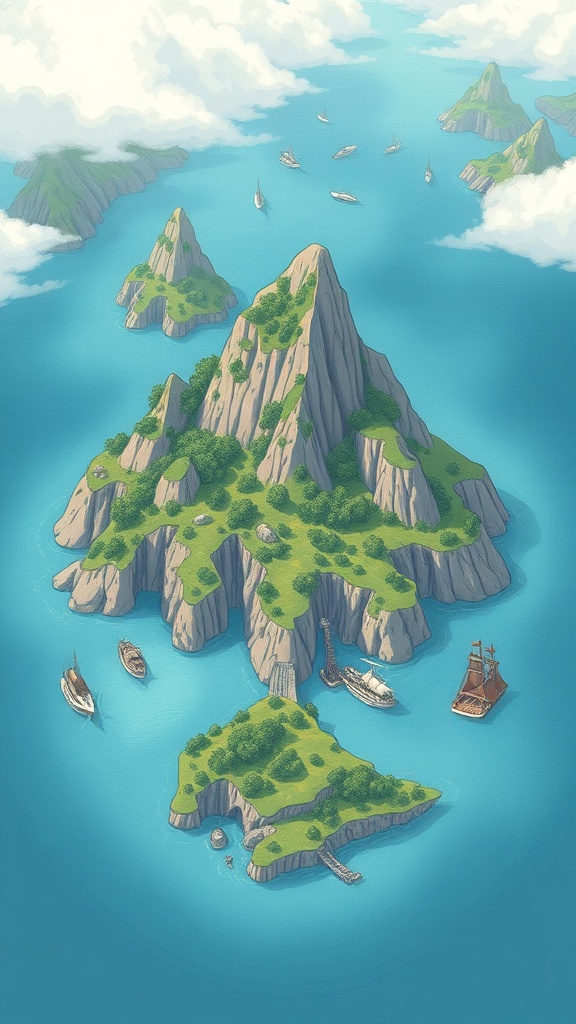
Islands captivate the imagination: isolated lands surrounded by water, each a microcosm of unique landscapes, cultures, and ecosystems.
Whether you’re planning an island escape, studying island ecology, or simply dreaming of remote shores, understanding what makes islands special helps you travel more responsibly and appreciate their fragility.
What makes islands unique
Islands often harbor endemic species that evolved in isolation, creating biodiversity hotspots. This isolation also shapes human cultures—distinct languages, foods, and traditions can develop within relatively small communities. The combination of marine and terrestrial environments produces spectacular scenery: coral reefs, limestone cliffs, mangrove forests, volcanic peaks, and white-sand beaches.
Major challenges islands face
– Climate-related impacts: Rising seas, stronger storms, and changing ocean temperatures can erode coastlines, damage infrastructure, and stress coral reefs. Islands dependent on coastal tourism and fisheries are especially vulnerable.
– Invasive species: Non-native plants and animals can outcompete native species, altering habitats and reducing biodiversity. Rats, feral cats, and some plant species are common culprits.
– Resource limitations: Freshwater supply, waste management, and energy access can be constrained by geography and infrastructure costs.
– Over-tourism: Unsustainable visitor numbers strain local services, accelerate habitat loss, and dilute cultural authenticity.
Practical tips for sustainable island travel
– Choose low-impact transportation: When possible, favor ferries or consolidated flights and offset unavoidable emissions through verified programs that fund local conservation or renewable energy projects.
– Support local businesses: Eat at family-run restaurants, book locally operated tours, and buy crafts made on the island to direct revenue into the community.
– Respect wildlife and habitats: Keep a safe distance from animals, avoid touching or standing on corals while snorkeling, and follow marked trails to protect fragile vegetation.
– Reduce single-use plastics: Bring a reusable bottle and bag—island waste systems can struggle with plastic pollution.
– Learn basic cultural etiquette: Simple gestures like learning a few local phrases or following dress norms show respect and create better interactions.
How to support island conservation
– Volunteer or donate to reputable local NGOs that focus on habitat restoration, invasive species control, and community resilience.
– Participate in citizen science programs—many islands welcome visitors who can help with reef monitoring, bird counts, or beach cleanups.
– Advocate for policies that protect coastal zones, sustainable fisheries, and renewable energy initiatives.
Top island experiences worth seeking
– Snorkeling and diving on coral reefs to observe vibrant marine life and learn about reef restoration efforts.
– Hiking volcanic ridges or coastal trails for panoramic views and geological insights.
– Exploring mangrove ecosystems for birdwatching and understanding their role in shoreline protection.
– Immersing in local festivals, cuisine, and handicrafts to experience cultural traditions shaped by island life.
Islands are places of beauty and vulnerability.
By traveling thoughtfully, supporting local stewardship, and staying informed about conservation challenges, visitors can help ensure these special places persist for future generations to enjoy. Plan with care, leave no trace, and let the island’s rhythms set the pace for a mindful experience.