Island Conservation: How Biosecurity, Community Stewardship, and Responsible Travel Save Endemic Species
Islands are natural laboratories of evolution, culture, and resilience — small landforms that punch far above their weight in biodiversity, heritage, and economic value. Their isolation creates species found nowhere else, unique cultural practices, and landscapes that attract travelers and scientists alike. That same isolation, however, also makes islands uniquely vulnerable to modern pressures.
Why islands host so many unique species
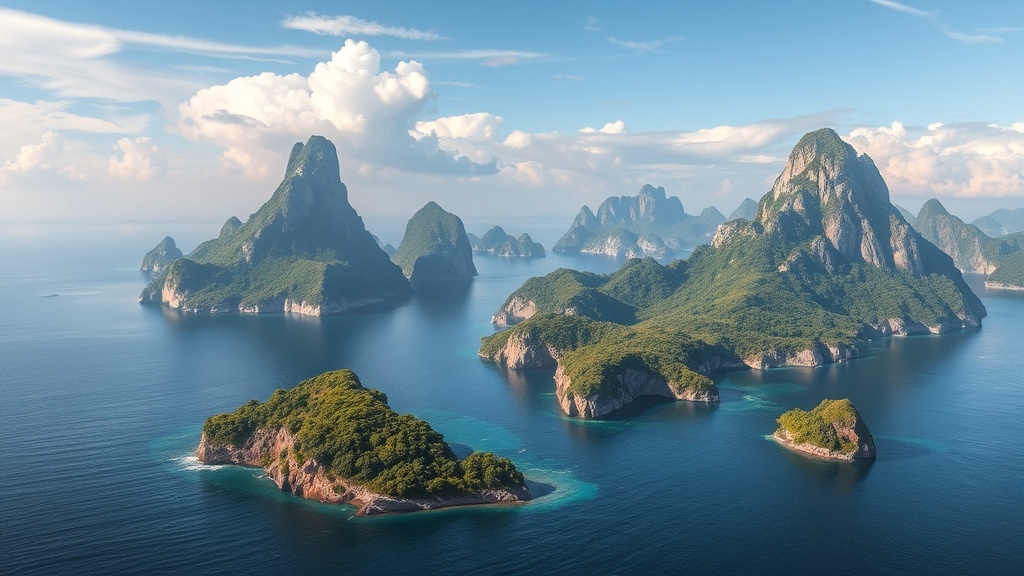
Isolation limits gene flow from the mainland, allowing species to evolve independently.
Over time, plants and animals adapt to island-specific conditions, producing endemic species — birds, reptiles, plants, and insects that exist only on a single island or archipelago. This creates biodiversity hotspots that are invaluable for science and irreplaceable in nature.
Major threats to island ecosystems
– Invasive species: Non-native mammals, insects, and plants can quickly outcompete or prey on endemic species that lack evolved defenses. Even a single introduced predator can collapse an island’s native bird population.
– Habitat loss: Development, agriculture, and resource extraction fragment habitats that are already limited in area.
– Climate change: Sea level rise, coastal erosion, and more intense storms shrink available land and salt freshwater sources, stressing island flora, fauna, and human communities.
– Overexploitation: Overfishing and unsustainable harvesting of plants and coral degrade marine and terrestrial food webs.
– Tourism pressure: Unregulated tourism can lead to litter, pollution, and damage to sensitive habitats like coral reefs and nesting beaches.
Conservation strategies that work
Effective island conservation blends science, local leadership, and practical on-the-ground measures:
– Biosecurity and prevention: Screening arrivals for seeds, insects, and rodents prevents invasives from taking hold.
Early detection programs and rapid response are critical.
– Protected areas and marine reserves: Designated land and sea zones preserve critical habitat and allow populations to recover.
– Habitat restoration: Removing invasive species, replanting native vegetation, and restoring wetlands rebuild ecological function.
– Community-led stewardship: Empowering local communities to manage resources creates long-term incentives for conservation through sustainable livelihoods, cultural preservation, and tourism revenue sharing.
– Climate adaptation measures: Building coastal defenses, conserving freshwater sources, and preserving migration corridors help species and people adapt to changing conditions.
How travelers can help protect islands
Responsible travel matters for fragile island environments.
Practical steps include:
– Respect biosecurity rules: Don’t bring plants, fresh produce, or unchecked gear that could carry seeds or pests.
– Choose low-impact operators: Look for eco-certifications, locally owned businesses, and operators that support conservation projects.
– Avoid single-use plastics and pack out waste: Islands often have limited waste infrastructure.
– Stick to marked trails and adhere to wildlife guidelines: Keep distance from nesting sites and refrain from feeding wildlife.
– Support local economies: Eat local food, hire local guides, and buy from artisans to ensure tourism benefits communities rather than external interests.
Islands are treasures worth protecting. Their compact size makes the impact of well-designed conservation and sustainable tourism particularly visible — a single successful restoration or biosecurity program can transform an island’s ecological future. By understanding island fragility and choosing responsible actions as visitors or stewards, people can help ensure these unique places endure for generations to come.