How to Enjoy the Beach Safely: Practical Tips for Coastal Conservation and Stewardship
Beaches are more than sun and sand — they are dynamic ecosystems, community assets, and frontline indicators of environmental change. Whether you’re planning a family day by the water or want to support coastal conservation, understanding how beaches work and how to enjoy them responsibly makes every visit better for people and wildlife.
Why beaches matter
Beaches protect inland areas from storm surge, provide habitat for coastal plants and animals, and support local economies through recreation and tourism.
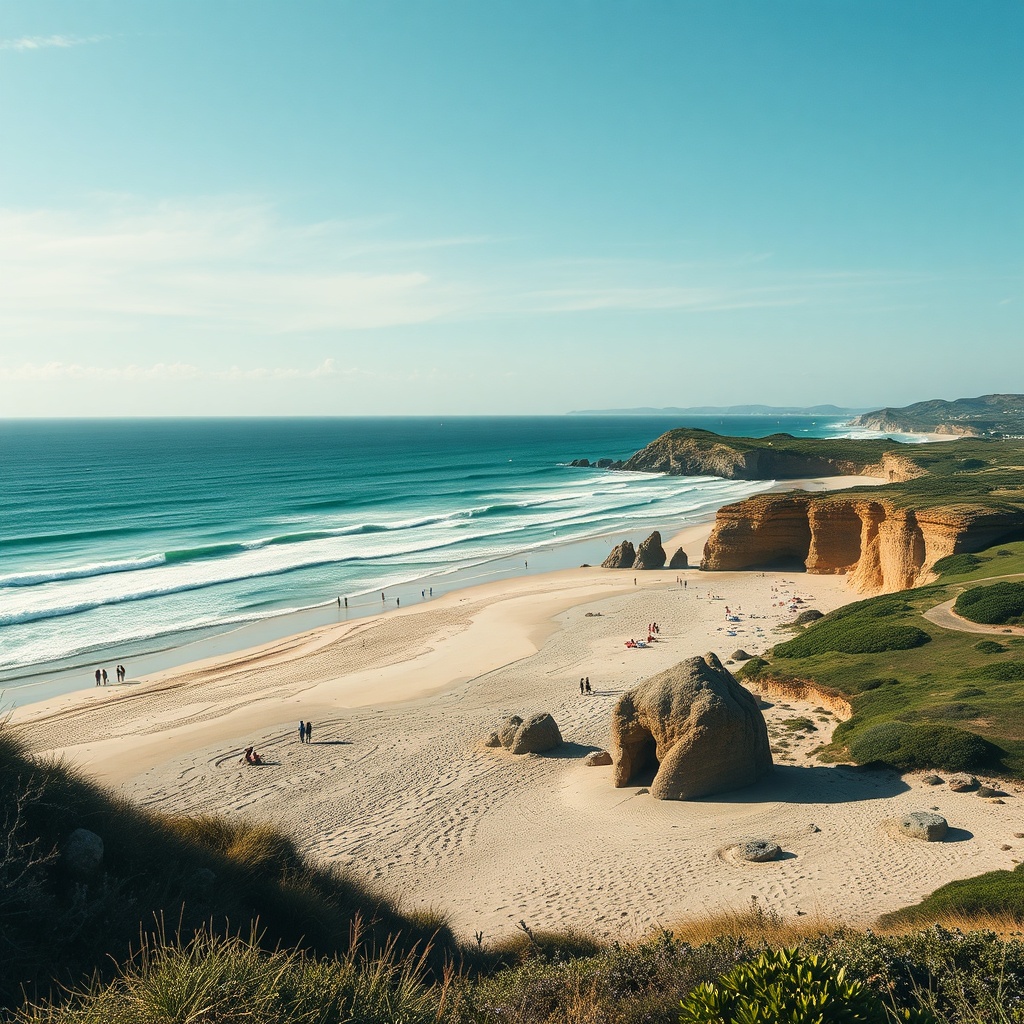
They also trap carbon in coastal wetlands and seagrass beds, contributing to climate regulation. Because shorelines are constantly shifting, balancing human use with natural processes is key to long-term resilience.
Smart beach safety
Safety should be the first priority. Rip currents are the leading hazard at open-ocean beaches; if caught in one, don’t fight it — swim parallel to shore until you’re out of the current, then head to land. Pay attention to posted flags and lifeguard instructions, check tide times before you go, and avoid swimming alone or in rough conditions.
Sun protection is essential: use broad-spectrum sunscreen, wear a hat and UV-protective clothing, and seek shade during peak sun hours.
Protecting beach ecosystems
Simple behavior changes reduce harm to coastal habitats. Stay off dunes and marsh edges — these areas are often home to fragile native vegetation and nesting birds. Keep dogs on leash where required and pick up waste to prevent entanglement and ingestion by marine species. Avoid collecting live shells or disturbing tidepool creatures; these organisms play crucial roles in the shoreline food web.
Practical ways to help
– Bring reusable items: water bottle, utensils, and a mesh bag for wet gear to minimize single-use plastics.
– Pack out what you bring in, including cigarette butts and food scraps.
– Join or organize a beach cleanup to remove debris and raise awareness.
– Support local conservation groups or community-led restoration projects.
Modern approaches to shoreline resilience
Coastal managers increasingly favor nature-based solutions alongside traditional engineering. Living shorelines — using native plants, oyster reefs, and natural materials to stabilize the coast — can reduce erosion while enhancing habitat. Dune restoration with native grasses helps trap sand and buffer wave energy. Where development is vulnerable, managed retreat and zoning changes are being used to reduce long-term risk instead of continually rebuilding in hazard zones.
Microplastics and pollution
Microplastics are now a widespread concern on many beaches. They enter the marine environment from consumer products, synthetic clothing fibers, and fragmented larger plastics. Reducing single-use plastics, choosing natural-fiber clothing when possible, and supporting policies that limit plastic pollution all help cut the flow of microplastics to the shore.
Planning a mindful beach day
A few simple choices create a safer, more sustainable visit: check local advisories, pack sun and water safety supplies, respect wildlife and signage, and leave the beach cleaner than you found it. Supporting local businesses that follow sustainable practices helps coastal communities thrive without overburdening fragile environments.
Beaches are living places that reflect how communities treat the coast.
By combining safe habits with thoughtful stewardship, every beach trip can be enjoyable and help protect these valuable natural spaces for future visitors and for the species that call them home.