How to Visit and Protect Islands: Sustainable Travel, Conservation & Community Support
Islands capture the imagination: isolated shores, unique wildlife, and cultures shaped by sea and wind. For travelers, conservationists, and entrepreneurs, islands represent both opportunity and vulnerability. Understanding how to visit, protect, and responsibly develop islands is essential for preserving their beauty and resilience.
Why islands matter
Islands hold an outsized share of global biodiversity. Many species are endemic, found nowhere else, making island ecosystems hotspots for conservation. Coastal reefs and mangroves surrounding islands provide crucial services—storm protection, nursery habitat for fish, and carbon sequestration. At the same time, islands are often on the front line of environmental change; small land area, limited freshwater, and reliance on tourism and fisheries create economic and ecological pressures.
Sustainable tourism: a win-win approach
Tourism drives economies on many islands, but unmanaged growth can damage reefs, overwhelm waste systems, and erode local culture.
Sustainable tourism balances visitor experiences with long-term stewardship.
Practical steps include:
– Favor small-scale, locally owned businesses to keep revenue in-island.
– Choose accommodations with strong environmental policies—waste reduction, water-saving systems, renewable energy.
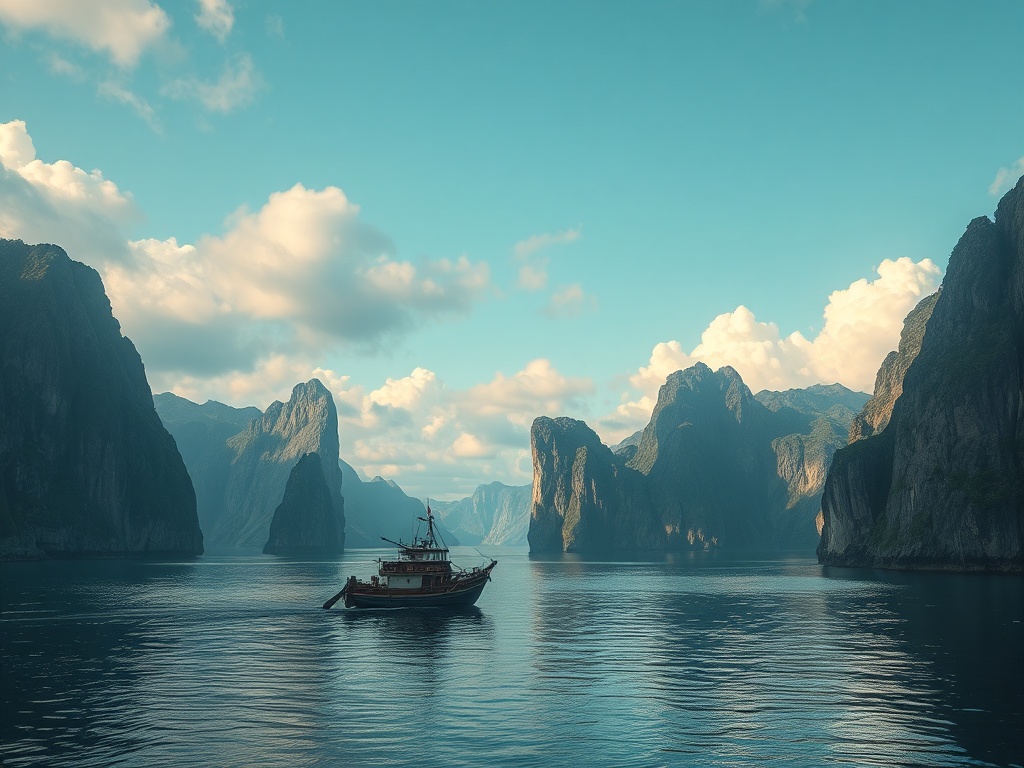
– Support operators that adhere to reef-safe snorkeling and diving practices and that contribute to habitat restoration.
These choices help preserve the natural attractions that draw visitors while supporting local livelihoods.
Protecting biodiversity and ecosystems
Conservation on islands often hinges on community involvement and science-based management.
Effective strategies include invasive species control, habitat restoration, and protected area designation. Mangrove replanting and coral propagation are examples of nature-based approaches that restore ecosystem function while providing climate resilience. Community-led ecotourism and citizen science programs can create economic incentives for protection and deepen visitor engagement.
Living and working remotely on islands
Remote work has shifted how people choose where to live, and many are drawn to island life.
While remote work can boost local economies year-round, sudden population increases can strain infrastructure.
Responsible new residents and digital nomads should:
– Integrate with local communities and respect cultural norms.
– Use renewable energy and water-conserving practices where possible.
– Invest time and resources in local initiatives, from education to conservation.
Policy makers benefit from planning tools that balance growth with infrastructure upgrades and environmental safeguards.
Food, culture, and local resilience
Island cuisines often reflect deep relationships with sea and land—fresh seafood, tropical fruits, and preservation techniques shaped by necessity. Promoting local food systems reduces dependency on imported goods, strengthens food security, and preserves culinary heritage.
Farmers’ markets, community fisheries management, and small-scale aquaculture are practical ways to support local supply chains.
How visitors can make a positive impact
Every traveler leaves a footprint. Simple actions can make a meaningful difference:
– Pack reusable items (water bottle, cutlery, shopping bag) to reduce single-use plastic.
– Respect wildlife by keeping a safe distance and avoiding disturbance.
– Learn basic local phrases and customs to show respect for culture.
– Donate time, money, or skills to reputable local projects if you want to contribute.
Islands are places of extraordinary beauty and fragility. By choosing sustainable travel options, supporting local economies, and backing conservation efforts, visitors and residents can help ensure islands remain vibrant, living landscapes for generations to come.