Island Resilience: Mangroves, Renewable Energy & Eco-Tourism
Islands are living laboratories of adaptation.
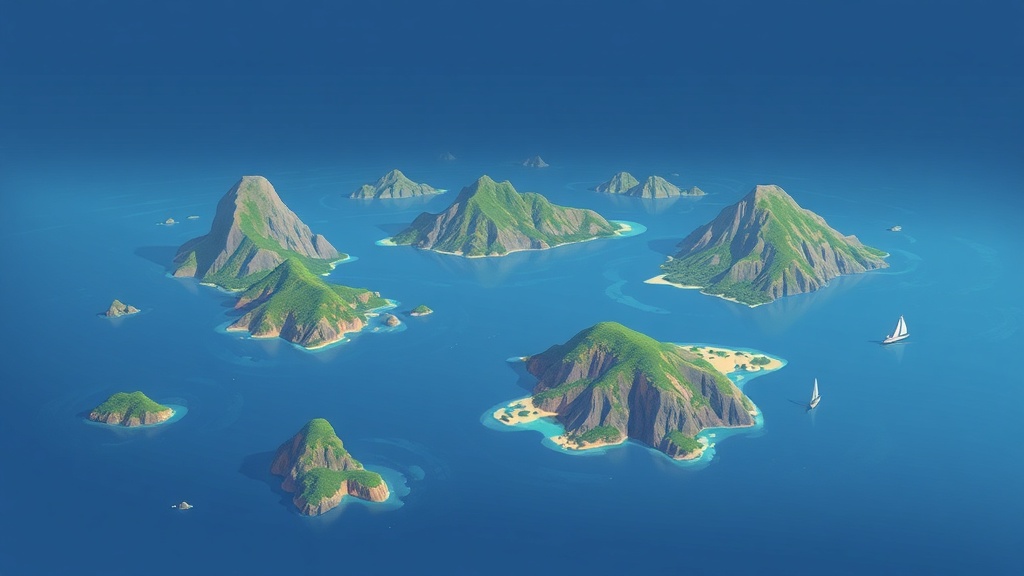
Their isolation creates rich biodiversity, distinct cultures, and economies closely tied to the sea — but that same isolation also makes them especially vulnerable to coastal erosion, storms, and ecosystem decline. Around the world, island communities are combining traditional knowledge with modern innovation to strengthen resilience and protect natural capital.
Nature-based solutions lead the way. Mangrove restoration, coral reef rehabilitation, and seagrass protection reduce coastal erosion, buffer storm energy, and store “blue carbon” in coastal sediments.
Communities are planting native mangroves to stabilize shorelines and reintroducing coral through reef gardening and coral nurseries that accelerate reef recovery. These approaches not only protect infrastructure but also revive fisheries and tourism values that depend on healthy habitats.
Renewable energy and microgrids transform island energy systems. Many islands were historically dependent on imported fossil fuels; now, decentralized solar, wind, and battery storage paired with smart microgrids reduce costs, cut emissions, and improve energy security during extreme weather.
Floating solar arrays, small-scale wind turbines, and community-led energy cooperatives are practical options that fit limited land footprints and support long-term resilience.
Sustainable fisheries and marine protection help maintain food security. Community-managed no-take zones, seasonal closures, and gear restrictions can allow fish stocks to recover while supporting livelihoods. Marine protected areas that are co-managed with local stakeholders tend to deliver better ecological and social outcomes because they align conservation goals with community needs.
Tourism is being redesigned to benefit islands, not overwhelm them. The shift from high-volume, low-value tourism toward smaller-scale, higher-value experiences reduces pressure on fragile ecosystems and spreads economic benefits more evenly. Eco-certified operators, community-owned lodges, and cultural tourism offerings encourage longer stays, deeper engagement, and respect for local customs.
Travelers can help by choosing operators with transparent sustainability practices and prioritizing locally owned businesses.
Biosecurity and invasive species management protect island ecosystems. Because island flora and fauna evolved in isolation, invasive mammals, plants, and pathogens can cause outsized damage.
Effective pathways include stricter biosecurity at ports and airports, targeted eradication campaigns, and public education to prevent accidental introductions.
Local governance, finance, and knowledge-sharing are crucial. Access to climate finance, technical assistance, and legal frameworks enables islands to invest in resilient infrastructure, early-warning systems, and nature-based adaptation. Peer networks among island jurisdictions and partnerships with research institutions help spread successful practices quickly.
Practical actions for travelers and residents:
– Support local businesses and community-run enterprises.
– Avoid single-use plastics and bring reef-safe sunscreen.
– Respect marine closures and observe wildlife at a safe distance.
– Volunteer or donate to reputable conservation groups that work directly with island communities.
– Advocate for policies that prioritize renewable energy and coastal habitat protection.
Islands offer powerful lessons about living with limits while leveraging local assets. By investing in ecosystems, clean energy, sustainable fisheries, and community-led governance, island societies are demonstrating durable pathways toward resilience. Those visiting or working with island communities can amplify these efforts by making mindful choices that protect both culture and nature, ensuring island life remains vibrant and viable.