Island Resilience: Nature-Based Solutions and Sustainable Tourism for Coastal Communities
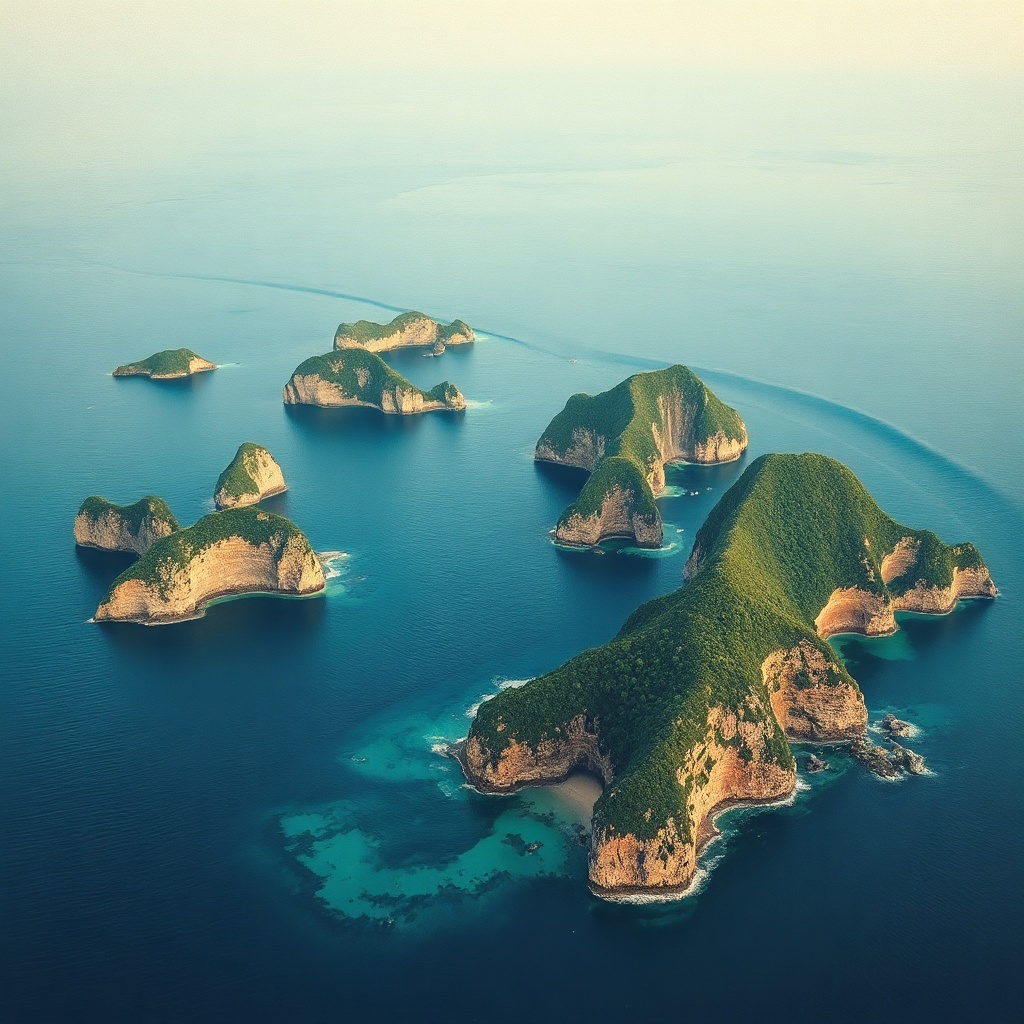
Islands capture the imagination: isolated landscapes, unique wildlife, and cultures shaped by the sea. Yet many island communities face shared challenges—from rising seas to overtourism—making resilience and sustainable management essential for preserving island life and economy.
Why island resilience matters
Islands concentrate vulnerability.
Limited land area, dependence on coastal resources, and often-remote supply chains leave communities exposed to storms, erosion, and changing marine ecosystems. At the same time, islands are biodiversity hotspots: endemic plants and animals, coral reefs, and seagrass beds are globally important. Protecting island systems preserves both cultural heritage and natural capital that supports fisheries and tourism.
Nature-based solutions that work
Restoring and protecting natural habitats provides cost-effective, long-lasting defense against coastal hazards while supporting biodiversity.
– Mangrove restoration buffers storm surge, reduces erosion, and stores carbon. Communities that invest in mangrove protection often see quicker recovery after storms and improved fisheries.
– Coral reef conservation and restoration reduce wave energy reaching shorelines and sustain fish populations critical to food security and tourism. Techniques range from establishing no-take zones to reef gardening.
– Seagrass and saltmarsh conservation improves water quality and acts as nursery habitat for commercially valuable species.
Sustainable tourism and local economies
Tourism can deliver jobs and income, but unregulated growth strains water, waste, and energy systems.
Sustainable tourism strategies keep economic benefits local while minimizing footprint:
– Encourage small-scale, locally owned accommodations and experiences.
– Promote low-impact activities like guided nature walks, snorkeling with reef etiquette, and cultural tours led by residents.
– Implement visitor caps or permit systems for fragile sites to prevent degradation and maintain quality experiences.
Community-led adaptation and planning
Resilience is most effective when led by islanders. Combining traditional knowledge with modern science yields practical solutions:
– Land-use planning that protects high-value habitats and prohibits development in high-risk zones.
– Diversified livelihoods—aquaculture, sustainable crafts, and renewable energy jobs—reduce dependence on single industries.
– Early warning systems and community evacuation plans tailored to local conditions enhance safety during extreme events.
Technology and infrastructure
Appropriate technology supports island resilience without overwhelming ecosystems:
– Decentralized renewable energy (solar microgrids, wind) reduces fossil fuel dependence and strengthens energy security.
– Rainwater harvesting and greywater reuse lower pressure on freshwater lenses and reduce the need for harmful desalination.
– Nature-friendly coastal defenses—living shorelines rather than concrete seawalls—combine protection with habitat enhancement.
Practical steps for visitors and advocates
Travelers and supporters can play constructive roles:
– Choose certified eco-lodges or locally run businesses that reinvest in the community.
– Respect wildlife and habitat rules, avoid single-use plastics, and follow reef-safe sunscreen guidelines.
– Support conservation organizations that partner with island communities or back marine protected areas.
Islands are resilient by nature: their cultures and ecosystems have adapted to change for generations. Combining nature-based strategies, community leadership, sustainable tourism, and appropriate technology can help island places thrive today and for the long term—preserving these special landscapes for residents and visitors alike.