Islands as Biodiversity Hotspots and Models of Climate Resilience: Conservation, Community, and Sustainable Tourism
Islands: Hotspots of Biodiversity, Culture, and Climate Resilience
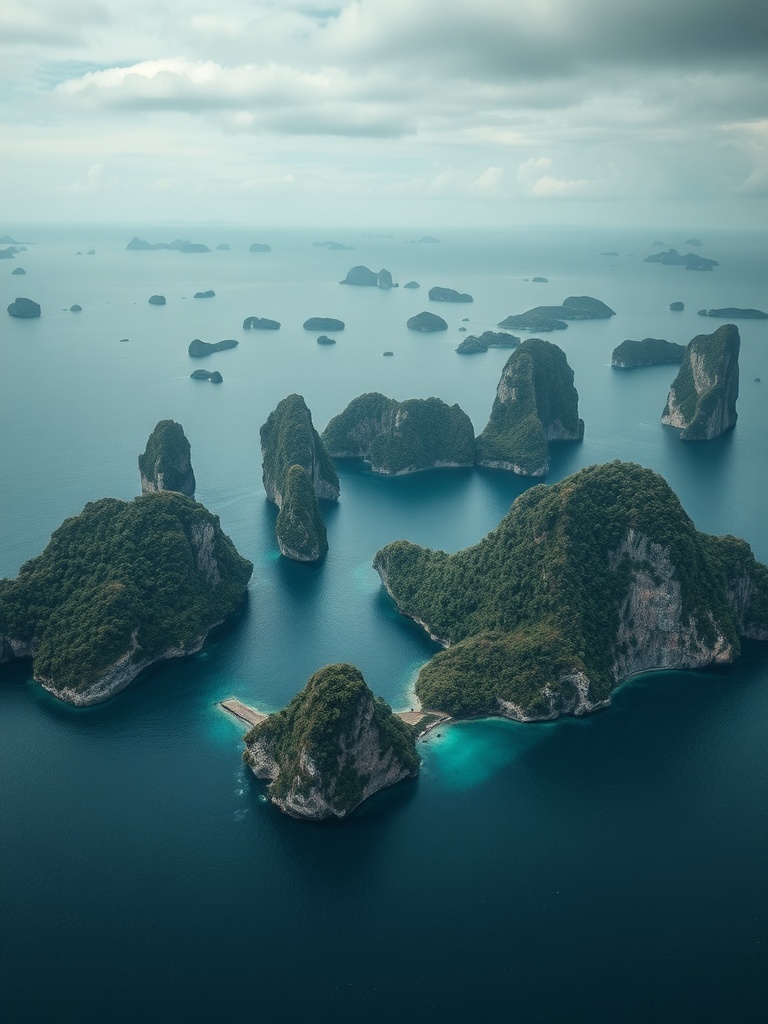
Islands capture the imagination: isolated landscapes, unique wildlife, and cultures shaped by the sea. They also sit at the frontlines of environmental change and innovation.
Understanding how islands balance conservation, community needs, and visitor economies offers lessons relevant to coastal regions everywhere.
Why islands matter
Islands often host a disproportionate share of global biodiversity. Isolation fosters endemic species found nowhere else, from miniature plants to ground-dwelling birds.
That uniqueness makes islands both irreplaceable and fragile—native species can be highly vulnerable to habitat loss, invasive predators, and shifting climate patterns. Marine ecosystems surrounding islands, including coral reefs and seagrass beds, are critical nurseries for fish and natural barriers against storm surge.
Threats and human impacts
Several pressures converge on island environments. Invasive species introduced through shipping and tourism can decimate native fauna. Coastal development and poorly planned infrastructure can degrade beaches and wetlands.
Pollution, including microplastics, accumulates in ocean gyres and often washes ashore on island beaches, affecting wildlife and food security. Sea-level rise and changing storm intensity increase erosion and threaten freshwater supplies and low-lying settlements.
Examples of resilience and innovation
Despite vulnerabilities, many island communities lead in adaptation and conservation. Marine protected areas and community-managed fisheries have restored fish stocks and reef health where enforcement and local stewardship are strong.
Islands are also attractive testbeds for renewable energy: solar arrays, wind turbines, and battery storage reduce reliance on imported fossil fuels and lower energy costs. Nature-based solutions—mangrove restoration, dune stabilization, and coral gardening—are increasingly used to protect coasts while supporting livelihoods.
Sustainable tourism as a pathway
Tourism can provide essential income for island economies, but unmanaged tourism harms the very resources that attract visitors.
Sustainable tourism practices make destinations more resilient:
– Prioritize low-impact accommodations and eco-certified operators.
– Support community-based tours that employ locals and respect cultural heritage.
– Limit visitor numbers in sensitive sites and promote off-peak travel to spread economic benefits.
– Encourage responsible behaviors: reef-safe sunscreen, no-touch wildlife policies, and proper waste disposal.
Practical steps for protection and community benefit
Conservation efforts succeed when they align ecological goals with community needs. Strategies that work include:
– Strengthening biosecurity to prevent new invasive species introductions.
– Investing in freshwater resilience—rainwater capture, groundwater protection, and efficient irrigation.
– Expanding locally managed marine areas and pairing them with scientific monitoring.
– Promoting circular economy principles to reduce waste and create local jobs in recycling and repair.
– Leveraging clean energy to cut costs and improve energy independence.
What visitors can do
Travelers can make a tangible difference by choosing responsible operators, reducing single-use plastics, staying within marked trails, and supporting local businesses. Learning about local customs and conservation priorities before traveling helps visitors minimize impact and contribute positively.
Islands provide a concentrated view of global environmental challenges and the creative solutions emerging in response. Protecting island ecosystems and the communities that depend on them requires coordinated action—between local stewards, scientists, policymakers, businesses, and visitors.
With careful planning and respect for nature and culture, islands can remain thriving centers of biodiversity and human creativity.