Islands as Living Labs for Sustainability: Renewable Energy, Climate Resilience and Sustainable Tourism
Islands have long held a special place in the human imagination: remote, romantic, and rich in biodiversity. Today, islands are also front-line laboratories for change — showing how communities adapt to environmental shifts, build sustainable economies, and reimagine what island life can look like in a more connected world.
Why islands matter
Islands concentrate unique ecosystems and cultures. Isolation breeds endemic species, which makes islands biodiversity hotspots and conservation priorities.
At the same time, their compact economies and limited resources force creative solutions for food, water, energy and waste management — solutions that often scale to larger regions.
Sustainable tourism: balancing visitation and preservation
Tourism remains a vital income source for many islands, but unregulated visitation can damage reefs, freshwater lenses and cultural sites.
The shift toward sustainable tourism emphasizes lower-impact experiences:
– Managing visitor numbers and seasonal flows to reduce strain on infrastructure
– Promoting community-led tours that return revenue to local residents
– Offering eco-certifications for hotels and operators that meet energy, water and waste standards
– Encouraging reef-safe sunscreen and responsible diving/snorkeling practices
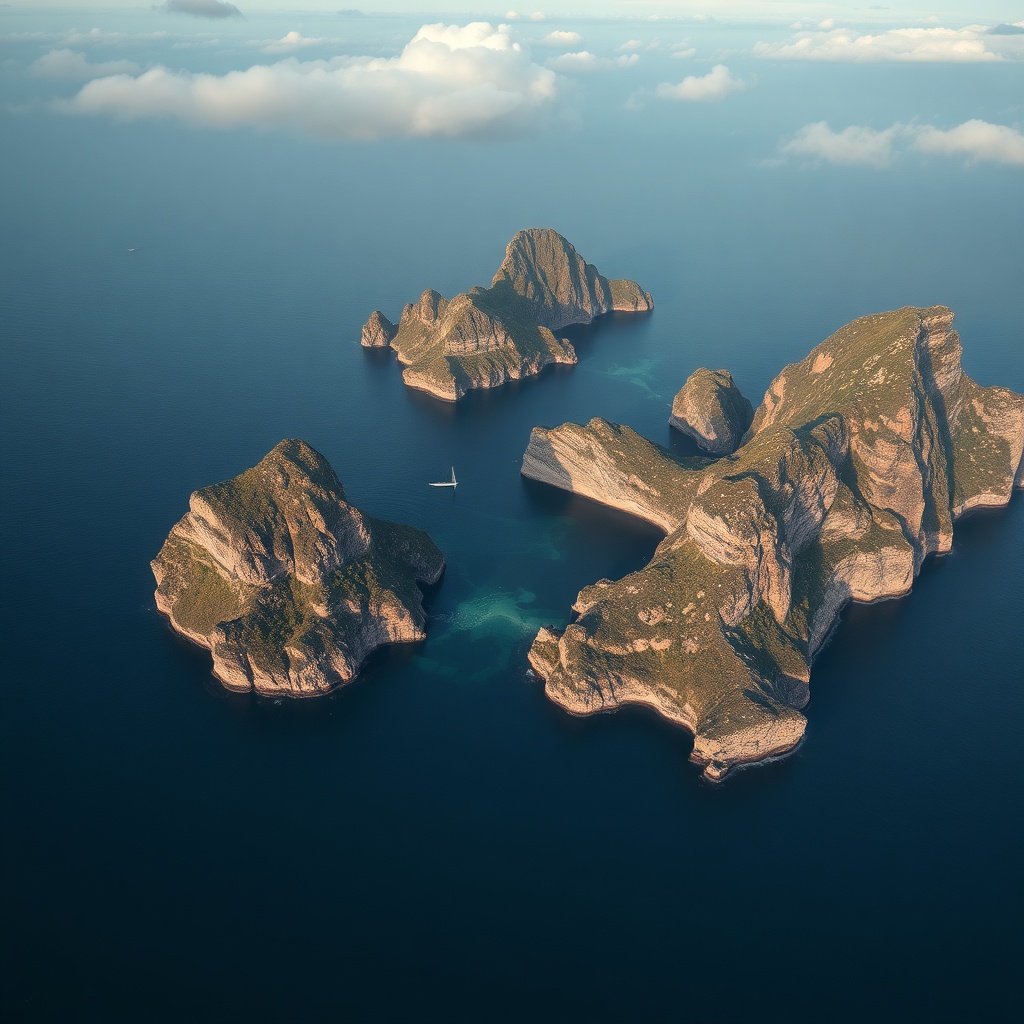
These approaches help preserve the natural assets tourists come to see while supporting resilient local economies.
Climate resilience and nature-based solutions
Islands are acutely vulnerable to coastal erosion, saltwater intrusion and extreme weather events.
Many island communities are adopting nature-based solutions that protect ecosystems and provide livelihoods:
– Restoring mangroves and wetlands to buffer storm surge and sequester carbon
– Protecting coral reefs through fishing restrictions and reef restoration projects
– Implementing dune and dune-vegetation projects to stabilize shorelines
Pairing these natural defenses with updated building codes and improved water management can dramatically reduce long-term vulnerability.
Renewable energy and microgrids
Limited land and costly fuel imports make renewable energy especially attractive on islands. Solar, wind and small-scale hydro, combined with battery storage and microgrids, reduce dependence on fossil fuels and improve energy security. Community-owned energy projects are gaining traction, offering both resilience and local revenue streams.
Food and water innovation
Freshwater scarcity and reliance on imported foods are common challenges. Solutions gaining ground include:
– Rainwater harvesting and efficient irrigation techniques
– Aquaponics and greenhouse farming to grow more food locally
– Community-supported agriculture and fisher cooperatives that strengthen local supply chains
These measures enhance food sovereignty and reduce the environmental footprint of transporting goods long distances.
Cultural stewardship and sustainable development
Cultural heritage is a central asset for island communities. Protecting traditional knowledge and involving elders in planning ensures development respects local values. Sustainable development that integrates cultural stewardship creates experiences visitors value and communities can sustain over time.
Practical tips for travelers
– Choose operators and accommodations with clear sustainability commitments
– Support local businesses: eat local food, buy local crafts, hire local guides
– Follow Leave No Trace principles around reefs, beaches and cultural sites
– Learn a few words of the local language and respect community customs
Islands are a microcosm of global challenges and solutions. By prioritizing ecological protection, renewable energy, resilient infrastructure and cultural respect, island communities and visitors can help ensure these places remain vibrant and viable for generations to come.