Why Portugal Tops Travel Lists — What Visitors and Newcomers Should Know
Why Portugal keeps topping travel lists — and what that means for visitors and newcomers
Portugal has become a compelling mix of old-world charm and modern opportunity. Sun-drenched coastlines, UNESCO-listed heritage, a vibrant food culture and expanding green-energy infrastructure make the country attractive to tourists, remote workers and investors alike. Here’s a practical look at what draws people to Portugal today and what to expect when you visit or move.
A lifestyle that blends city life with nature
Lisbon and Porto remain cultural magnets, offering historic neighborhoods, lively nightlife, art scenes and accessible public transport. Coastal regions such as the Algarve and the Silver Coast deliver world-class beaches, surf culture and small towns where life moves at a gentler pace. Inland areas are increasingly appealing to people seeking quieter communities and lower living costs.
Portugal’s compact size makes it possible to combine city amenities with easy weekend escapes to nature — from scenic hiking trails to surf breaks along the Atlantic.
Remote work and visa options
Portugal has expanded visa options to welcome digital nomads and long-stay residents. Newer remote-work permits sit alongside established resident visas that favor remote income streams or passive income. The country offers reliable broadband in major urban centers and many coastal towns, plus an abundance of coworking spaces and café culture that supports flexible workers.
For those considering a move, it’s advisable to research visa requirements carefully, prepare proof of income and health coverage, and connect with local expat communities for practical guidance.
Sustainable tourism and housing dynamics
Tourism remains a major economic driver, but local governments and communities are working to manage overtourism in popular districts. Policies now encourage visiting beyond the busiest spots — exploring lesser-known coastal towns, mountain villages and rural areas helps spread the economic benefits and preserves local character.
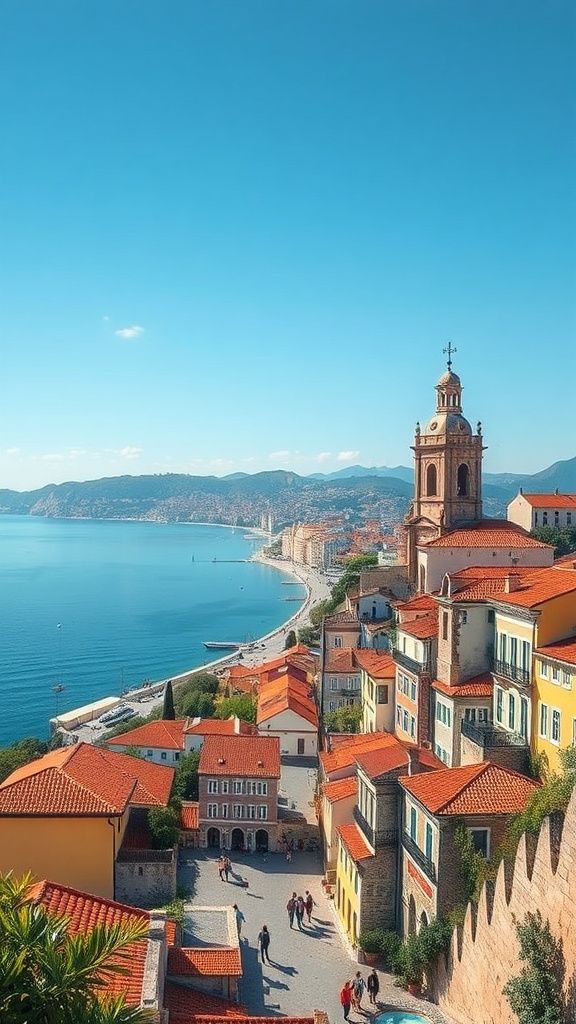
At the same time, demand for short-term rentals has affected housing availability in some cities. Prospective residents should weigh short-term convenience against long-term housing options and look to neighborhoods with a balance of local life and services.
Culinary riches and wine traditions
Portuguese cuisine is a major draw: fresh seafood, regional dishes like arroz de marisco and hearty stews, and world-renowned pastries such as pastel de nata.
Wine regions produce a diverse range, from fortified Port and vinho verde to robust reds from the Alentejo.
Food markets and neighborhood tascas offer authentic experiences where locals dine, making culinary exploration a rewarding part of any visit.
Energy transition and green investment
Portugal is making strong investments in renewable energy, expanding wind and solar capacity and exploring offshore possibilities. These efforts are reshaping the energy mix and creating opportunities in clean tech and sustainable development. Visitors may notice more eco-conscious tourism offerings, from green-certified hotels to low-impact outdoor activities.
Practical tips for a smooth visit or move
– Learn a few basic Portuguese phrases; English is widely spoken in tourist areas but local courtesies go a long way.
– Plan beyond main hotspots to avoid crowds and discover authentic local life.
– Check visa conditions and documentation well before you travel if you intend to stay long term.
– Consider neighborhood vibe, transport links and internet reliability if you’ll work remotely.
Portugal’s mix of lifestyle, accessibility and forward-looking policies keeps it relevant for both short stays and longer relocations. Whether seeking seaside relaxation, cultural immersion or a base for remote work, the country offers a variety of experiences that reward curiosity and engagement.