Islands capture the imagination
Islands capture the imagination: turquoise lagoons, dramatic cliffs, unique wildlife and cultures shaped by isolation.
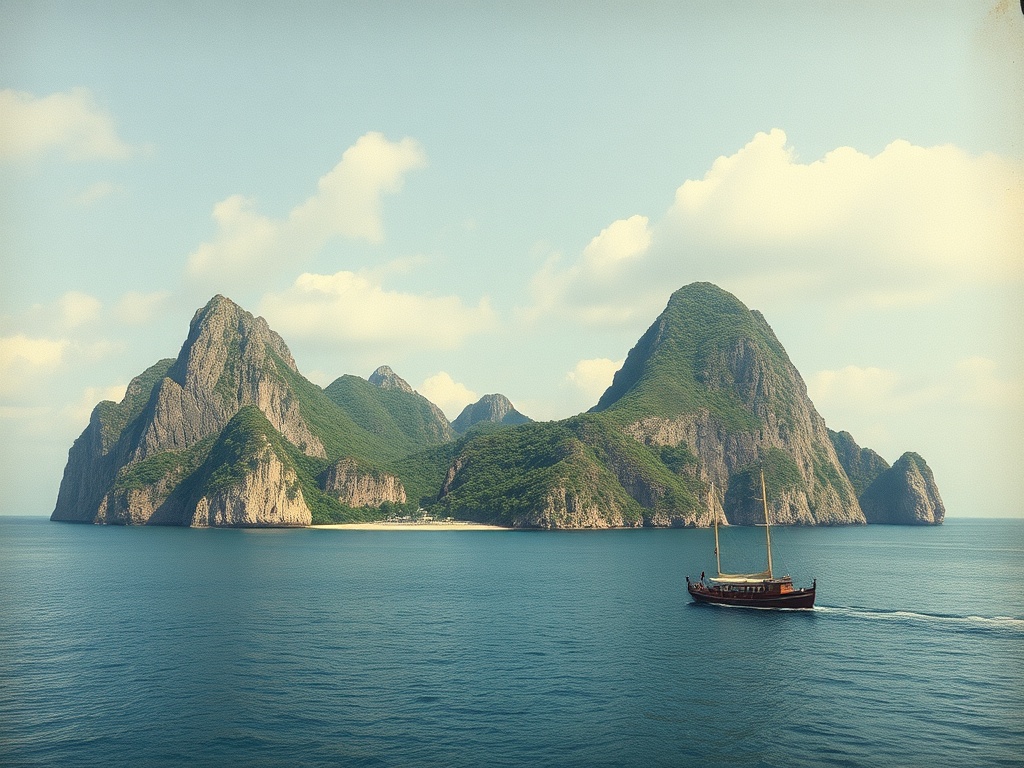
Beyond postcard scenery, islands are hotspots of biodiversity and human creativity — but they also face distinct vulnerabilities. Understanding island ecosystems and how to travel and act responsibly can help protect these places for the long term.
Island biodiversity and fragile ecosystems
Isolated over long periods, islands often harbor species found nowhere else. Endemic plants, birds and reptiles evolve to fill niches with little competition. That richness makes islands conservation priorities, yet it also leaves them sensitive to disturbance. Small population sizes, limited ranges and narrow habitat requirements mean that invasive species, habitat loss and pollution can have outsized impacts. Coral reefs and mangrove forests that fringe many islands provide critical nursery habitat and coastal protection, but these systems are vulnerable to warming seas, acidification and physical damage from careless tourism.
Human communities and cultural resilience
Island cultures blend maritime traditions, agriculture adapted to thin soils, and close-knit social networks. Many island economies depend on fisheries and tourism, so economic shifts or environmental decline quickly affect livelihoods. Community-led stewardship, traditional ecological knowledge and local governance models are central to resilience. Supporting locally run businesses and conservation initiatives keeps economic benefits within communities and strengthens incentives for long-term protection.
Practical steps for sustainable island travel
– Choose responsible operators: Pick tour companies that follow marine protected area rules, limit group sizes and use certified guides.
– Protect reefs: Use reef-safe sunscreen, avoid standing on corals, and follow dive/snorkel briefings to minimize contact.
– Reduce single-use plastic: Bring a reusable water bottle and carry a small bag for trash to avoid overflowing local waste systems.
– Respect local customs: Research cultural norms and ask before taking photos of people or sacred sites.
– Support the local economy: Eat at family-run restaurants, buy crafts directly from artisans and hire local guides.
– Offset thoughtfully: If offsetting travel emissions, prioritize local projects that also improve community resilience, such as mangrove restoration.
Conservation actions and adaptation
Effective island conservation blends protection, restoration and adaptation. Establishing and enforcing marine protected areas, controlling invasive predators, and restoring native vegetation are proven strategies. Nature-based solutions like mangrove planting and coral gardening can enhance coastal defenses while supporting biodiversity. Sustainable fisheries management, including seasonal closures and size limits, supports both ecosystems and food security. Infrastructure planning that incorporates elevated designs, better drainage and natural buffers reduces risk from storms and shoreline change.
How visitors can help beyond travel
Visitors can contribute long-term by volunteering with vetted conservation programs, donating to reputable local organizations, or advocating for policies that protect island ecosystems and the rights of island communities. Sharing responsible travel stories on social media can influence others to make better choices too.
Islands are at once fragile and remarkably adaptable.
Through mindful travel, community empowerment and nature-based conservation, these distinctive places can continue to inspire and sustain both wildlife and people for generations to come.