Portugal continues to attract remote workers and long-term travelers with a rare mix of modern infrastructure, mellow lifestyle, and diverse scenery.
Portugal continues to attract remote workers and long-term travelers with a rare mix of modern infrastructure, mellow lifestyle, and diverse scenery. From the cobbled streets of historic city centers to volcanic islands and rugged surf breaks, the country offers a range of bases that suit different tastes and work rhythms.
Why remote workers choose Portugal
– Mild climate and outdoor lifestyle: Mild winters and warm summers make outdoor cafés, beach walks, and alfresco dining part of daily life for much of the year. Scenic islands and national parks provide easy weekend escapes for nature lovers and adventure seekers.
– Strong connectivity and coworking culture: Major cities and many smaller towns now offer reliable high-speed broadband and growing 5G coverage. Coworking spaces and remote-work communities are widespread, providing networking opportunities, events, and a social environment for freelancers and entrepreneurs.
– Accessible transport and gateways: International airports in several cities offer direct connections across the region and beyond, while a network of trains and regional flights makes internal travel convenient for weekend getaways.
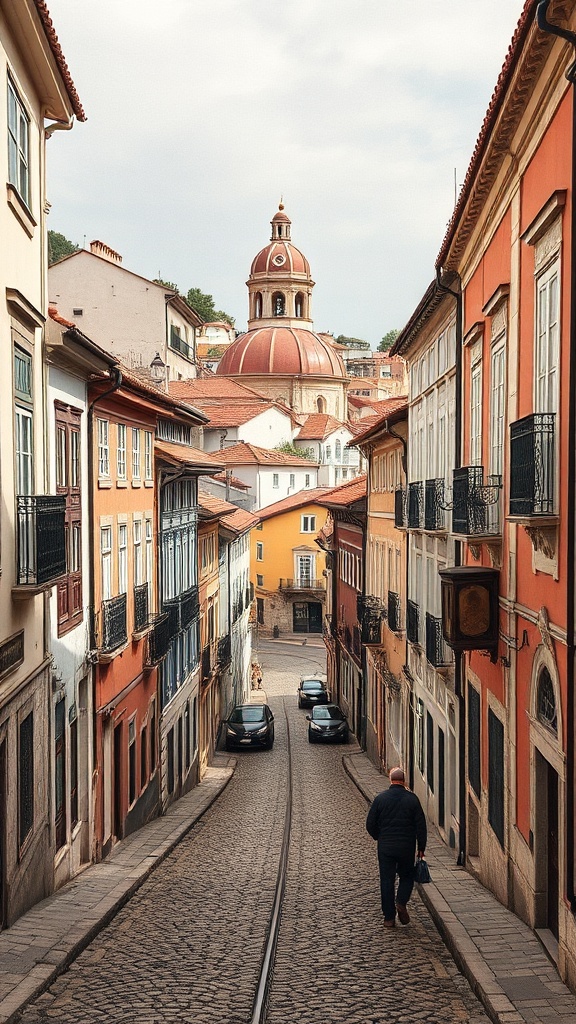
– Quality of life and affordability: Compared with many Western capitals, day-to-day costs can be significantly lower without sacrificing quality. Housing options range from modern apartments in vibrant neighborhoods to quieter villages and coastal towns, fitting a variety of budgets.
– Safety, healthcare, and public services: Portugal consistently ranks as one of the safer countries in the region.
Public and private healthcare options are available, and many expats find the local services accessible and efficient.
Practical considerations for relocating
– Visas and residency: Recent changes have expanded options for remote workers and long-term visitors. A variety of residence permits and visas exist, and eligibility criteria vary. Always verify requirements through official consular or immigration sources and consider professional advice if you plan a longer stay.
– Taxes and incentives: Portugal has offered tax regimes aimed at attracting foreign residents in the past. Tax rules can change, so consult a tax advisor to understand obligations and potential benefits before relocating.
– Housing and neighborhoods: Lisbon and Porto remain popular for their cultural scenes, dining, and nightlife. Coastal regions like the Algarve appeal to sun-seekers and families, while islands such as Madeira and the Azores are favored by nature-focused remote workers. Short-term rentals are plentiful for initial exploration, with long-term leases available once you’ve settled on a location.
– Language and integration: Portuguese is the local language, but English is widely spoken in tourist hubs and professional settings.
Learning basic Portuguese helps with everyday tasks and fosters deeper connections with locals.
– Community and networking: Active expat and digital-nomad communities provide meetups, online groups, and events. Coworking hubs often host workshops and networking nights, which are great for building both social and professional networks.
Lifestyle highlights
Portugal’s food scene pairs fresh seafood with regional specialties and a vibrant café culture. Renowned wines and a strong local-food movement mean weekend markets and family-run restaurants abound. For outdoor enthusiasts, surfing, hiking, sailing, and island-hopping offer constant variety.
If you’re considering a move, plan a reconnaissance trip to test neighborhoods, coworking spaces, and local services. Research visa and tax rules through official channels, connect with local expat groups, and start with a short-term rental before committing. Portugal’s combination of connectivity, culture, and quality of life makes it an appealing option for many looking to blend work with a more relaxed, richly textured lifestyle.