Islands: Fragile Ecosystems, Rich Cultures, and Smart Ways to Visit
Islands: Fragile Ecosystems, Rich Cultures, and Smart Ways to Visit
Islands capture the imagination with turquoise waters, dramatic coastlines, and unique wildlife. They’re also living laboratories for biodiversity, culture, and resilience. Because islands are naturally isolated, they host high levels of endemism—species found nowhere else—and cultures shaped by maritime life. That combination makes islands both special and especially vulnerable.
Why islands matter
– Biodiversity hotspots: Islands often host plant and animal species that evolved in isolation. That makes them vital for conservation and scientific study.
– Cultural diversity: Island communities maintain distinct languages, crafts, and food traditions tied to the sea and local resources.
– Climate sensitivity: Low-lying coasts, freshwater constraints, and dependence on fisheries make islands particularly sensitive to climate impacts and pollution.
Top challenges facing islands
– Sea-level rise and coastal erosion threaten infrastructure, freshwater lenses, and habitats.
– Coral bleaching and ocean acidification undermine fisheries and tourism that many islands depend on.
– Invasive species, from rats to nonnative plants, can devastate native wildlife.
– Plastic pollution and poor waste management create health and economic burdens.
– Energy and water insecurity increase reliance on imported fuels and bottled water.
Practical responses and solutions
– Nature-based adaptation: Restoring mangroves and seagrass beds buffers shorelines, improves fisheries, and stores carbon. Coral restoration techniques and marine protected areas help reef recovery when paired with pollution control.
– Renewable energy and microgrids: Solar, wind, and battery systems reduce fuel imports and increase resilience during storms. Community-owned microgrids keep lights on for critical services.
– Water solutions: Rainwater harvesting, smart groundwater management, and efficient desalination systems can secure freshwater without harming ecosystems.
– Invasive species control: Targeted eradication and biosecurity measures protect native flora and fauna.
– Circular waste systems: Composting, recycling hubs, and local plastic-reduction initiatives cut landfill reliance and marine debris.
How travelers can help
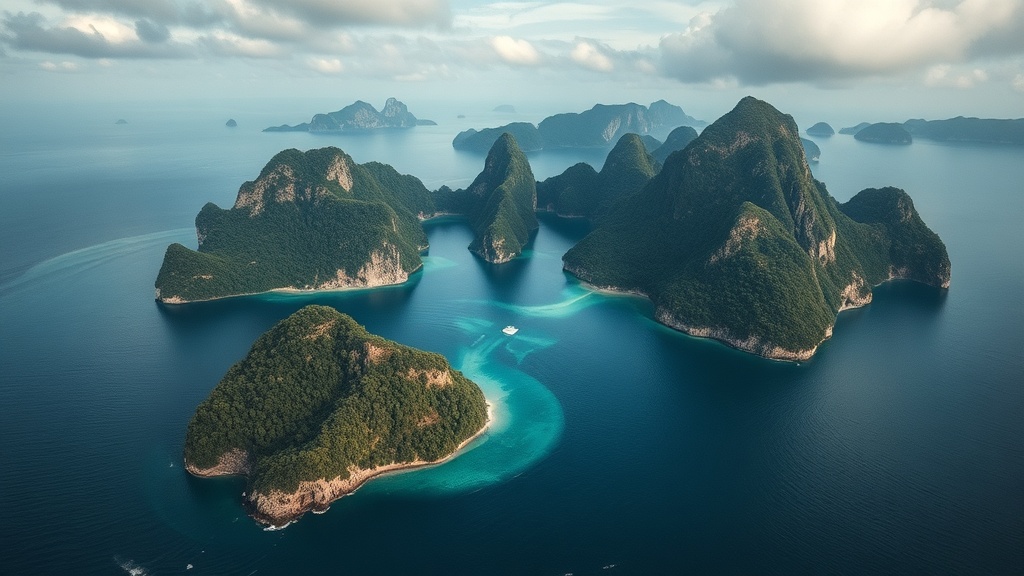
Travelers have an outsized impact on island economies and environments. Responsible behavior protects the places we love and supports local livelihoods.
– Choose locally owned accommodations, restaurants, and tours to keep tourism dollars in the community.
– Use reef-safe sunscreen, avoid touching corals, and follow local guidelines for swimming and snorkeling.
– Minimize single-use plastics: carry a refillable bottle and reusable bag.
– Book certified guides for wildlife viewing to ensure activities are low-impact and informative.
– Learn a few words of the local language and respect cultural norms—small gestures go a long way.
Simple checklist for island resilience (for communities and visitors)
– Protect and restore coastal ecosystems (mangroves, reefs, dunes).
– Transition to renewables and energy storage.
– Improve waste management and reduce plastics.
– Strengthen local food systems and sustainable fisheries.
– Invest in education, local capacity, and community-led tourism.
Islands are compact ecosystems where small actions have big effects. When local communities, visitors, and governments prioritize nature-based solutions, renewable energy, and sustainable livelihoods, islands can maintain their distinctive character and thrive despite environmental pressures. Whether you’re planning a visit or supporting policies from afar, thoughtful choices help ensure islands remain vibrant places for people and wildlife.