Portugal for Remote Workers: Visas, Top Cities & Practical Moving Tips
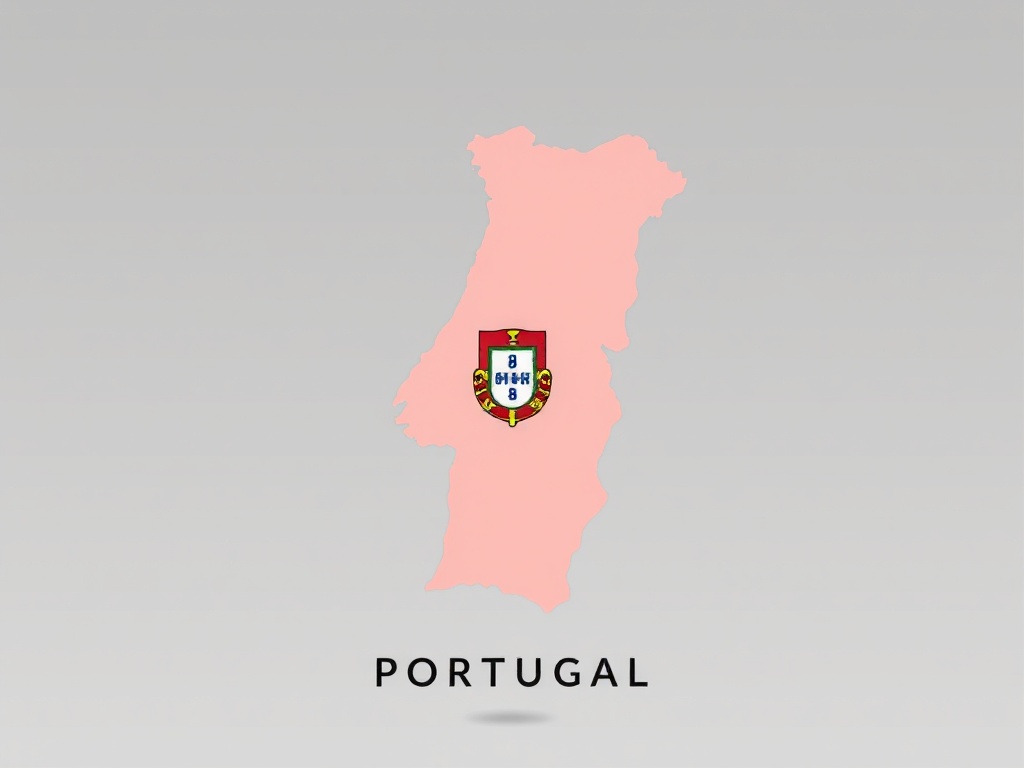
Portugal keeps drawing attention as one of Europe’s most attractive places to live and work remotely. Whether you’re chasing reliable broadband, mild climate, or a high quality of life for a modest budget, Portugal delivers a compelling mix of practical amenities and lifestyle perks that make it easy to settle in and stay productive.
Why Portugal appeals to remote workers
– Visas and residency options: Portugal offers flexible visa pathways that cater to freelancers, remote workers, and people with passive income.
Recent visa options make long stays and remote work simpler than before for many nationalities.
– Strong connectivity: Major cities and tourist hubs provide fast, reliable broadband and growing 5G coverage. Coworking spaces and cafés with good Wi-Fi are abundant, and mobile providers offer reasonably priced data plans.
– Affordable living with quality services: Compared with many Western European capitals, the cost of living tends to be lower while public services, healthcare, and transportation remain high quality.
– Safety and friendliness: Portugal consistently ranks as one of the safer countries in Europe.
English is widely spoken in urban and tourist areas, easing day-to-day life for newcomers.
– Great climate and lifestyle variety: Mild winters and plentiful sunshine, combined with beaches, mountains, and historic towns, create an ideal backdrop for work–life balance.
Top places to consider
– Lisbon: The capital is the cultural and business hub, offering vibrant neighborhoods, international restaurants, and robust coworking ecosystems. It’s a top choice for networking and events.
– Porto: A smaller city with a strong creative scene, excellent food and wine culture, and a cozy historic center.
Porto can feel more manageable than the capital while still offering urban amenities.
– Algarve: Known for beaches and outdoor life, the region draws those who prioritize sun, surf, and a relaxed pace. Towns range from lively to tranquil.
– Madeira and Azores: Island life appeals to digital nomads who favor dramatic landscapes and slower rhythms.
Madeira has invested in remote-work initiatives that attract longer stays.
Practical tips for moving and settling
– Get a tax number (NIF): Essential for opening bank accounts, signing leases, and getting utilities.
Many expats arrange this through a local representative if arriving short-term.
– Health coverage: Public healthcare is accessible, and private insurance options are widely available; many expats choose a mix of both.
– Housing: Short-term stays are easy to arrange through rentals, but if planning longer residencies, explore longer leases or local listings. Neighborhood choice matters for commute, noise, and lifestyle.
– Banking and payments: Local banks and fintech options help with daily transactions; many places accept cards but cash remains useful in smaller towns.
– Language: Learning basic Portuguese opens doors socially and improves daily routines, though English is commonly understood in most urban and tourist settings.
Culture and leisure
Portugal offers a rich cultural calendar, from music and film festivals to neighborhood markets and historic sites.
Food culture is diverse: seafood, regional cheeses, and hearty pastries are culinary highlights.
Weekend trips are easy thanks to efficient domestic travel options and proximity to other European destinations.
Portugal blends practical remote-work infrastructure with a lifestyle that supports productivity and wellbeing.
For those seeking a balance of professional opportunity and a rich, relaxed life outside the office, it remains a top choice worth exploring.