Protecting Island Ecosystems: Sustainable Travel, Living, and Conservation Tips
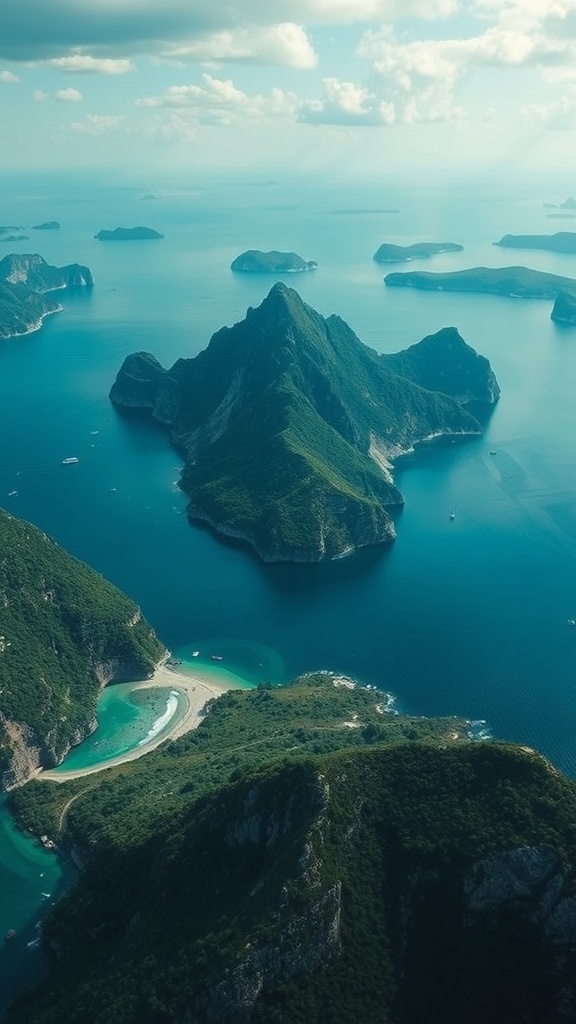
Islands hold a unique appeal: isolated, diverse, and often synonymous with natural beauty. Beyond postcard scenery, islands are hotspots for biodiversity, cultural richness, and innovative sustainability solutions. Understanding what makes islands special—and how visitors and residents can protect them—helps preserve these fragile places for generations to come.
Why islands matter
Islands concentrate endemic species—plants and animals found nowhere else. Isolation drives evolution, creating ecosystems with high ecological value.
Coastal reefs, mangroves, and seagrass beds surrounding many islands provide habitat, protect shorelines from erosion, and support fisheries that local communities depend on. Economically, islands frequently rely on tourism, fisheries, and small-scale agriculture, making sustainable management essential for long-term resilience.
Threats islands face
Islands are especially vulnerable to environmental pressures. Coastal development and poorly planned tourism can degrade habitats and strain freshwater supplies.
Waste management is a persistent challenge where limited land area and infrastructure complicate disposal and recycling. Climate-related impacts—such as sea level rise, stronger storms, and changing ocean conditions—pose risks to infrastructure, freshwater availability, and coastal ecosystems. Invasive species introduced accidentally or intentionally can upset delicate ecological balances, threatening native flora and fauna.
Sustainable solutions making a difference
Many island communities are pioneering practical solutions that balance development with conservation.
Renewable energy installations—solar, wind, and small-scale hydro—reduce dependence on imported fossil fuels and lower energy costs. Water-smart strategies, including rainwater harvesting and desalination paired with efficient distribution systems, improve freshwater reliability. Community-based marine protected areas and sustainable fisheries management help rebuild fish stocks and protect coral and mangrove habitats.
Responsible island travel: practical tips
– Choose low-impact accommodations: Look for eco-certifications or properties that use renewable energy, water-saving fixtures, and local materials.
– Support local businesses: Dining, tours, and services run by locals keep economic benefits within the community.
– Respect wildlife and habitats: Keep a safe distance from nesting birds, reefs, and coastal vegetation; avoid touching corals and follow responsible snorkeling/diving guidelines.
– Pack light and pack smart: Bring reusable water bottles, reef-safe sunscreen, and minimal single-use plastics to reduce waste.
– Learn local customs and regulations: Cultural sensitivity and compliance with protected-area rules enhance visitor experiences and community relations.
Living on an island: tips for residents
Residents balance the joys of island life with practical realities. Establishing energy-efficient housing, embracing local food systems, and investing in resilient infrastructure can improve quality of life and reduce vulnerability.
Community-led waste reduction programs, composting, and circular-economy initiatives help conserve limited space and resources. Engaging in local governance and conservation projects strengthens social cohesion and ensures that development aligns with long-term wellbeing.
Conservation opportunities anyone can join
Island conservation thrives when scientists, residents, businesses, and visitors collaborate. Volunteer programs, citizen science initiatives, and education campaigns raise awareness and contribute valuable data. Supporting organizations that protect reefs, restore native vegetation, and control invasive species amplifies local efforts.
Even small actions—removing litter on a beach, reporting injured wildlife, or choosing sustainable seafood—make a measurable difference.
Islands are living laboratories for adaptation and stewardship.
By embracing thoughtful travel habits, supporting sustainable local economies, and backing conservation efforts, people can help islands retain their ecological richness and cultural vibrancy. Whether visiting briefly or calling an island home, mindful choices ensure these special places remain resilient and rewarding for the future.