Recommended: Portugal 2025: The Complete Guide to Living, Working & Traveling
Portugal keeps drawing attention for a blend of historic charm, modern convenience, and forward-looking lifestyle opportunities. Whether you’re planning a trip, considering a move, or simply curious about trends shaping the country, here’s a practical, up-to-date guide to what makes Portugal stand out.
Why people choose Portugal
Portugal combines a mild climate, relatively affordable cost of living compared with many Western European capitals, and strong public services. Cities like Lisbon and Porto offer cosmopolitan amenities, while smaller towns and coastal villages provide slower-paced living and easy access to nature.
Portugal is consistently considered safe, with good healthcare infrastructure and widespread English proficiency—especially among younger people and service industries.
Top destinations and what to expect
– Lisbon: The capital blends historic neighborhoods (Alfama, Bairro Alto, Chiado) with a thriving startup scene, creative hubs such as LX Factory, and vibrant nightlife. Public transport, including trams and a metro network, makes getting around straightforward.
– Porto: Famous for its riverside Ribeira district and Port wine cellars, Porto offers a compact, walkable city center, a growing food scene, and easy access to the Douro Valley wine region.
– Algarve: Renowned beaches, dramatic cliffs, and excellent golf courses attract sun-seekers and families. Coastal towns provide a range of lifestyles from lively resort hubs to quieter fishing villages.
– The interior and islands: The Douro Valley, Alentejo plains, and the Azores and Madeira islands offer dramatic landscapes, outdoor activities, and a slower pace of life for those seeking nature and adventure.
Work, visas, and the expat scene
Portugal has become a magnet for remote workers and entrepreneurs. Several residency and visa options are available for those with remote income, retirees, and investors.
A growing community of digital nomads, creatives, and startups means co-working spaces and networking events are easy to find, particularly in Lisbon and Porto. Before relocating, investigate visa requirements, tax considerations including special tax regimes for newcomers, and local registration rules.
Food, wine, and culture
Portuguese cuisine is regional and rich: fresh seafood along the coast, hearty stews in the interior, and pastries like pastéis de nata that attract pastry lovers worldwide. Wine regions such as the Douro and Vinho Verde produce world-class wines with distinct profiles.
Cultural life ranges from traditional Fado music to contemporary festivals, art galleries, and design fairs—both cities and towns offer a packed calendar of cultural events.
Sustainability and innovation
Portugal is notable for investments in renewable energy and sustainable tourism. Wind and solar have become significant parts of the country’s electricity mix, and eco-conscious travel options are increasingly available. The startup ecosystem supports climate tech, fintech, and creative industries, making Portugal a hub for innovation with international appeal.
Practical tips for visitors and newcomers
– Best times to visit are shoulder seasons (spring and autumn) for mild weather and fewer crowds.
– Use trains and intercity buses for comfortable, affordable travel between major cities; domestic flights and ferries connect islands.
– Learn a few basic Portuguese phrases—locals appreciate the effort and it enhances the experience.
– Check local property rules, residency requirements, and tax advice before committing to long-term stays.
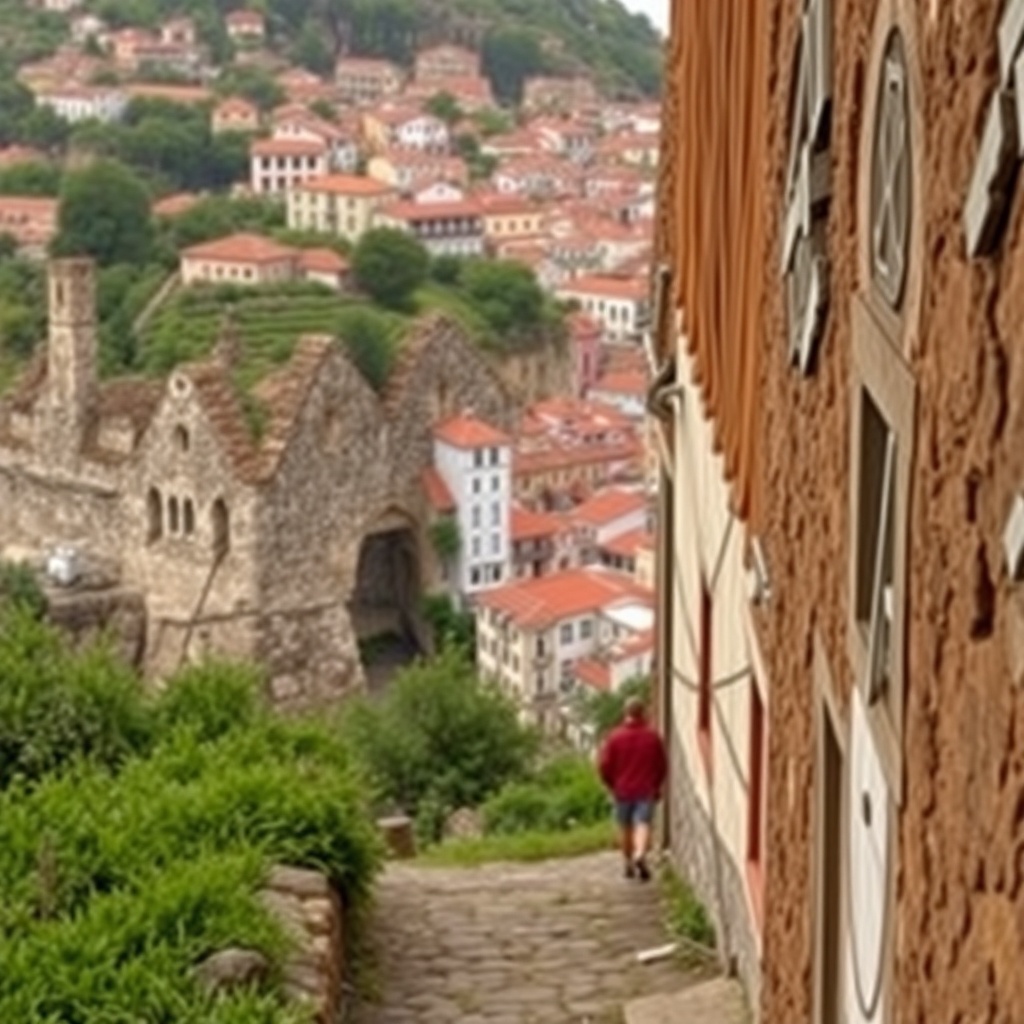
Portugal’s mix of history, modern amenities, and natural beauty continues to make it a top choice for travelers and long-term residents alike. Whether seeking urban energy, coastal calm, or countryside quiet, Portugal offers something that suits many lifestyles and interests.