Sustainable Travel in Portugal: Cork Forests, Renewables & Responsible Tourism
Portugal is quietly becoming a global reference for sustainable living and eco-friendly travel. From its cork oak landscapes to ambitious renewable energy projects, the country blends tradition and innovation in ways that appeal to travelers, entrepreneurs, and policymakers interested in a greener future.
Why Portugal stands out
A mild climate, varied geography, and strong cultural attachment to the land create fertile ground for sustainability initiatives. Coastal cities are embracing cleaner mobility, rural areas are investing in organic agriculture and agroforestry, and island regions prioritize biodiversity and low-impact tourism. That mix makes Portugal a compelling destination for visitors who want authenticity without harming the environment.
Cork forests: natural carbon sinks and cultural heritage
Portugal produces a large share of the world’s cork, but cork oak woodlands are valuable for more than bottle stoppers. These montados support rich biodiversity, act as effective carbon sinks, and help prevent soil erosion.
Cork harvesting is sustainable by design — trees are stripped every several years without damage — supporting local economies and traditional knowledge. Travelers can explore rural estates and learn about cork craftsmanship, from design studios to boutique products that showcase upcycled cork as a modern material.
Renewable energy and cleaner mobility
Portugal has invested heavily in renewable electricity generation, drawing from wind, solar, and hydro sources.
Urban centers are rolling out electric buses and expanding charging infrastructure, making low-emission transport easier for residents and visitors. Coastal ferry services and intercity rail increasingly shift focus to electrification and efficiency, improving accessibility while reducing carbon footprints. For visitors, opting for trains, electric car rentals, or bicycle-friendly routes lets you experience scenery with minimal environmental impact.
Islands as laboratories for sustainable tourism
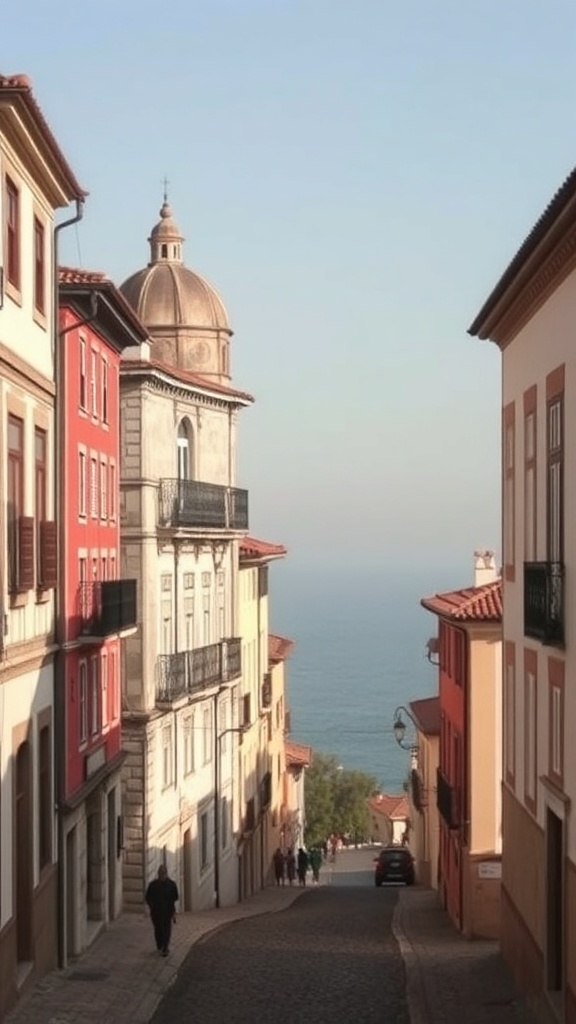
Island destinations are often ahead in conservation and sustainable tourism, and Portugal’s archipelagos are no exception. Marine protected areas support responsible whale watching and sustainable fisheries. Hiking routes are managed to reduce erosion and preserve endemic plant species. Accommodation ranges from eco-lodges that use rainwater harvesting and solar power to locally run guesthouses that invest tourism revenue back into community projects.
Food, wine, and local economies
Farm-to-table dining is more than a trend; it’s a daily reality in many Portuguese regions.
Small-scale producers emphasize seasonal ingredients, regenerative practices, and artisanal techniques.
Wine regions are experimenting with organic and low-intervention winemaking, while olive oil and cheese producers often follow generational practices that promote biodiversity.
Eating locally and buying directly from markets supports rural livelihoods and reduces the environmental toll of long supply chains.
Tips for the mindful traveler
– Choose destinations that prioritize conservation and community benefits.
Look for accommodations with clear sustainability practices.
– Prefer rail and electric mobility for intercity travel and rent bicycles for local exploration.
– Support local businesses: markets, family-run restaurants, and cottage industries.
– Respect protected areas and follow guidelines for wildlife encounters, especially whale and bird watching.
– Pack thoughtfully: reusable water bottles, lightweight layers, and sun protection reduce single-use waste.
Portugal’s combination of natural beauty, cultural stewardship, and investment in cleaner technologies creates an environment where sustainable choices are both accessible and rewarding.
Whether seeking outdoor adventure, culinary discovery, or peaceful countryside retreats, travelers who prioritize sustainability will find many opportunities to engage respectfully and leave a positive footprint.