Why Flying Feels Different Now: How to Fly Smarter, Greener, and More Comfortably
Why flying feels different — and how to make the most of it
Air travel continues to evolve, shaped by technology, sustainability, and changing passenger expectations. Whether you fly for business or leisure, understanding the trends and adopting a few practical habits can make every trip smoother, greener, and more comfortable.
What’s changing in the skies
– Cleaner engines and sustainable aviation fuel (SAF) are becoming mainstream talking points. Airlines and manufacturers are investing in lower-carbon fuel options and engine efficiency upgrades to reduce emissions on conventional aircraft.
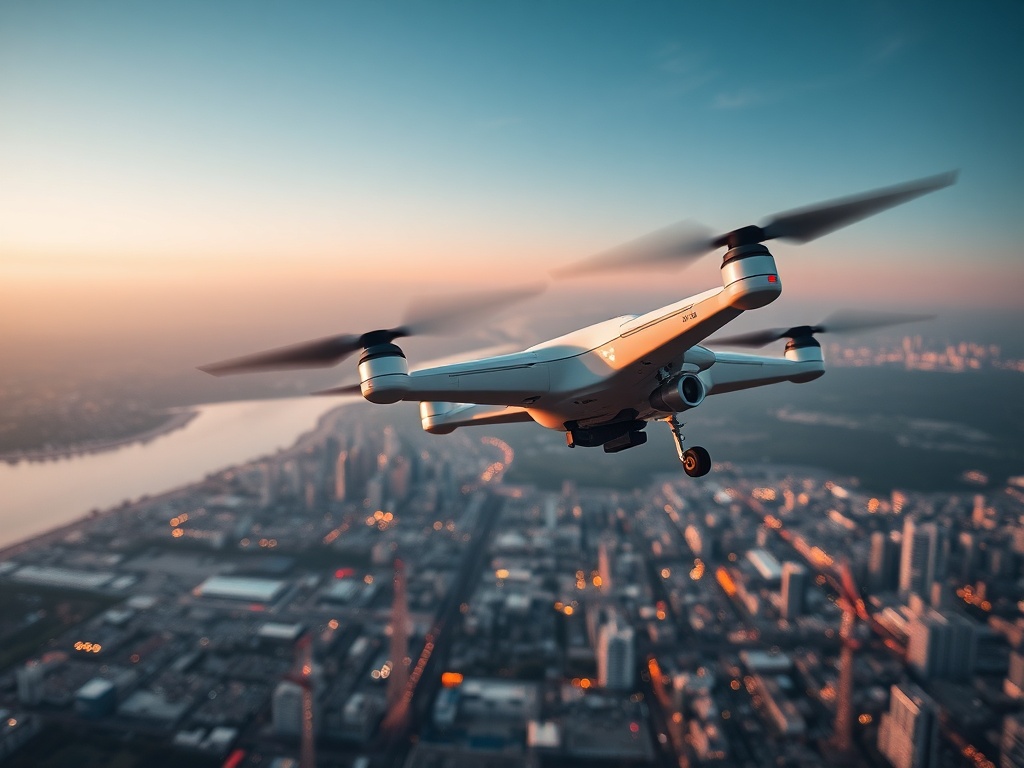
– Electric and hybrid-electric aircraft, along with urban air mobility (eVTOL) prototypes, are moving from concept to real-world testing. These platforms promise quieter flights and shorter point-to-point trips for urban and regional travel once regulatory and infrastructure hurdles are resolved.
– Passenger processing is getting faster thanks to biometrics, touchless boarding, and enhanced mobile services. Faster bag-drop, automated security lanes, and digital health or travel documentation reduce friction through the airport.
– Airframe and cabin designs now prioritize energy efficiency and passenger experience. Expect quieter cabins, improved ventilation with HEPA filtration, and more attention to space and ergonomics on new aircraft types.
Practical tips for smarter travel
Pack light and strategic
– Choose a versatile carry-on that fits airline sizers and has easy-access pockets for travel documents and valuables.
– Use packing cubes and a small toiletry bag to simplify security checks and speed up arrivals.
Move through the airport faster
– Enroll in trusted traveler programs or airline frequent-flyer tiers that offer expedited security and dedicated check-in lanes.
– Check in online, download your boarding pass, and use mobile notifications for gate changes to avoid last-minute stress.
Sleep, hydration, and jet lag
– Prioritize hydration before and during the flight; cabin air can be dehydrating.
Bring an empty refillable bottle to fill after security.
– For better rest on long flights, choose a window seat to lean against and bring a compact travel pillow and eye mask.
Consider short naps timed to your destination’s nighttime to adjust your body clock faster.
– Move regularly: simple stretching and walking reduce stiffness and improve circulation on longer trips.
Health and safety basics
– HEPA filtration removes most airborne particles, and modern aircraft circulate cabin air frequently. Still, keeping hand sanitizer and disinfectant wipes handy for tray tables and touchpoints is practical.
– If you have specific medical or mobility needs, notify the airline in advance to arrange seating, assistance, or oxygen if required.
Sustainable choices you can make
– Opt for non-stop flights when possible; takeoffs and landings account for a significant share of a trip’s emissions.
– Choose airlines transparent about their sustainability efforts and those offering SAF options or carbon-reduction commitments.
– Consider carbon offset programs but select verified options that invest in measurable projects like reforestation, renewable energy, or improved cookstoves.
What to expect next
Travel will continue to become more seamless, sustainable, and passenger-focused. Technology and new propulsion systems will gradually reshape routes and city connectivity, while airports evolve into smarter transport hubs.
For now, a mix of mindful packing, savvy use of digital tools, and simple health habits delivers the biggest gains in comfort and efficiency when flying.
Adopt a few of these practices on your next trip, and flying will feel less like a chore and more like a well-managed part of the journey.