Why Portugal Is the Ultimate Destination for Travelers, Digital Nomads and Food Lovers
Why Portugal keeps drawing travelers, remote workers and food lovers
Portugal blends sun-soaked coastlines, historic cities and a growing reputation for sustainable living. Whether seeking a weekend getaway, a longer seasonal stay, or culinary discoveries, Portugal offers a mix of accessible cities, dramatic landscapes and an easy pace of life.
Highlights to explore
– Lisbon: Europe’s hilly capital delivers colorful neighborhoods, tram-lined streets and viewpoints overlooking the Tagus. Neighborhoods like Alfama and Belém reward wandering on foot; trendy dining and co-working hubs cluster around Chiado and Cais do Sodré.
– Porto and the Douro Valley: Porto’s riverside charm and historic wine cellars make it a top stop. Nearby Douro offers terraced vineyards, scenic drives and intimate wine estates.
– Algarve and surf coasts: Golden beaches and limestone cliffs define the south. The Algarve is a magnet for beach lovers; Ericeira and Nazaré are internationally renowned for surfing.
– Islands: The Azores and Madeira offer dramatic volcanic scenery, whale watching and world-class hiking, ideal for nature-focused itineraries.
Why it’s popular for long stays and remote work
Portugal combines reliable internet, an affordable lifestyle compared with many Western European capitals, and an inviting visa ecosystem for digital nomads and retirees. Cities provide a growing network of co-working spaces, coffee shops that welcome laptops, and community meetups for tech and creative professionals. Public transport in urban areas is efficient, while short domestic flights and fast trains make regional exploration simple.
Sustainable tourism and green efforts
Sustainability is increasingly central to tourism and infrastructure.
Coastal conservation, renewable energy investments and eco-friendly lodging options are rising priorities for local governments and businesses. Travelers can support this shift by choosing certified eco-hotels, local produce and low-impact activities like hiking and cycling.
Culinary scene and wine
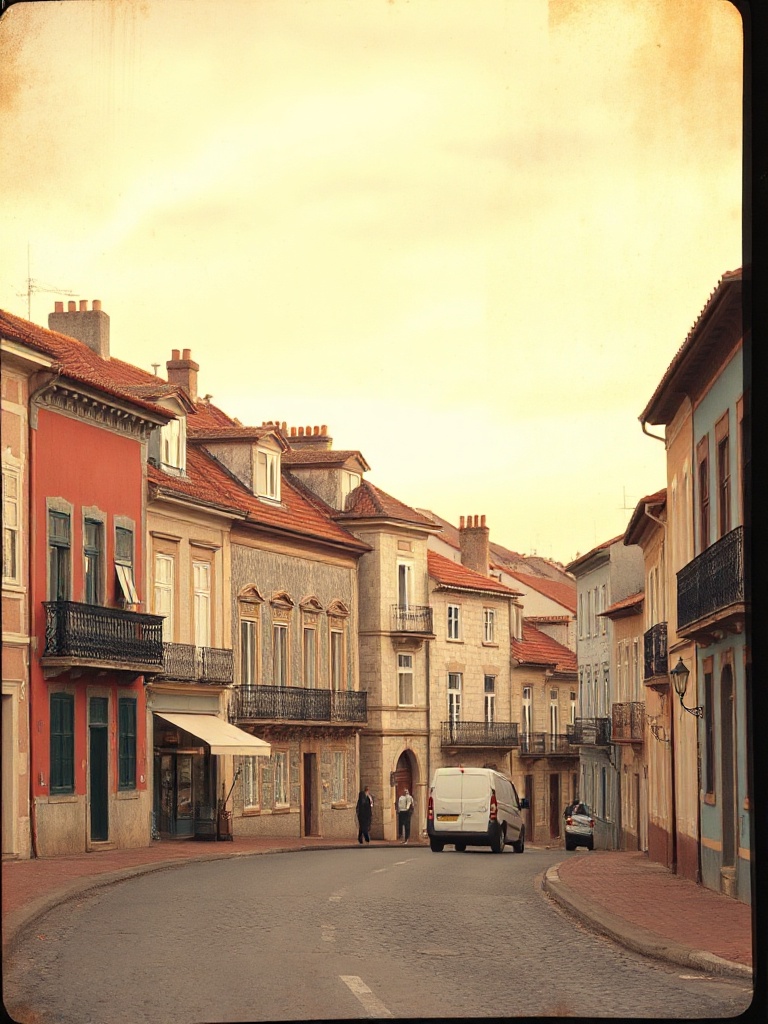
Portuguese cuisine is regionally diverse and rooted in fresh seafood, olive oil and seasonal produce. Must-try items include pastéis de nata (custard tarts), regional seafood stews, and regional cheeses. Wine lovers will find a wide range of styles from light vinho verde to robust port, plus exciting, smaller producers across the mainland and islands.
Practical tips for first-time visitors
– Language: Portuguese is the national language; English is widely spoken in tourist hubs but learning a few phrases is appreciated.
– Transportation: Trains and buses connect cities and towns well; renting a car is useful for rural exploration. Ride-hailing apps and trams cover urban mobility.
– Money and costs: Portugal uses the euro and card payments are common. Prices vary by region—Lisbon and the Algarve trend higher, while inland and northern areas are more budget-friendly.
– Cultural etiquette: Friendly interactions often include a brief handshake or cheek kisses among acquaintances.
Dining tends to be relaxed—mealtimes are social.
Planning and safety
Portugal is generally safe and traveler-friendly. For longer stays, consult official sources about residency options, healthcare access and tax considerations. Staying flexible and booking key accommodations and transport ahead will help make the most of popular seasons.
Portugal’s appeal endures because it balances relaxed lifestyle, cultural richness and modern conveniences. For anyone seeking scenic adventures, quality food and welcoming cities with growing creative communities, Portugal remains an attractive destination to explore and enjoy.