Island Ecosystems Explained: Biodiversity, Threats, and Practical Paths to Resilience
Islands are natural laboratories of life, culture, and adaptation. Their isolation creates conditions for extraordinary biodiversity and distinctive human traditions, but it also makes island environments uniquely vulnerable. Understanding how islands function and what keeps them healthy is essential for anyone who cares about nature, travel, or climate resilience.
What makes island ecosystems special
Isolation drives evolution. Many islands host endemic species found nowhere else, from tiny insects to sprawling trees and flightless birds. Limited land area and unique microclimates produce high levels of specialization, creating ecosystems with intricate, tightly balanced relationships. Coastal and marine habitats—mangroves, seagrass beds, and coral reefs—multiply an island’s ecological value by supporting fisheries, buffering storms, and storing carbon.
Key pressures on islands
– Invasive species: Non-native predators, plants, and pathogens can rapidly destabilize island ecosystems, often leading to extinctions of endemic species that evolved without such threats.
– Climate change and sea level rise: Low-lying islands face shoreline erosion, saltwater intrusion, and more intense storms, which can damage freshwater supplies, agriculture, and infrastructure.
– Overfishing and habitat loss: Unsustainable fishing practices and coastal development degrade marine habitats and reduce fish stocks that local communities rely on.
– Tourism impacts: While tourism provides crucial income, poorly managed visitor flows and development can strain water resources, produce waste, and damage fragile habitats.
Paths to resilience
Many islands are showing inventive ways to balance conservation, livelihood, and resilience. Successful approaches often combine traditional knowledge with modern science and policy:
– Marine protected areas (MPAs): Well-designed MPAs allow ecosystems and fish populations to recover, supporting long-term fisheries and tourism benefits. When local communities co-manage MPAs, compliance and outcomes improve.
– Invasive species control and restoration: Targeted eradication of invasive mammals, coupled with native habitat restoration, has returned islands to healthier ecological baselines and enabled threatened species to recover.
– Renewable energy and microgrids: Shifting from imported fossil fuels to solar, wind, and battery storage reduces costs, cuts emissions, and enhances energy security for remote island communities.
– Nature-based coastal defenses: Restoring mangroves, dunes, and coral reefs offers cost-effective protection against storms and erosion while providing habitat and livelihoods.
Responsible island travel
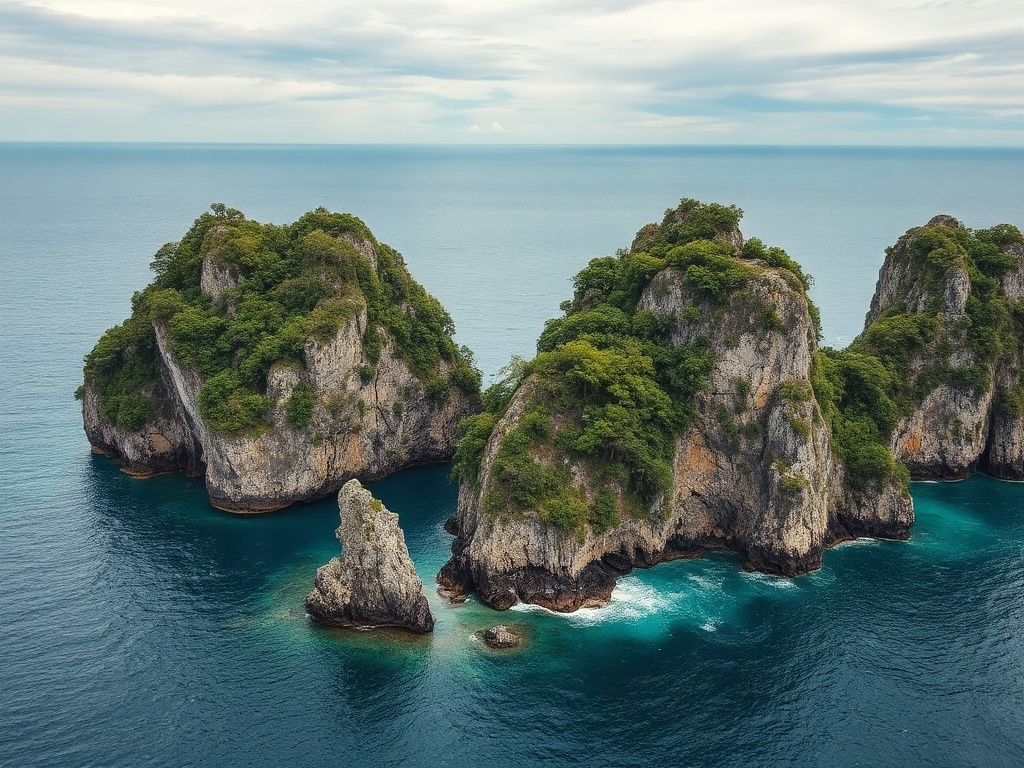
Tourists can help rather than harm by choosing responsible options and following a few simple practices:
– Respect local cultures and customs; buy local goods and services to support community economies.
– Avoid single-use plastics; carry a reusable water bottle and refuse unnecessary packaging.
– Use reef-safe sunscreen and avoid touching or stepping on coral.
– Stay on marked trails, and don’t remove shells, plants, or cultural artifacts.
– Choose operators with clear conservation policies and low-impact practices.
Why islands matter
Islands concentrate biodiversity, cultural heritage, and climate challenges in ways that make them early indicators of broader environmental trends. Protecting islands safeguards rare species, supports coastal fisheries, and preserves irreplaceable cultural landscapes. With thoughtful planning, community leadership, and wider support for sustainable practices, islands can remain vibrant places for both people and nature.
Practical support for island futures
Policy makers, businesses, and travelers can all contribute: support local conservation initiatives, prioritize sustainable infrastructure, and adopt low-impact tourism habits. Small choices add up, and islands—resilient by nature—respond well when people invest in long-term stewardship.